
Counting the waves…
Counting the waves…

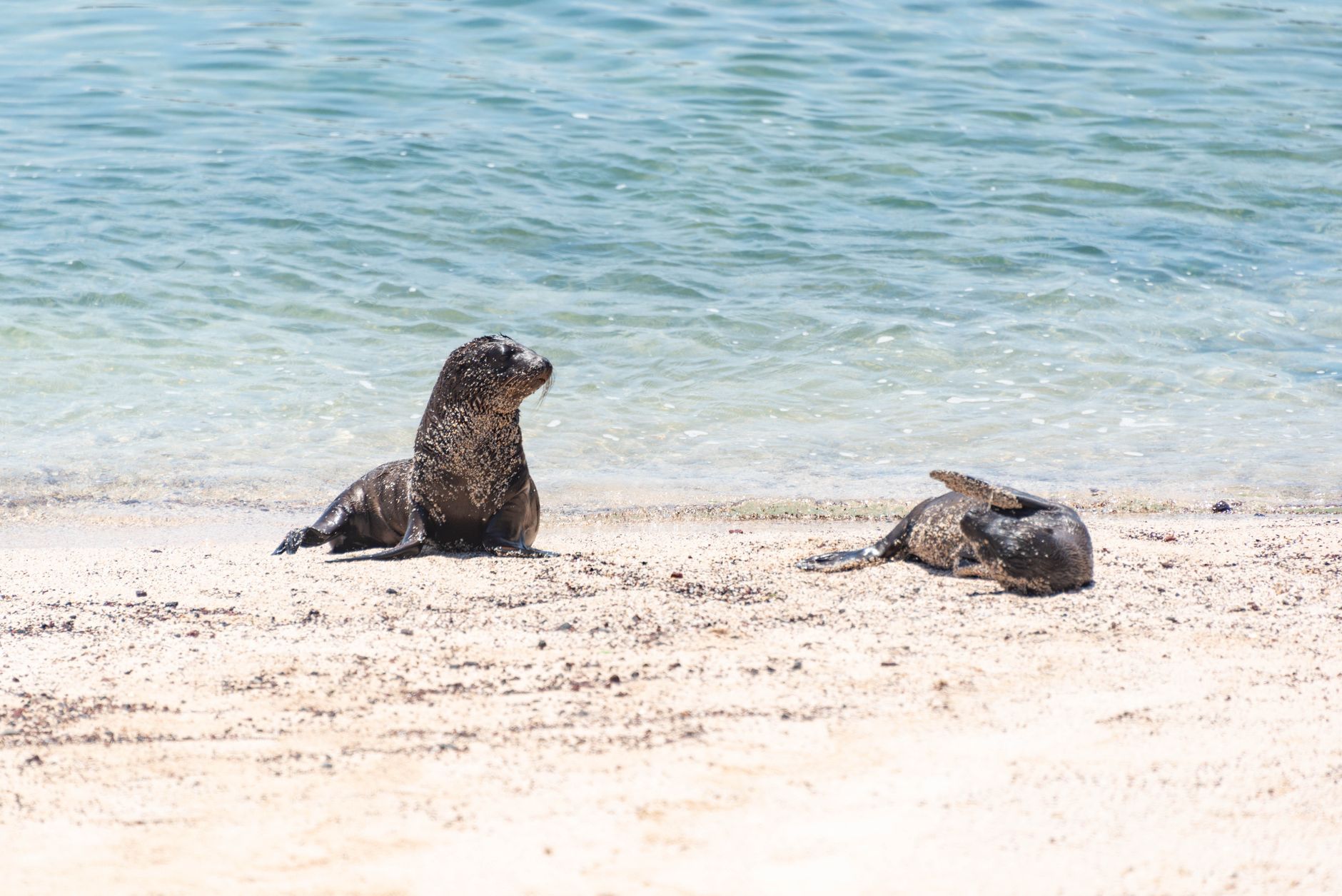
You reach Isla Conejo at half-tide, when the beach is widest and the boat can approach within wading distance. The island rises barely three meters above high water, a knuckle of basalt mantled with tussock grass and bird guano. The beach circles the island in an irregular ring, composed mainly of shell hash and pebbles no larger than a thumbnail. At high tide, waves wash over most of what you're standing on, leaving only the central hump above water. The impermanence shapes everything here. No driftwood accumulates because nothing stays put long enough. Seabirds use the rocks but don't nest—there's no guarantee the nests would survive the next spring tide. Even the kelp seems tentative, anchoring to the island's submerged flanks but never committing fully. You walk the beach quickly, knowing the tide has already turned and will reclaim your footprints within hours. From Isla Conejo you can see the full sweep of the Beagle Channel in both directions, the Chilean shore to the south, Argentine islands scattered east and west. Clouds pour over the Darwin Range and dissolve into the channel's cold air, and the water shifts from slate to silver as sun breaks through and vanishes. The boat captain signals—you've had your fifteen minutes. You wade back through water cold enough to ache, carrying nothing but the memory of a beach that will be gone, then back, then gone again with the moon's pull.
Places, rentals, tours and events within walking and driving distance of Playa Isla Conejo.
Photos
Swimming is extremely dangerous and strongly discouraged. Beagle Channel waters maintain life-threatening temperatures of 4-9°C (39-48°F) throughout the year, causing hypothermia within minutes of immersion. The remote small-island location means rescue services are hours away in ideal conditions. Strong currents, sudden weather changes, and the absence of any nearby help make water activities exceptionally risky. Even experienced cold-water swimmers should avoid entering. The beach's value lies in exploration, wildlife observation, and experiencing pristine Patagonian wilderness from the safety of shore.
Target the austral summer months of December through February for optimal conditions. These months bring the warmest temperatures of 10-15°C (50-59°F), longest daylight hours, and relatively calmer Beagle Channel seas. Weather remains unpredictable but is generally more stable than other seasons. November and March offer alternatives with fewer tourists but more variable conditions and cooler temperatures. Avoid winter entirely (June-August) due to extreme cold, very short days, and hazardous seas that make boat access nearly impossible. Summer also provides the best opportunities for observing marine wildlife and seabirds.
This remote beach requires dedicated boat transport from Ushuaia, arranged through private charter or specialized expedition operators. Standard Beagle Channel tours don't typically visit this small island, so you'll need operators offering custom or extended itineraries into less-traveled channel waters. Travel time varies depending on weather, sea conditions, and specific routes chosen. Cancellations due to weather are common, so build schedule flexibility. Confirm your operator has proper local knowledge, safety equipment, and permissions for landing on protected island beaches in these Argentine waters.
This uninhabited small island offers absolutely no facilities or services. Visitors must bring complete provisions from Ushuaia, including food, water, warm drinks, and all necessary supplies. Most travelers visit on day trips, packing lunches and snacks. All rubbish must be carried back to the mainland following environmental protection principles. Ushuaia, several hours away by boat depending on conditions, provides full accommodation ranging from hostels to hotels. Some expedition cruises include this area in multi-day itineraries with onboard sleeping and dining facilities. Always prepare for self-sufficiency and changing weather.
The beach's remote location in Argentine Beagle Channel waters places it far from standard tourist circuits, offering exceptional solitude and pristine wilderness conditions. Its small-island setting creates an intimate, untouched atmosphere rarely found near more accessible beaches. The surrounding waters and geography differ from heavily visited sites, potentially offering distinct wildlife encounters and photographic opportunities. The genuine remoteness appeals to adventurous travelers seeking authentic exploration experiences beyond conventional tourism. Visiting requires commitment and proper planning, making it a destination for those who value wilderness character and are willing to undertake serious expedition efforts.