Counting the waves…
Counting the waves…

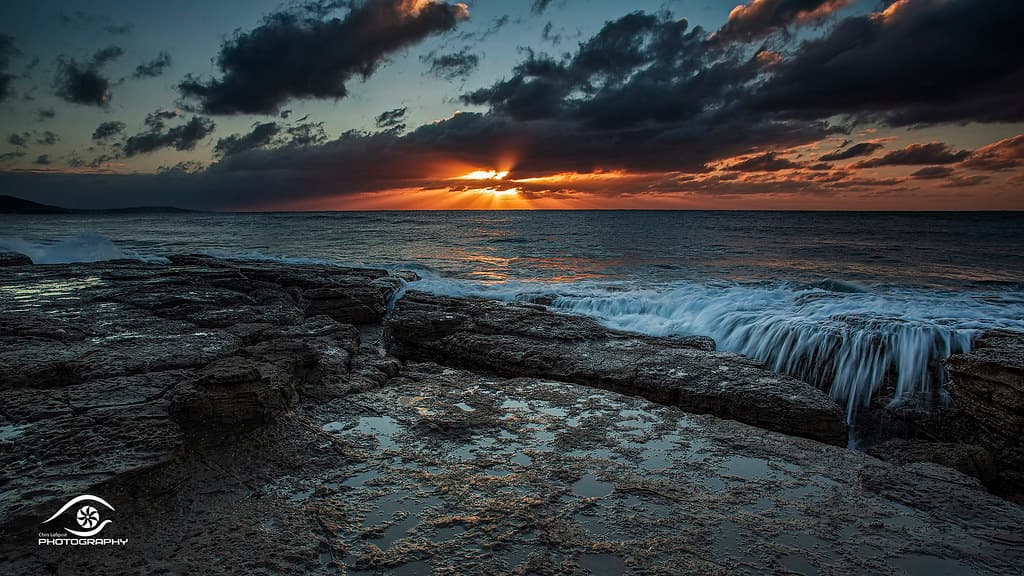
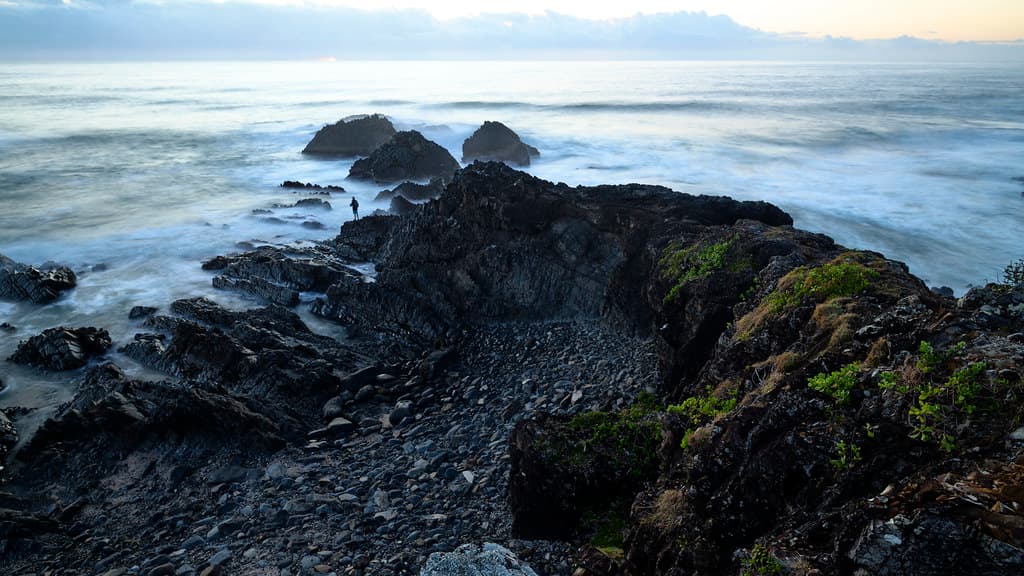
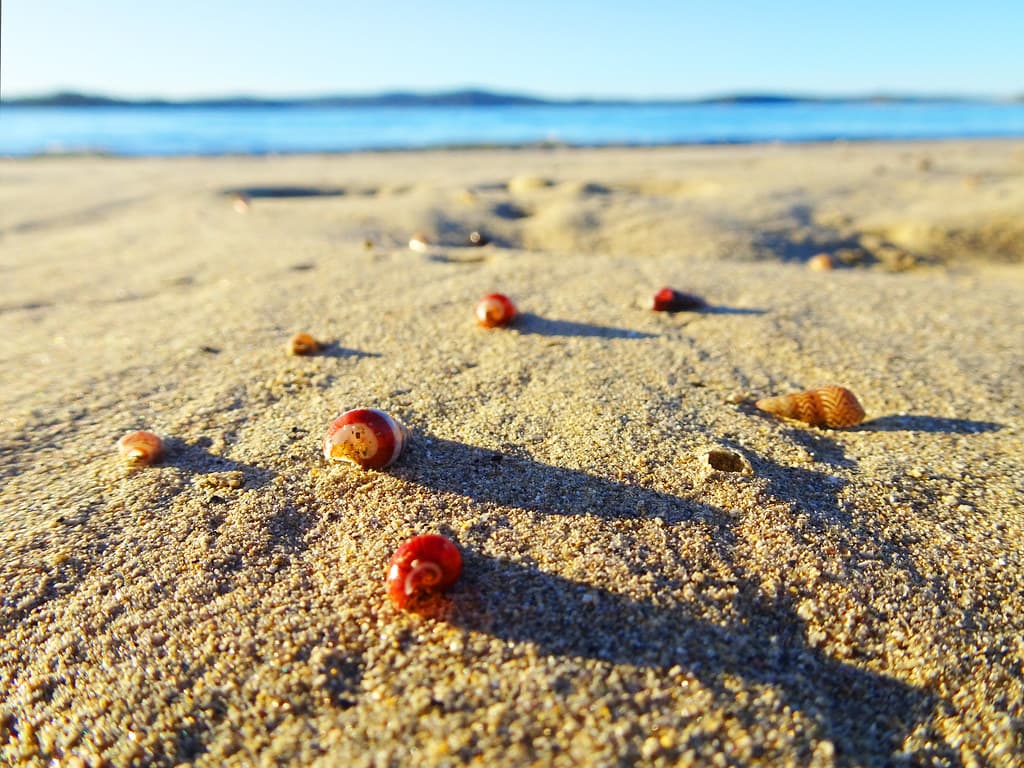
The path from the car park drops you onto coarse sand scattered with kelp ribbons and smooth river stones. To your left, the northern headland rises in layers of rust and charcoal, its fractured face pocked with sea caves. To your right, the southern point juts into foam, creating the clean right-hander that brings locals back session after session. The beach curves for roughly four hundred meters, wide enough that families stake umbrellas near the rock pools while surfers paddle out through the channel. When the tide retreats, the platform at the southern end becomes a maze of shallow basins filled with Neptune's necklace, crimson anemones, and the occasional blue groper. You'll need reef shoes—the basalt is sharp and slick with algae. Bring a bucket if you're traveling with kids; hermit crabs scuttle between the crevices, and starfish cling to the underside of boulders. The beach faces southeast, fully exposed to the swells that march up from Antarctica. On big days, the shore dump can pin you to the sand. On calmer mornings, the water turns jade-green near the rocks, and you can bodysurf the inside breaks without fighting the current. The clifftop walk north toward Australia Rock offers the best vantage point—you'll see the full sweep of the bay, the white lines of swell marching in, and on clear days, Montague Island sitting low on the horizon.
Places, rentals, tours and events within walking and driving distance of Bar Beach.
Photos
Bar Beach is primarily known as a surf beach with generally stronger waves and currents, making it more suitable for experienced swimmers and surfers. The beach is unpatrolled, so you should exercise caution and avoid swimming alone. Rock pools at either end of the beach offer calmer options for families during low tide. Always check current conditions before entering the water, be aware of rips, and consider swimming at nearby patrolled beaches like Narooma Main Beach if you're less confident in the ocean.
Bar Beach is accessible year-round, with each season offering different appeal. Summer (December-February) brings warm weather ideal for swimming and rock pool exploration, though it can be busier. Autumn and spring offer milder temperatures with good surf conditions and fewer crowds. Winter provides excellent whale watching opportunities from the clifftops (June-November) and dramatic ocean scenery. Early mornings generally offer the calmest conditions and best light for photography. The beach faces southeast, so consider wind direction when planning your visit for surfing or swimming.
Bar Beach has a dedicated car park located at the end of Bar Beach Avenue, directly adjacent to the beach. The parking area is free and relatively small, so it can fill quickly during peak summer periods and weekends. From the car park, it's just a short walk down to the sand. The beach is approximately 2 kilometres south of Narooma's town centre, easily accessible by car via the Princes Highway. Street parking is also available along Bar Beach Avenue if the main car park is full.
Bar Beach itself has no commercial facilities directly on site, but Narooma town centre is only 2 kilometres away and offers numerous cafes, restaurants, and takeaway options serving fresh seafood and Australian cuisine. You'll find supermarkets, bakeries, and coffee shops within a short drive. Several accommodation options are available in Narooma, ranging from motels and holiday parks to apartments and B&Bs. For beachside dining, you'll need to head into town. It's advisable to bring your own food, water, and shade for a full day at Bar Beach.
Bar Beach features natural rock pools at both the northern and southern ends, formed by the dramatic rocky headlands that frame the beach. These pools are particularly popular with families and are best explored during low tide when they're most accessible and reveal diverse marine life including small fish, crabs, and sea anemones. The surrounding cliffs provide scenic coastal views and some shelter from wind. Always wear appropriate footwear as rocks can be slippery, check tide times before exploring, and never turn your back on the ocean when near the rocks.