Counting the waves…
Counting the waves…

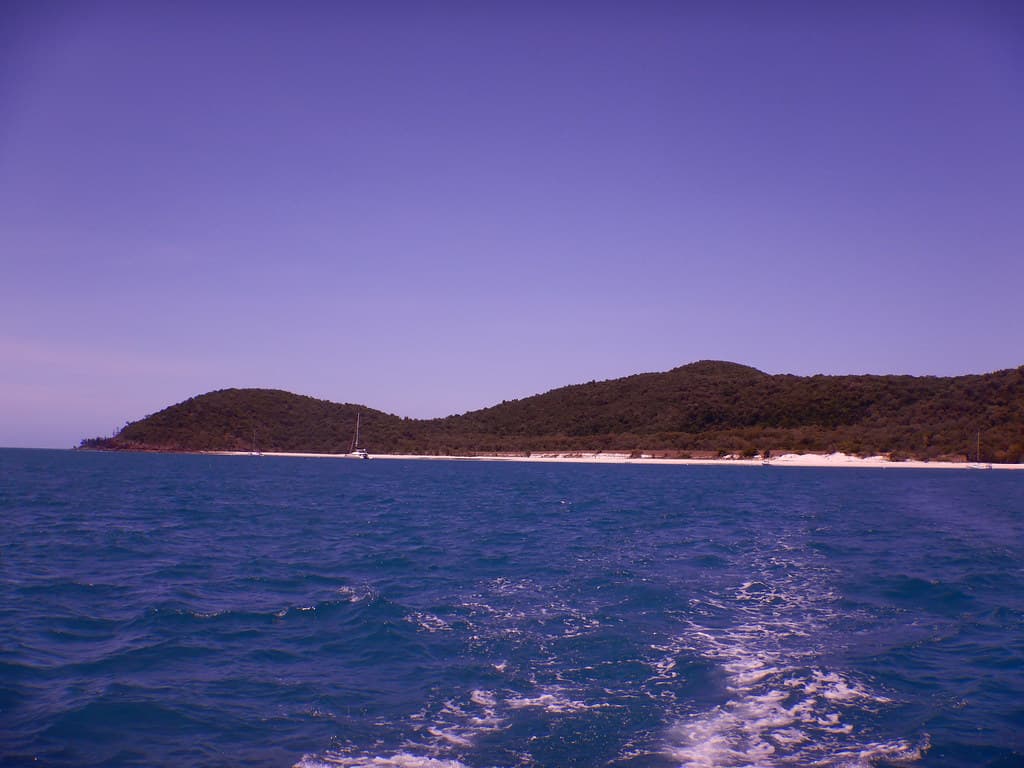
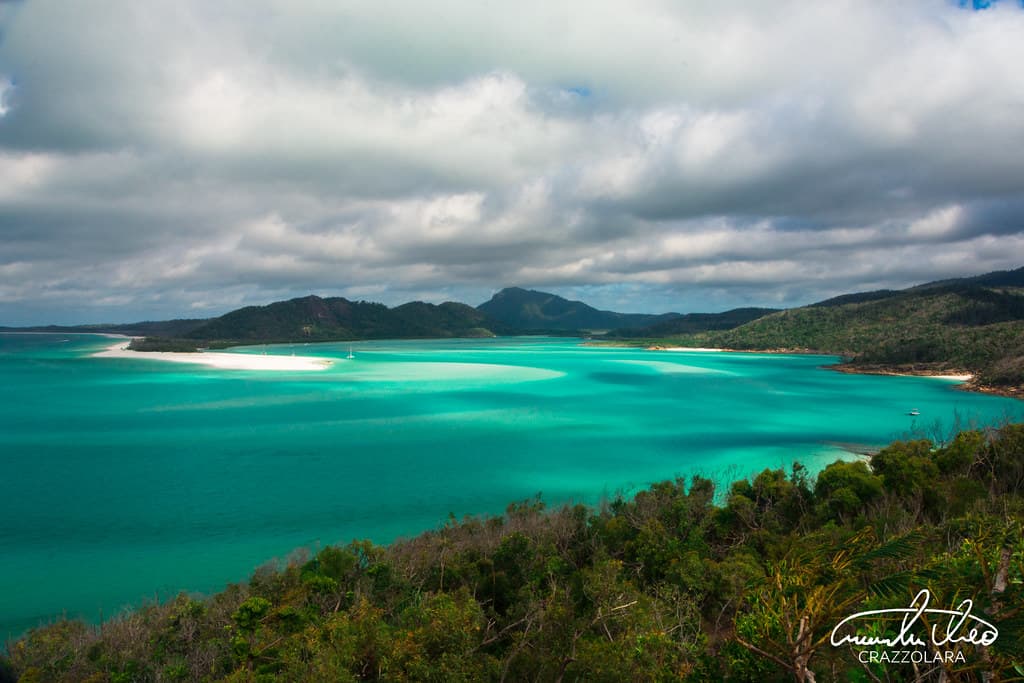
Chance Bay sits on Whitsunday Island's less-traveled western shore, a pocket of sand and eucalyptus scent that rewards those who venture beyond Whitehaven. The trail from Hill Inlet or Betty's Beach winds through dry forest where wallabies occasionally cross your path, branches overhead filtering the Queensland sun into dappled coins of light. When the canopy opens, the bay spreads before you—a shallow arc fringed by she-oaks that rustle in the afternoon breeze. The water here is bathwater-warm most months, gentle enough that you can wade far from shore before it reaches your waist. Snorkelers drift along the northern rocks where parrotfish graze and small wrasse dart between coral bommies. There's no café, no sunbed rental—just the rhythmic whisper of waves and the occasional yacht swinging at anchor. You'll likely share the sand with only a handful of others, perhaps a couple who've kayaked over from Tongue Bay or sailors who've rowed their tender ashore. By late afternoon, when the sun angles low and gilds the headlands, the bay takes on an amber glow. Pack out everything you bring; the island's national park status means what arrives with you leaves with you, preserving this slice of the Whitsundays exactly as you found it.
Places, rentals, tours and events within walking and driving distance of Chance Bay.
Photos
Swimming conditions at Chance Bay vary with weather and tides. The bay is generally sheltered, offering calmer waters than exposed ocean beaches, but currents can occur. During October to May, marine stingers (jellyfish) are present in Whitsunday waters, so wearing a stinger suit is strongly recommended. There are no lifeguards or safety nets at this remote location. Always check weather forecasts before visiting, avoid swimming alone, and be mindful of boat traffic if arriving during popular times. The sandy bottom is typically gentle for wading.
Chance Bay can be visited year-round, with each season offering different advantages. The dry season (May to September) brings pleasant temperatures, lower humidity, and minimal rainfall, making it ideal for beach activities and hiking. While marine stingers are less prevalent during these months, wearing protection is still wise. The wet season (October to April) offers warmer water and lush surroundings but higher stinger risk and occasional tropical storms. Shoulder seasons (April-May and September-October) balance good weather with fewer crowds than peak winter months.
Chance Bay is accessible only by boat or walking track, as Whitsunday Island has no roads or vehicle access. Most visitors arrive via tour boats, private charters, or bareboat rentals departing from Airlie Beach or Hamilton Island. Some operators offer day trips with beach stops. Alternatively, experienced hikers can trek from other Whitsunday Island locations, though trails can be challenging and require preparation. There is no parking, as the island is uninhabited. Plan your visit with return transport arranged, as there are no services to call from the beach.
Chance Bay has no facilities, amenities, or food services whatsoever. This is a completely undeveloped, remote beach with no toilets, showers, freshwater, shelter, or vendors. Visitors must bring all supplies including drinking water, food, sun protection, and any equipment needed. Pack out all rubbish, as there are no bins. The nearest accommodation and dining options are on nearby Hamilton Island or back at Airlie Beach on the mainland. Most visitors come as part of day tours that provide provisions, or camp at designated areas elsewhere on Whitsunday Island.
While both beaches are on Whitsunday Island, they offer different experiences. Whitehaven Beach is the region's most famous beach, spanning seven kilometers with brilliant white silica sand and receiving hundreds of daily visitors. Chance Bay is smaller, quieter, and far less crowded, appealing to those seeking a more secluded experience. The sand is beautiful but not the same pure silica composition as Whitehaven. Fewer tours stop at Chance Bay, making it ideal for couples or travelers wanting peaceful surroundings. Both require boat access and lack facilities.