Counting the waves…
Counting the waves…

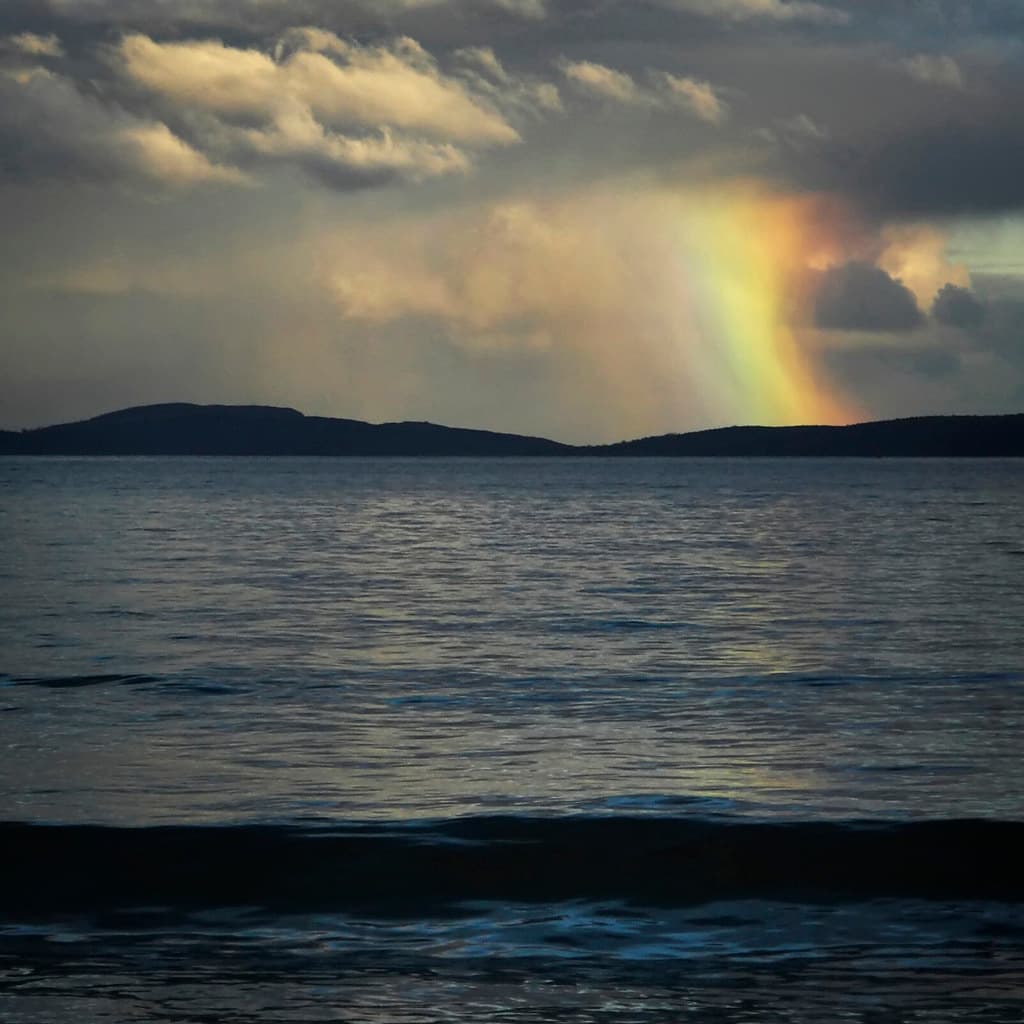
You step onto sand that fronts one of the Southern Hemisphere's most haunting heritage sites. Port Arthur Beach curves beneath the skeletal ruins of the penitentiary, where sandstone walls that once confined convicts now frame your view of the Tasman Sea. Gulls wheel overhead as waves break against foundations laid by prisoners in leg irons, the same surf they would have heard through cell windows. The beach itself stretches in a gentle arc, its sand a pale biscuit color mixed with fragments of kelp and shell. Behind you, the World Heritage-listed Port Arthur Historic Site sprawls across the peninsula—cell blocks, guard towers, and the eerie roofless shell of the church. Before you, the water runs deep green-blue, too cold for most swimmers but hypnotic in its constancy. Tide pools collect between rocks where convicts once quarried stone. You'll find families picnicking on the grass above the sand while their children search for shells, seemingly unfazed by the weight of the place. As afternoon light slants across the bay, the ruins glow honey-gold against the darkening sea. This is where colonial Australia's hardest history meets its most beautiful coastline—a beach that refuses to let you forget, even as it invites you to simply sit and watch the horizon.
Places, rentals, tours and events within walking and driving distance of Port Arthur Beach.
Photos
Port Arthur Beach is generally calm with gentle waves, making it suitable for paddling and wading rather than serious swimming. The water is quite cold year-round, typical of Tasmania's southern coast. There are no lifeguards on duty, so swim at your own risk and supervise children closely. The beach is more popular for scenic walks and photography than swimming. Check local conditions before entering the water, as currents can vary. The nearby historic site offers safer, more structured activities for families.
Port Arthur Beach can be visited year-round, with each season offering different experiences. Summer (December-February) provides the warmest weather, ideal for beach walks and picnics, though temperatures remain mild compared to mainland Australia. Autumn and spring offer fewer crowds and beautiful light for photography. Winter can be dramatic with moody skies perfect for atmospheric photos. The historic Port Arthur site operates daily, so you can combine your beach visit with touring the convict settlement regardless of season. Early morning and late afternoon provide the best lighting.
Port Arthur Beach is located within the Port Arthur Historic Site, approximately 90 minutes' drive southeast of Hobart via the Arthur Highway (A9). There's ample free parking at the Port Arthur Historic Site visitor centre. From the car park, it's a short walk to the beach area. No public transport runs directly to Port Arthur, so a rental car, tour bus, or organized excursion is necessary. The drive itself is scenic, passing through Tasman Peninsula's dramatic coastal landscapes. Allow extra time for photo stops along the route.
The Port Arthur Historic Site has an on-site café and restaurant serving light meals, coffee, and Tasmanian produce. Several accommodation options exist nearby, including the Port Arthur Villas and various bed-and-breakfasts in the surrounding area. The small township of Port Arthur offers a few dining options and a general store. For more extensive choices, the town of Nubeena (20 minutes away) has additional restaurants and supplies. Many visitors base themselves in Hobart and make Port Arthur a day trip, though staying overnight allows you to explore the area more thoroughly.
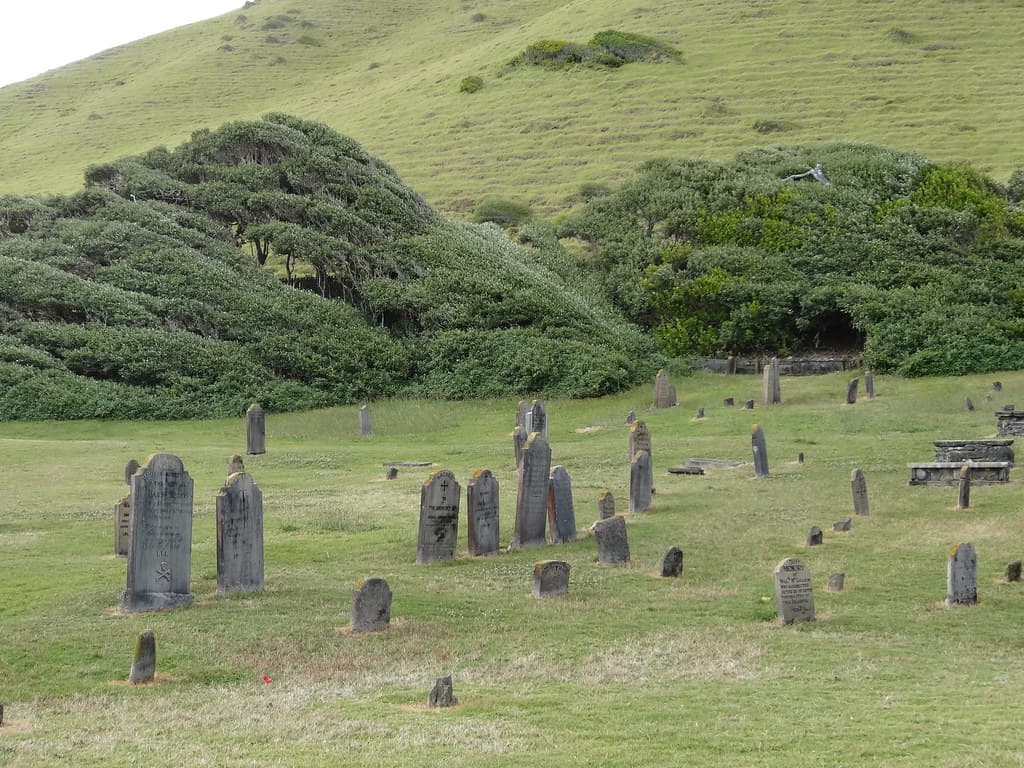
Yes, Port Arthur Beach sits directly adjacent to Australia's most intact convict site, the Port Arthur Historic Site. The beach itself was part of the penal settlement where convicts worked and ships arrived. You can purchase tickets to tour the extensive ruins, including the penitentiary, church, and asylum. Ghost tours run in the evenings for those interested in the site's darker history. The beach provides excellent views of the Isle of the Dead, where convicts and settlers were buried. Combining beach exploration with the historic site offers a complete experience.