Counting the waves…
Counting the waves…

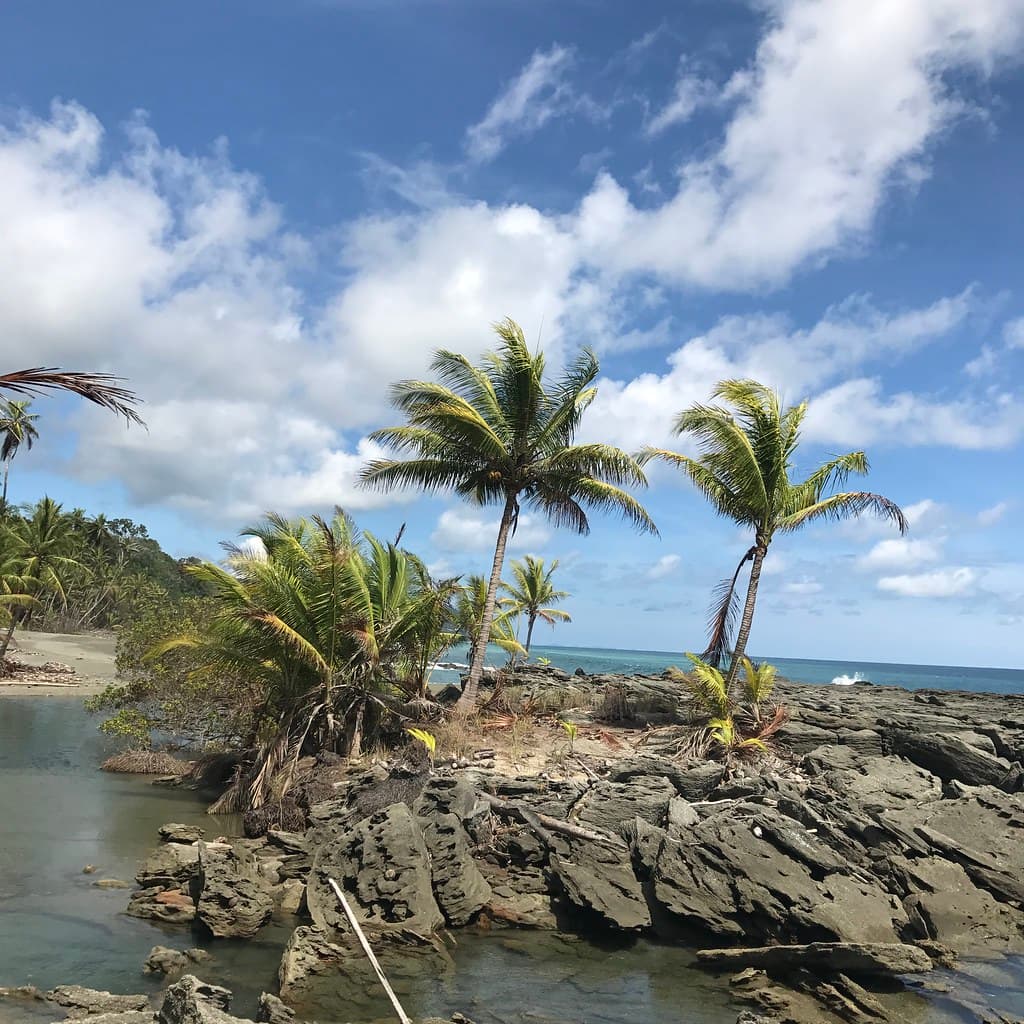
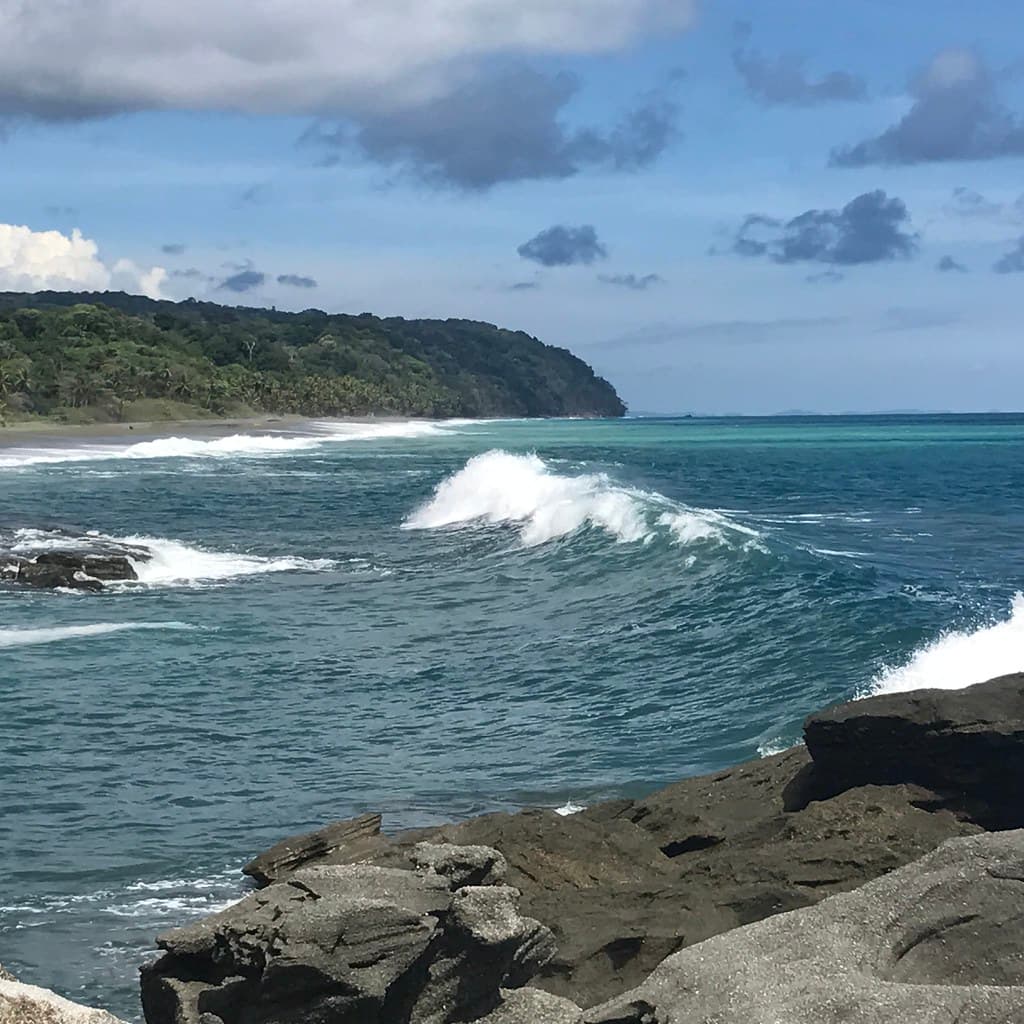
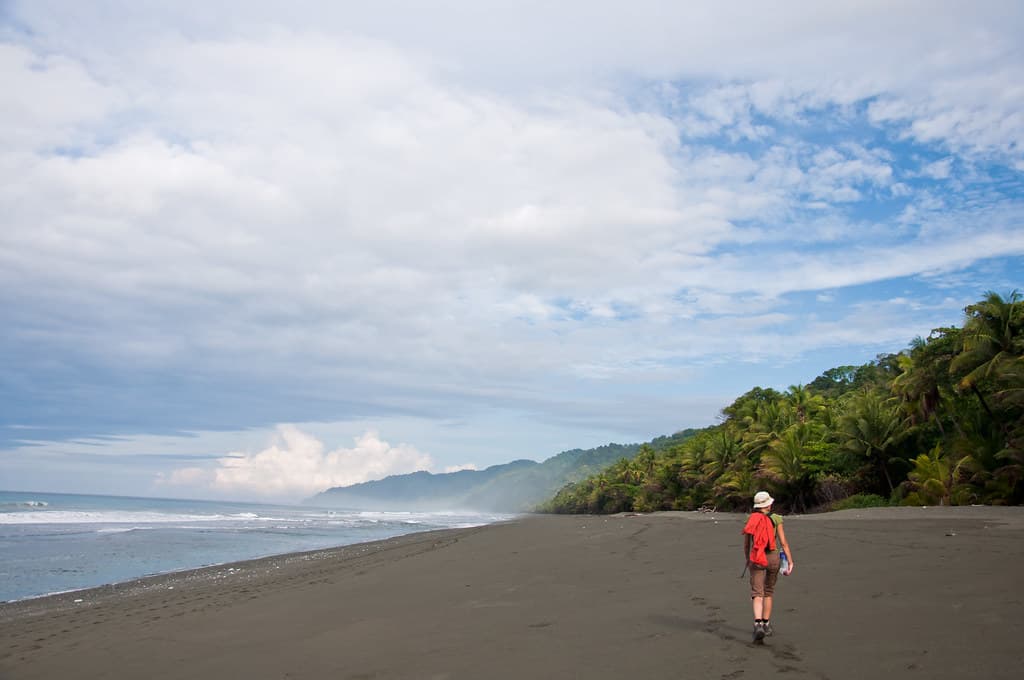
You arrive on foot or horseback, following a rutted track that dissolves into sand just as the jungle thickens into true wilderness. Pejeperro stretches north and south in a muscular arc, backed by a wall of rainforest so dense that monkeys and sloths move through the canopy without ever touching ground. The sand crunches underfoot—a mix of quartz and pulverized shell—and the shorebreak pounds with a rhythm that drowns out thought. This is not a beach for swimming. Rip currents stripe the surf zone, and the undertow has a reputation among locals. Instead, you walk. Miles of uninterrupted strand, scanning the wrack line for nautilus shells, glass floats from distant fisheries, the occasional leatherback nest marked by conservationists. Vultures patrol the tide line; ghost crabs vanish into burrows as your shadow passes. In the distance, Corcovado's ridgeline rises green and impenetrable, a reminder that you're on the edge of something vast and indifferent. Sunset here is a study in minimalism: tangerine light, black sand, the silhouette of a solitary frigatebird hanging motionless on an updraft. You build a small driftwood fire—permitted only below the high-tide mark—and watch sparks rise into the gathering dark. By the time you hike back, the forest has swallowed the last of the daylight, and the trail requires a headlamp and a steady nerve.
Places, rentals, tours and events within walking and driving distance of Playa Pejeperro.
Photos
Swimming at Playa Pejeperro requires caution due to its remote location and typical Pacific coast conditions. The beach can experience strong currents and powerful waves, especially during certain tidal conditions. No lifeguards are present, and help is far away given the wilderness setting. Always assess conditions before entering the water and avoid swimming alone. The beach is better suited for experienced swimmers during calm periods. The isolation is part of its charm, but means you must be self-reliant regarding safety decisions.
December through April offers the best weather with less rainfall and more predictable conditions, though the beach maintains its wild character year-round. The dry season provides easier access along the rough road to Carate. For fewer crowds, visit weekdays or during the shoulder months of November or May. Sunset viewing is spectacular throughout the year, with the beach facing west toward the Pacific. The wet season brings dramatic skies and lush surroundings, but challenging access and more intense weather conditions.
Reaching Playa Pejeperro requires traveling to Carate, one of Costa Rica's most remote coastal areas. From Puerto Jiménez, take the rough 4WD-only road toward Carate, approximately 2-3 hours depending on conditions. The final stretch is particularly challenging and may require high clearance vehicles. From Carate, the beach is accessible by foot. Alternatively, some visitors fly to the nearby Carate airstrip on small charter planes. Always check road conditions before attempting the drive, especially in rainy season.
Carate has extremely limited facilities with only a few rustic eco-lodges and basic cabins in the area. The remote Lookout Inn and similar properties offer meals and accommodation, but advance reservations are essential. There are no restaurants or stores in Carate, so most lodges operate on meal plans. For more options, stay in Puerto Jiménez and make Playa Pejeperro a day trip. If visiting independently, bring all food, water, and supplies as you cannot rely on purchasing anything locally in this wilderness area.
Playa Pejeperro exemplifies the Osa Peninsula's wild frontier character more than almost any other beach. Its extreme remoteness near Carate creates an authentic wilderness experience rarely found on accessible coastlines. The beach serves as a gateway to Corcovado National Park's coastal trails, attracting adventurous travelers. Wildlife sightings including scarlet macaws, monkeys, and other rainforest species are common given the pristine surroundings. The strong wilderness feel, minimal development, and raw natural beauty make it ideal for those seeking true off-the-beaten-path exploration.