Counting the waves…
Counting the waves…

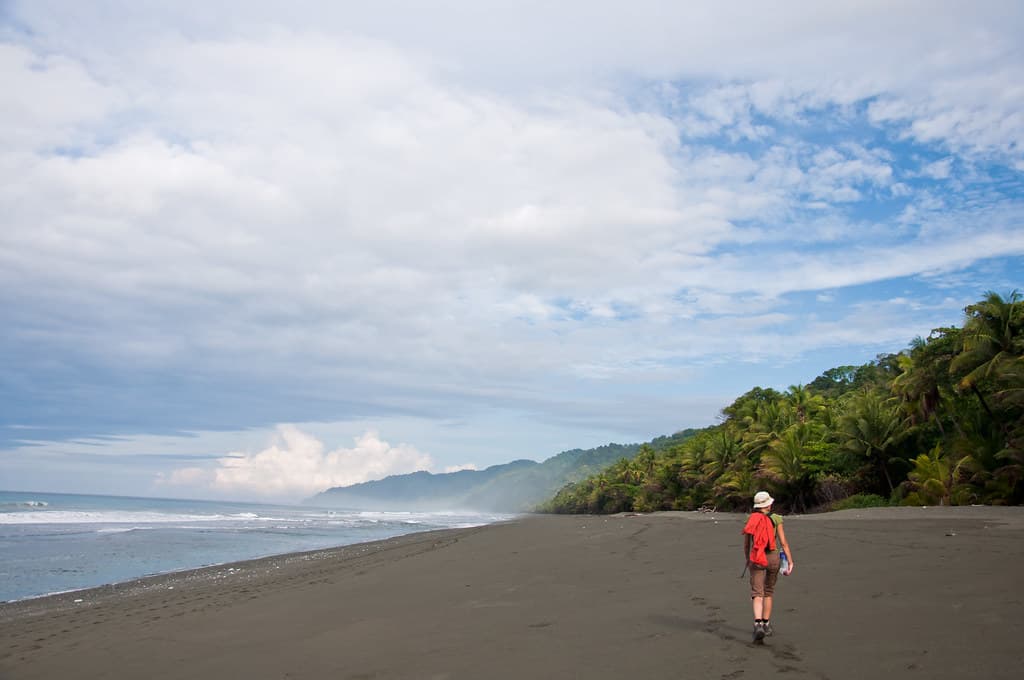
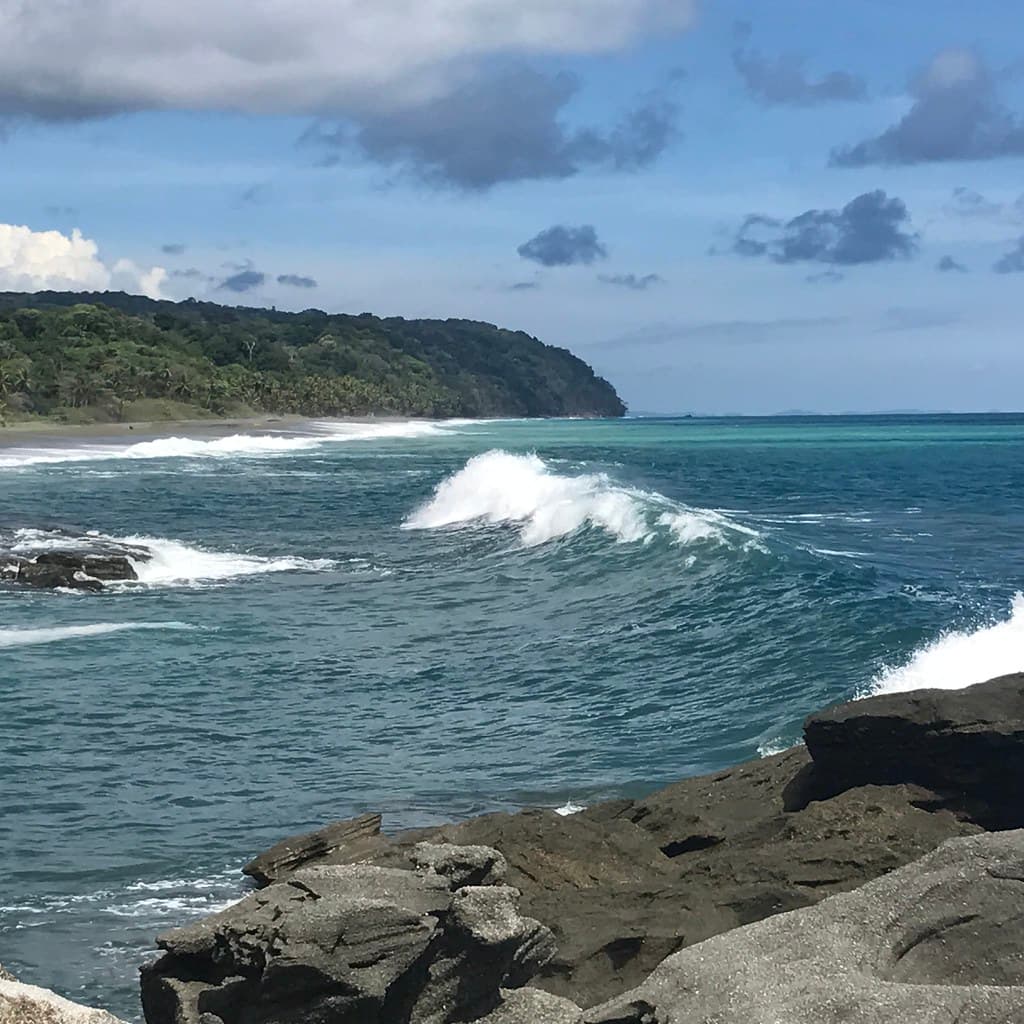
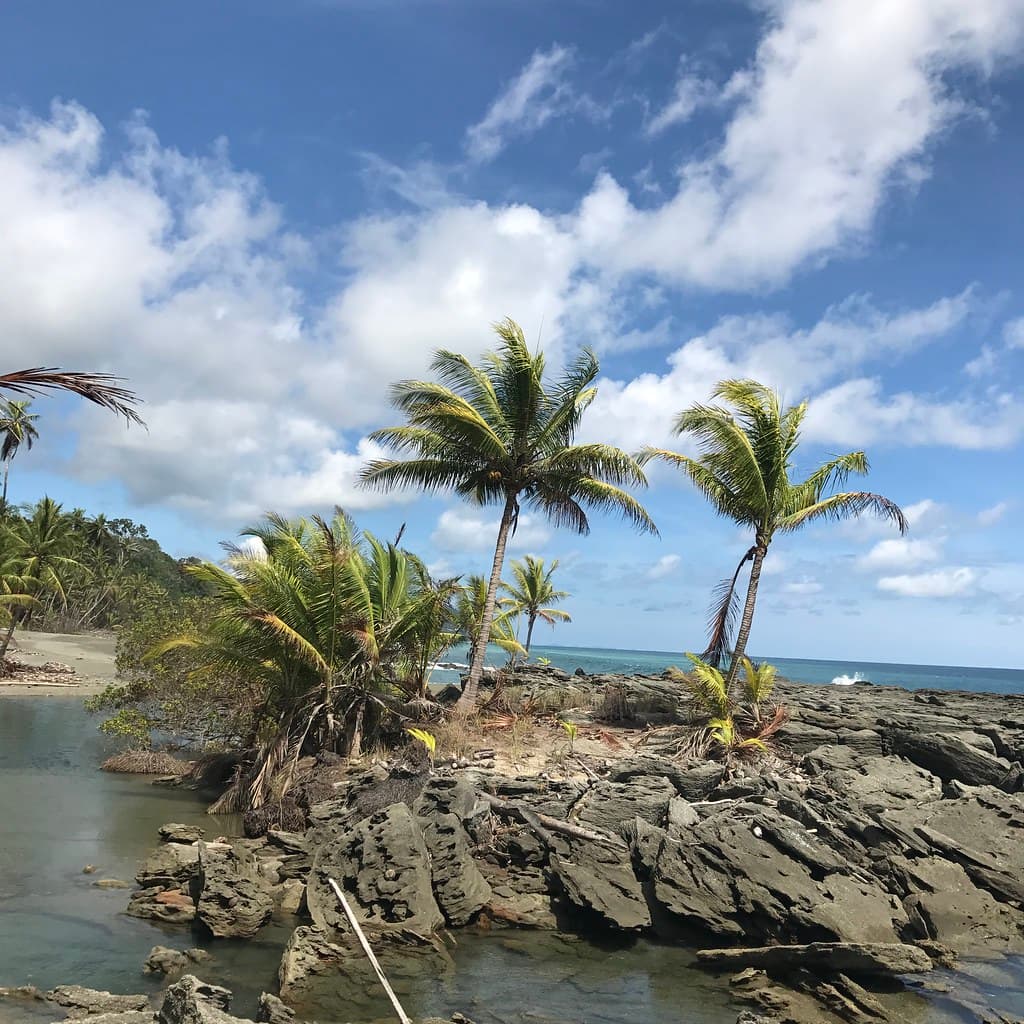
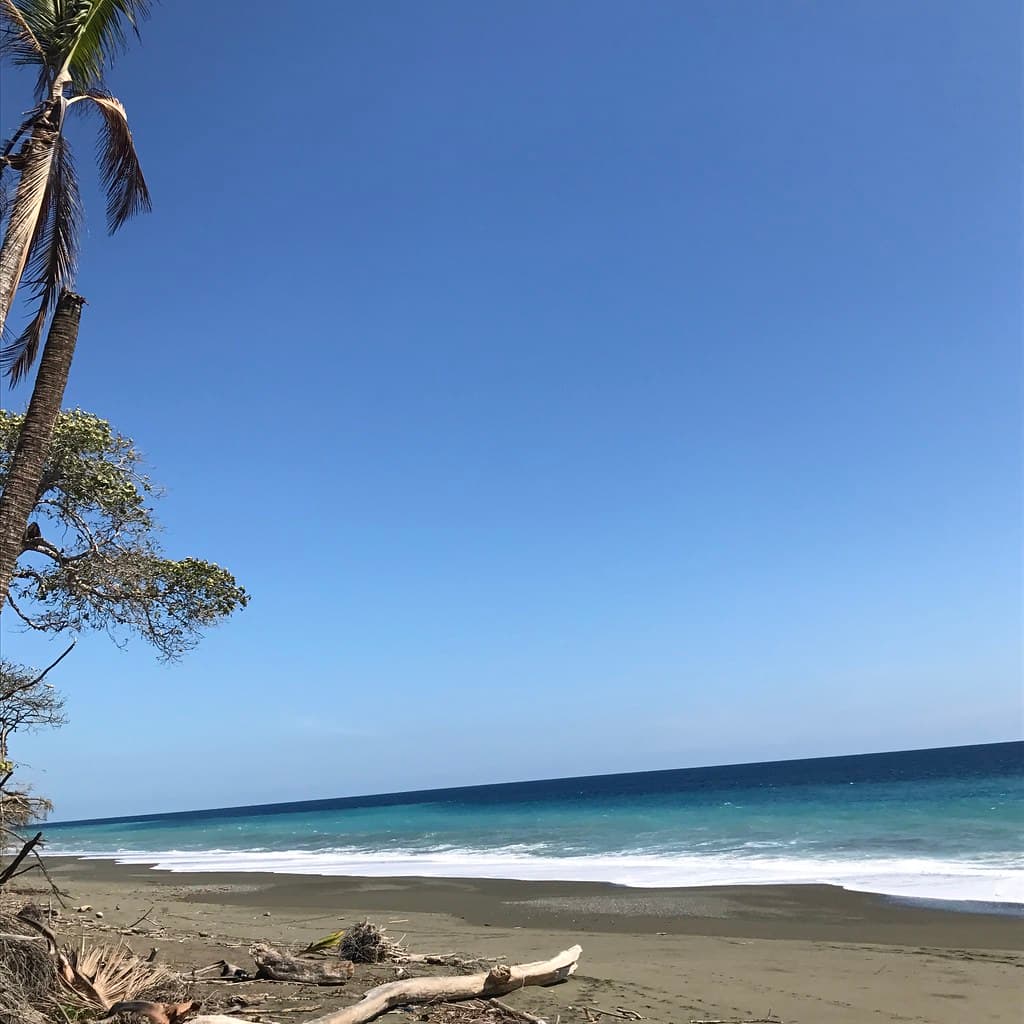
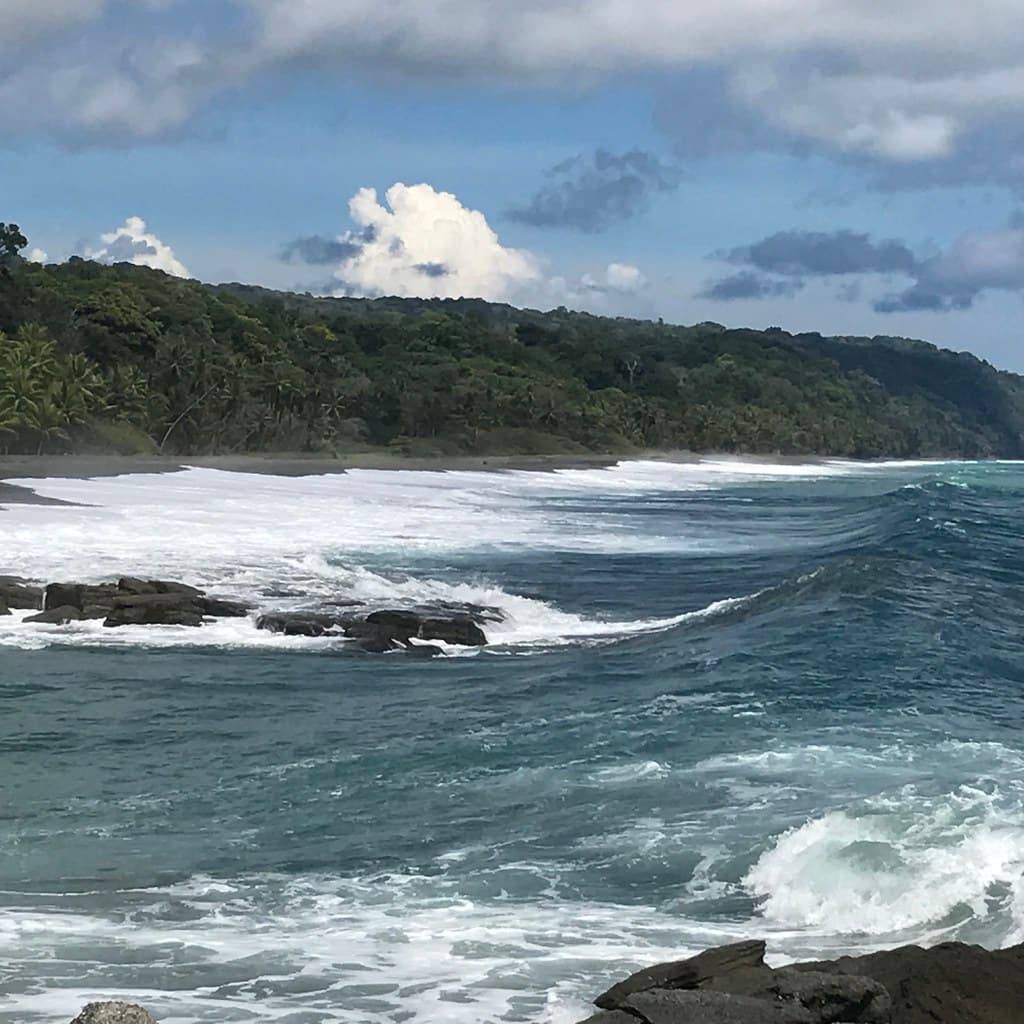
Playa Piro unfolds in a long, unbroken arc south of Carate, where the Osa Peninsula's jungle meets the Pacific without compromise. The sand is coarse, studded with water-smoothed pebbles and fragments of petrified wood; the wrack line is a museum of natural debris—tangled mangrove roots, whole coconuts still in their husks, sponges dried into sculptures by the sun. Scarlet macaws fly the beach twice daily, commuting between roosting sites and fruiting trees, their calls carrying over the surf. This is a wildlife beach first, a swimming beach second. Tapir tracks dimple the wet sand at dawn, leading from the forest to the water and back again; researchers believe they come here to cool off and ingest salt. Coatis travel in gangs along the high-tide mark, flipping debris with their noses. Whales breach offshore during the migration months, close enough that you can hear the slap when they hit the water. Reaching Playa Piro requires either a hike from Carate's tiny airstrip—luggage and all—or a boat ride from Puerto Jiménez that lands you directly on the sand. There are no facilities, no trails inland except game paths, no cell signal. The nearest lodge is a long walk back toward Carate. It's a beach for self-sufficient travelers who measure wealth in solitude and animal sightings rather than amenities and shade structures.
Places, rentals, tours and events within walking and driving distance of Playa Piro.
Photos
Swimming at Playa Piro presents significant challenges due to strong currents, waves, and undertow common along this wild Pacific coastline. The beach has no lifeguards or safety infrastructure. The remote location means medical help is hours away. If you choose to enter the water, exercise extreme caution, never swim alone, and stay in shallow areas. Many visitors prefer wading or beachcombing rather than swimming. Sea conditions vary by season and daily weather. Always ask local guides or lodge staff about current ocean conditions before considering swimming.
December through April offers the most reliable weather with sunny days and calmer seas, making this the best time for most visitors. However, Playa Piro remains beautifully uncrowded year-round due to its remote access. The green season (May-November) brings afternoon showers but spectacular wildlife activity and lush jungle scenery, plus lower lodging rates. For combining good weather with fewer crowds, consider late November or early December. Boat access can be affected by rough seas during certain periods, so verify transportation availability regardless of season.
Playa Piro is accessed primarily by boat from Puerto Jiménez or Carate, as overland routes are extremely difficult or nonexistent through dense jungle. Charter boats can be arranged through local operators or eco-lodges. Some visitors hiking the coastal trail to or from Corcovado National Park's Sirena Station pass near this beach. If staying at nearby lodges, transportation is typically arranged as part of your booking. The journey involves navigating coastal waters that can be rough, particularly during certain tidal and weather conditions.
Accommodation near Playa Piro consists of small eco-lodges and wilderness camps that typically offer all-inclusive packages including meals. These are often accessible only by boat or foot, creating an immersive jungle-beach experience. Facilities are rustic to mid-range, emphasizing sustainability and nature connection over luxury. There are no restaurants, stores, or services in the immediate area—everything must be arranged through your lodge. Puerto Jiménez, the nearest town with standard amenities, requires boat or difficult overland travel. Book accommodations well ahead and confirm all meal provisions.
Playa Piro's defining characteristic is its extreme wildness and isolation along the Corcovado corridor, one of the most biodiverse areas on Earth. The beach offers unparalleled opportunities to experience pristine coastal rainforest ecosystems with minimal human impact. Wildlife sightings often include tapirs, peccaries, monkeys, scarlet macaws, and occasionally jaguars on the beach itself. The boat-access requirement filters out casual visitors, ensuring genuine solitude. This is among Costa Rica's most authentic wild beach experiences, appealing to serious nature enthusiasts rather than conventional beach-goers seeking comfort and amenities.