Counting the waves…
Counting the waves…

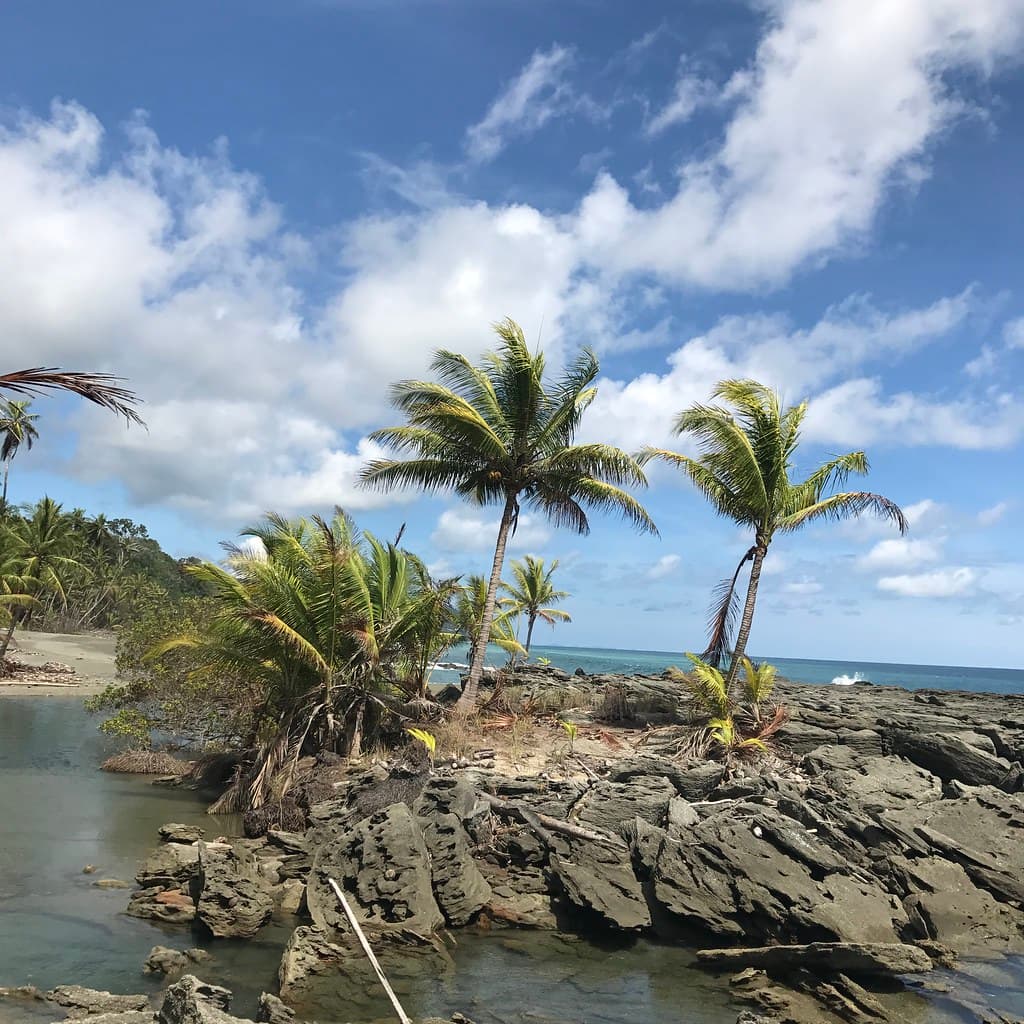
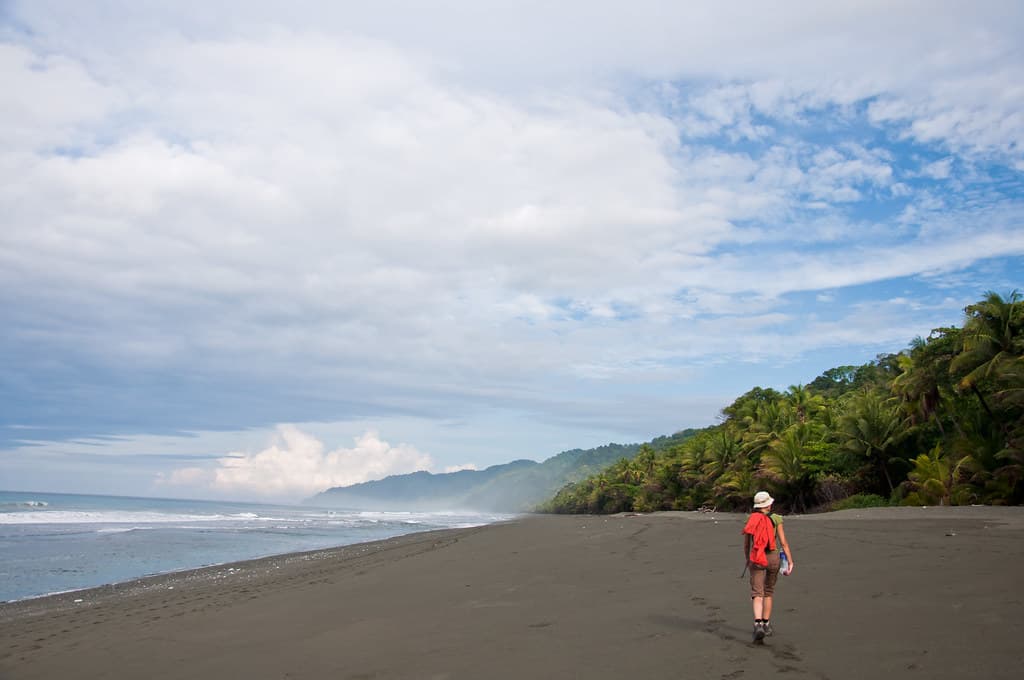
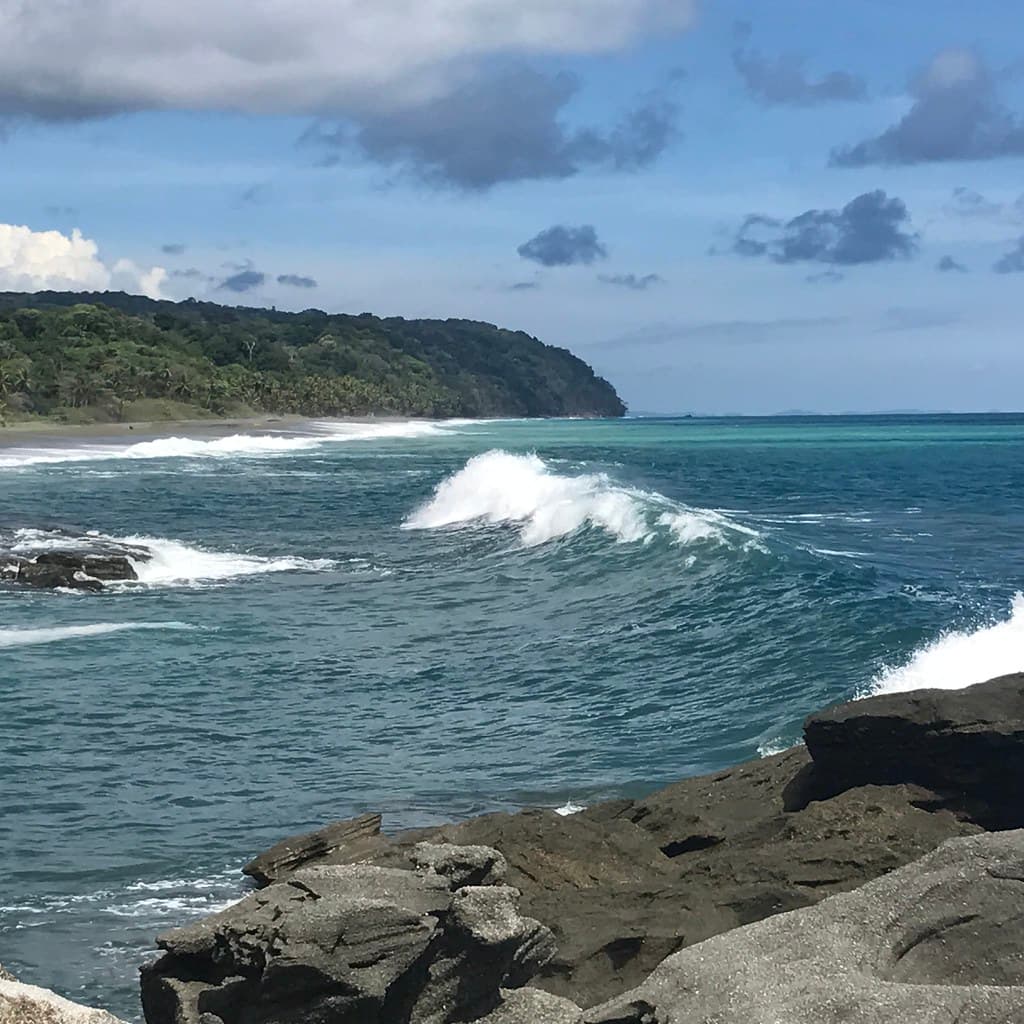
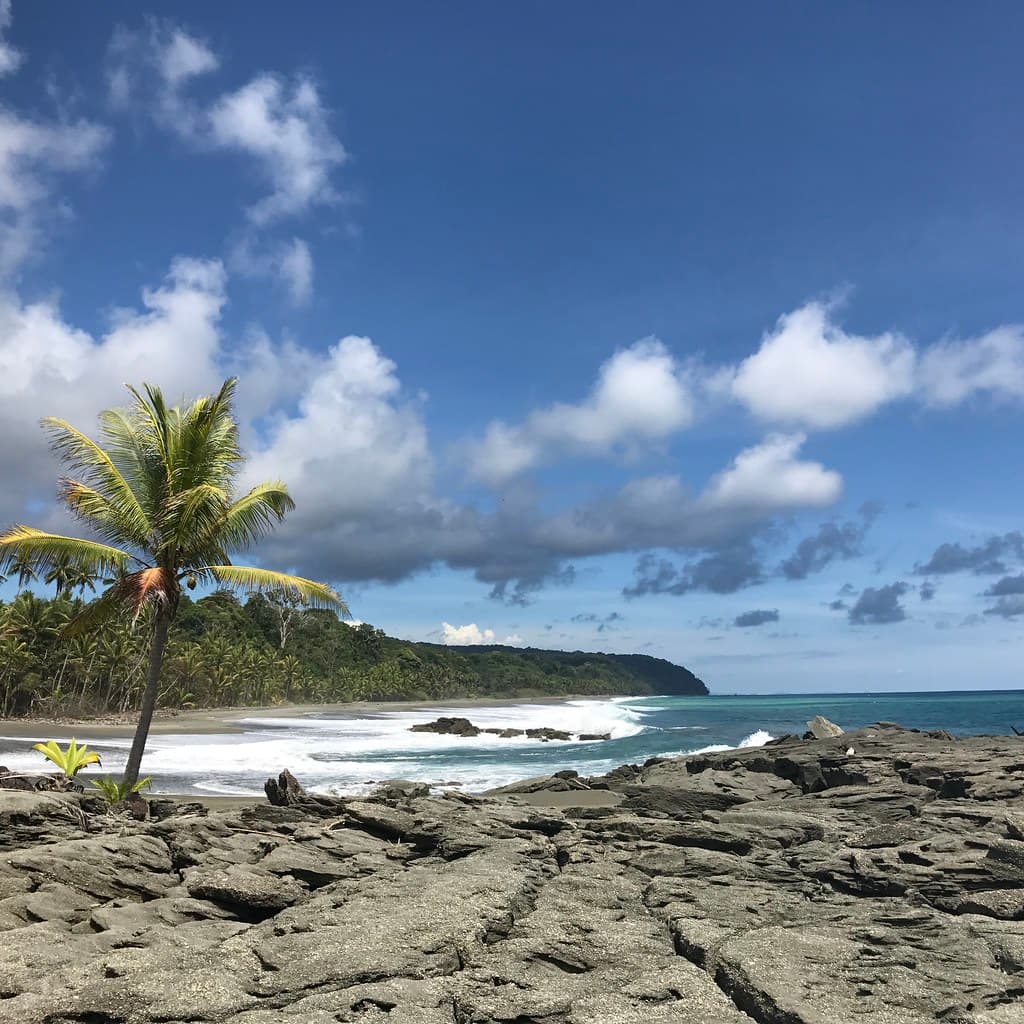
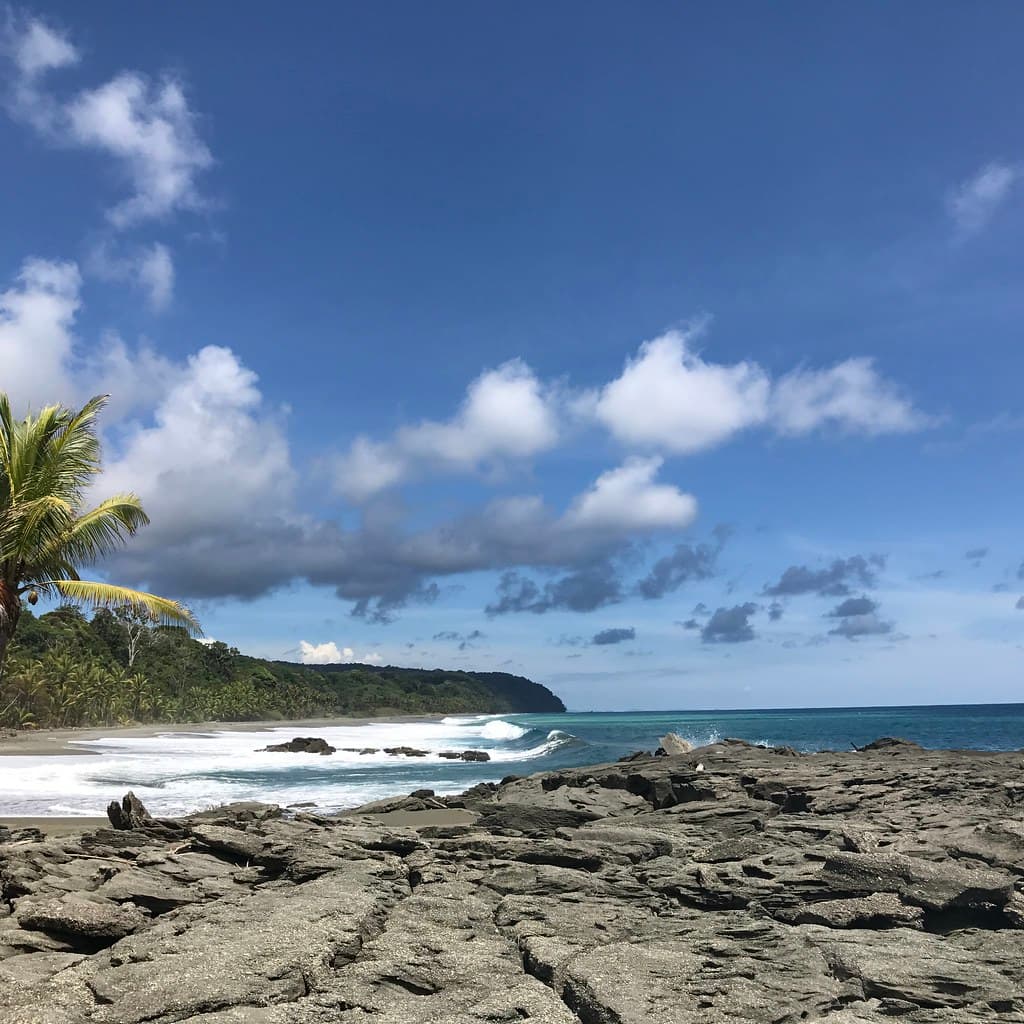
You step from the panga onto sand the color of wet slate, and the jungle closes in so tightly that vines dangle within arm's reach of the tide line. Playa Sombrero earns its anonymity—no trail signs, no vendors hawking coconuts, just the slap of wavelets and the chatter of scarlet macaws overhead. The beach curves for perhaps two hundred meters, hemmed by almond trees whose roots grip boulders smoothed by centuries of surge. Mid-afternoon light filters green through the canopy, dappling tide pools where hermit crabs scuttle over volcanic cobbles. You wade into bathwater-warm shallows, scanning for needlefish that dart like silver needles. When the sun drops, the entire bay ignites—burnt orange bleeding into violet, silhouetting the offshore rocks where frigatebirds roost. Guides throttle their outboards and drift, letting clients drink in the spectacle without commentary. By nightfall the stars punch through with equatorial intensity, and bioluminescent plankton spark green under your fingertips if you're brave enough for a moonlight swim. The return journey skims past Carate's lonely lights, your clothes damp with salt and the faint perfume of night-blooming jasmine trailing from the forest.
Places, rentals, tours and events within walking and driving distance of Playa Sombrero.
Photos
Swimming conditions at Playa Sombrero vary depending on tides and season. As a small protected cove, it typically experiences calmer waters than the exposed coastline, making it relatively safer during dry season. However, no lifeguards patrol this remote area, and currents can still be unpredictable. The rocky points that define the bay may have undertows. Always assess conditions carefully, avoid swimming alone, and ask local lodge operators about current safety conditions before entering the water.
December through April offers the best weather with minimal rainfall and calmer seas ideal for appreciating this hidden cove. March and early April see fewer visitors than the holiday rush. The wet season (May-November) brings lush greenery and dramatic sunsets but afternoon rains and rougher ocean conditions. September and October are wettest with challenging access. Visiting during weekdays year-round ensures greater solitude at this already-quiet beach. Sunset hours provide stunning light regardless of season.
Playa Sombrero requires either boat access or hiking from Carate. By land, drive or take a collective taxi from Puerto Jiménez to Carate (approximately 2 hours, 4WD essential, especially in rainy season). From Carate, the cove is a short hike south along the coast. Boat access can be arranged from Puerto Jiménez or through local lodges, offering a scenic approach. The beach's hidden nature means limited signage—ask locals in Carate for specific directions or hire a guide.
Playa Sombrero has no direct commercial development. A handful of small eco-lodges and rustic accommodations exist in the Carate area, within walking or short boat distance. These typically offer meals as part of packages, as there are no standalone restaurants nearby. Puerto Jiménez, about 40 kilometers away, provides more lodging and dining variety. Visitors should arrange accommodations in advance and confirm meal arrangements, as this remote area has limited services and no stores or casual dining options.
Playa Sombrero remains off most tourism radar due to its small size and lack of easy access compared to better-known Osa Peninsula beaches. It doesn't serve as a Corcovado trailhead like neighboring beaches, and its boat-friendly access makes it known primarily to locals and lodge guests rather than independent travelers. The cove's intimate scale means it can't accommodate crowds, so it's rarely promoted widely. This obscurity preserves its tranquil character, appealing to travelers seeking genuine seclusion along the Osa coast.