Counting the waves…
Counting the waves…
A refined fusion of water purity, environmental stability, and communal vibrancy for Playa La Leona.
View MethodologyAnalyzed via live sensors and environmental data.
Wave height, wind, and atmospheric stability.
Live footfall and crowd balance metrics.
Community reviews and curated sentiment.
“At the La Leona ranger station, the beach isn't just scenery—it's infrastructure. The hard-packed sand becomes the hiking route into the park, where jaguars hunt the tide line and scarlet macaws shriek from beachside…”
Limited recent visitor reports — live OBI telemetry is your best guide for current conditions.
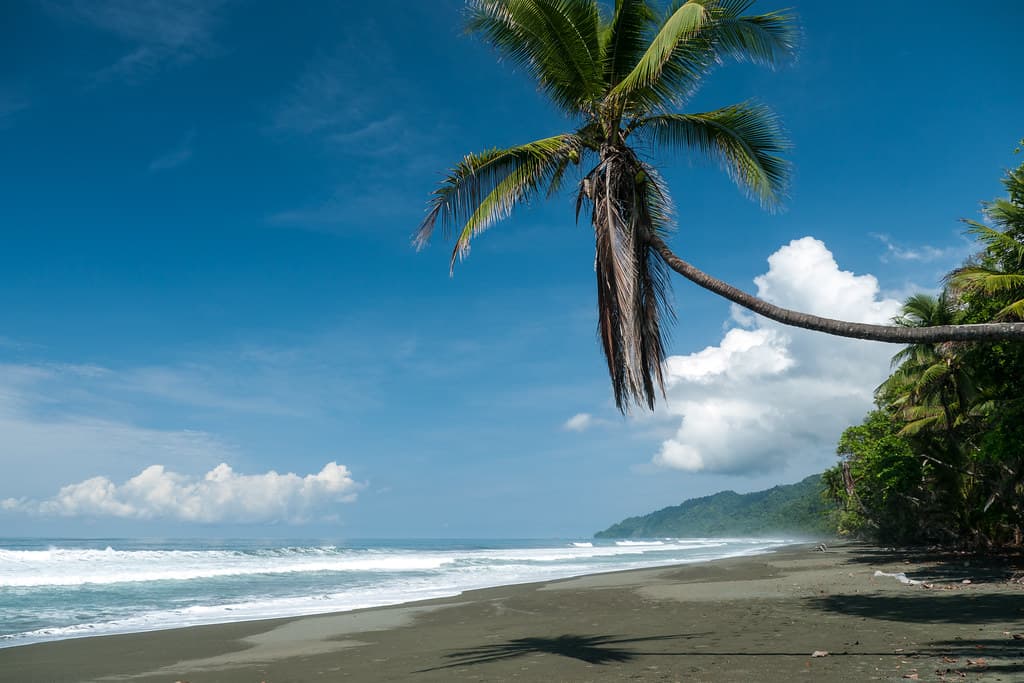
La Leona ranger station sits at the southeastern corner of Corcovado, where the park's coastal trail emerges from dense jungle onto a long stretch of grey-brown sand. This isn't a recreational beach in the typical sense; it's a working wilderness corridor, the footpath that connects the park's interior to the isolated research stations and ranger posts strung along the Pacific shore. Hikers check in here, paying fees and reviewing safety protocols before setting off on multi-day treks toward Sirena or Carate. The beach runs wide and flat, firm enough underfoot to make for easier walking than the muddy forest trails.
You share the sand with more than just other trekkers. Tapir tracks groove the shore where the animals descend at night to feed on beach almond fruit. Crocodiles sun themselves near the Rio Carate's mouth—massive, prehistoric, utterly indifferent to your presence. Pumas and jaguars patrol this edge between ecosystems, hunting coatis, peccaries, and sea turtle hatchlings. The surf breaks constantly, a grey-green churn that discourages swimming; riptides and bull sharks make the ocean here strictly for watching.
 Credit: Unsplash
An aerial view of a beach and ocean
 Credit: Unsplash
beach under blue sky
Sirena trail, ranger-guided routes
Tapir prints, crocodiles, jaguar scat
Rainforest silhouette, macaw flocks
Prime Visitation
Best Weather|Less Crowds
Where it is
Playa La Leona
Corcovado National Park, Puntarenas, Costa Rica
8.455200°, -83.464800°
Weather
Loading…
Swell
—
Temp
Warm · Restorative
UV Index
Moderate
Wind
—
Tidal State
Last known
Max Sunlight
—
Ideal Shade
—
Jan - Dec (Peak)
May - Nov (Off-season)
Best Weather|Less Crowds
Select a category to load nearby places.
Unlock restaurants, luxury stays and curated maritime experiences within 2km
Swimming at Playa La Leona requires caution due to strong Pacific currents and occasional rip tides. The beach is remote with no lifeguards or rescue services nearby. Most visitors wade in shallow areas rather than swim. Wildlife is abundant—crocodiles inhabit river mouths, so avoid swimming near freshwater outlets. Always check conditions with park rangers at the La Leona station before entering the water, and never swim alone in this isolated location.
The dry season from December through April offers the best weather with sunny skies and calmer seas, making coastal hiking more enjoyable. February and March see fewer crowds than peak holiday periods. The wet season (May-November) brings afternoon rains and rougher surf, but wildlife viewing can be excellent. Park access may be limited during heavy September-October rains. Early mornings year-round provide the best chance for wildlife sightings along the beach.
Reach Playa La Leona via the remote La Leona ranger station, one of Corcovado's main entry points. From Puerto Jiménez, drive or take a collective taxi to Carate (about 2 hours on rough road, 4WD recommended). From Carate, hike approximately 3.5 kilometers south along the beach to reach La Leona station and beach area. Alternatively, arrange boat transport from Drake Bay or Puerto Jiménez. The journey requires planning—roads can be impassable in rainy season.
Playa La Leona itself offers no commercial facilities. The La Leona ranger station provides basic camping (permit required, reserve in advance through park service). Carate, about 3.5 km north, has a few rustic lodges and the Carate airstrip. Most visitors base themselves in Puerto Jiménez and visit as a day hike or multi-day trek. Bring all food, water, and supplies—there are no stores or restaurants in this remote area. Rangers can provide drinking water.
Playa La Leona serves as a crucial coastal trailhead for one of Corcovado's most spectacular hiking routes—the coastal trail to Sirena station. This beach marks the beginning or end of a challenging 16-kilometer beach trek through pristine wilderness. Hikers must time their journey with low tides, as portions become impassable during high tide. The beach itself is a wildlife corridor where tapirs, scarlet macaws, and monkeys are frequently spotted against dramatic coastal scenery.
Photos