
Counting the waves…
Counting the waves…

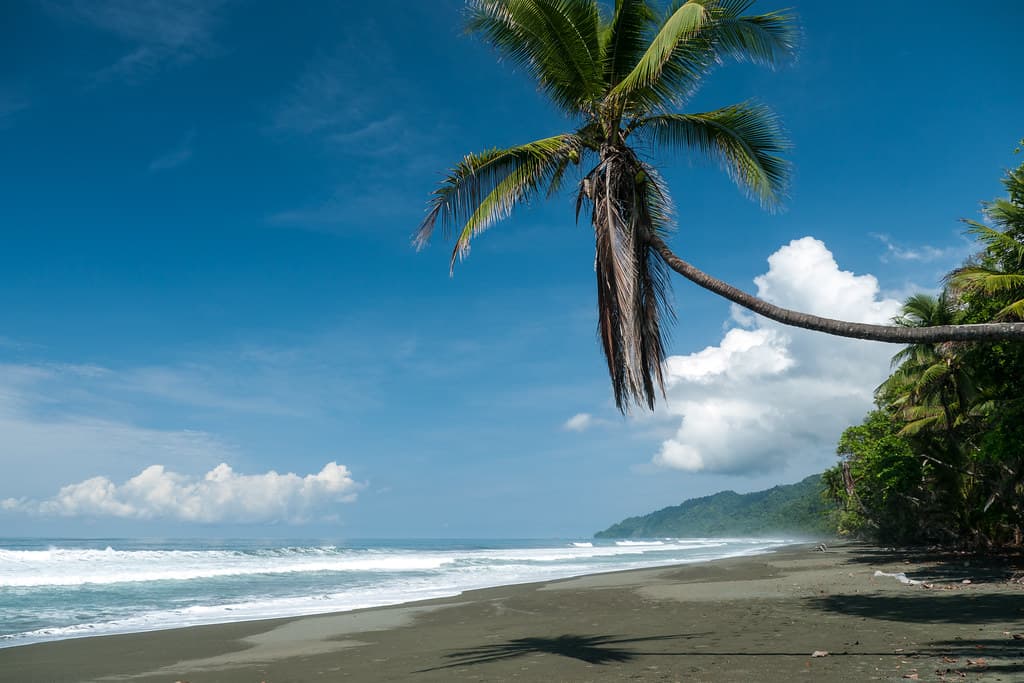
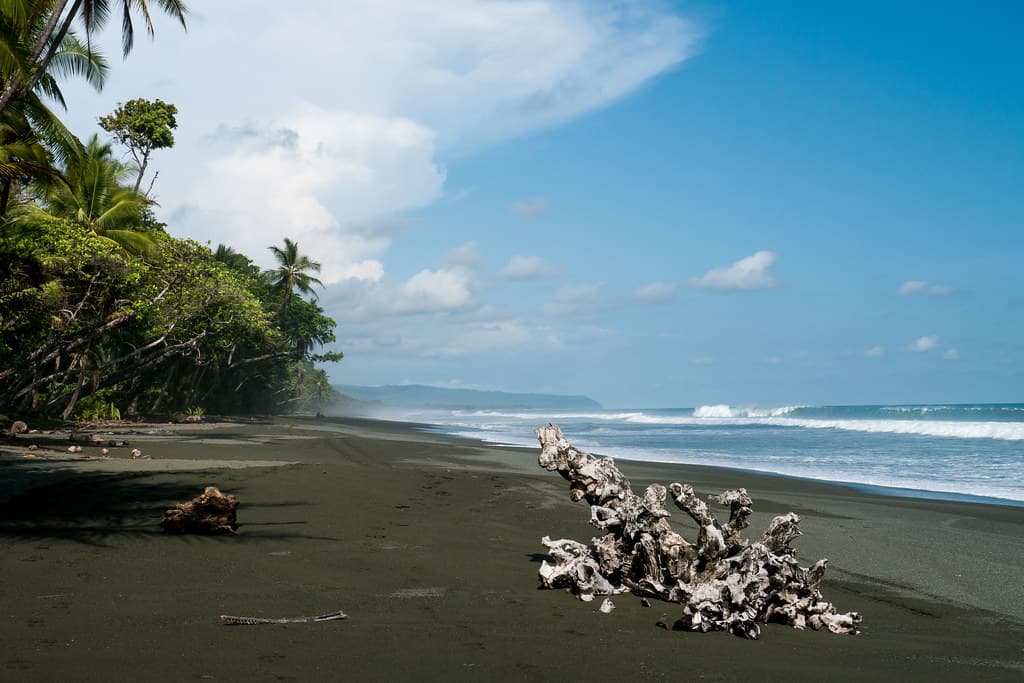
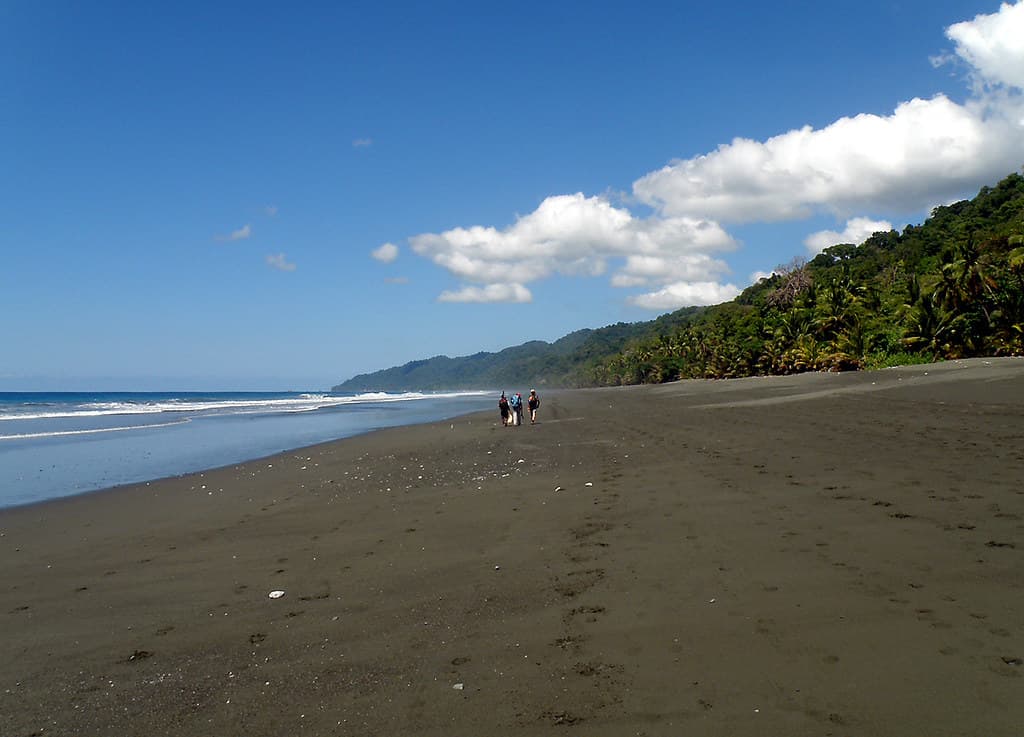
Playa La Leona marks a threshold. To the south, the forested ridge of Corcovado rises like a green wall; to the north, the beach unfurls in a long, uninterrupted arc toward Cabo Matapalo. The sand is dense and dark when wet, pale and loose above the tide line, and scattered with driftwood logs the size of canoes. You'll hear howler monkeys in the canopy before you see them, their calls rolling out over the surf like distant thunder. This is a beach walked by hikers more than sunbathers. Most people arrive at La Leona as a starting or ending point for the coastal trail into Corcovado, boots slung over shoulders, packs heavy with water and permits. But even if you're not trekking into the park, the shoreline itself rewards exploration—river mouths cut through the sand, creating shallow lagoons where herons hunt, and the tide leaves behind moon snail shells and fragments of coral. The feeling here is less vacation than expedition. The nearest services are back in Carate—a cluster of lodges and a landing strip—and the beach itself offers no shade, no facilities, no softening of the wild. You come to La Leona to stand at the edge of something larger than yourself, where the jungle's breath is thick with salt and the only footprints are yours and the raccoons'.
Places, rentals, tours and events within walking and driving distance of Playa La Leona.
Photos
Swimming at Playa La Leona requires caution due to strong currents and waves typical of this exposed Pacific coastline. The beach is more valued for wildlife watching than swimming. You may encounter scarlet macaws, monkeys, tapirs, and various seabirds. The beach serves as a ranger station entrance to Corcovado National Park, so wildlife sightings are common. Always maintain safe distances from animals and never feed them. The remote location means no lifeguards or emergency services nearby. If swimming, stay close to shore and be mindful of riptides common along the Osa Peninsula.
The dry season (December-April) offers the best weather and easier access to Playa La Leona, with less rain and better road conditions. However, the green season (May-November) can provide exceptional wildlife viewing as animals are more active, though afternoon rains are common and the access road becomes challenging. For fewer crowds year-round, this remote beach rarely sees many visitors outside of Corcovado hikers. Early morning visits offer the best wildlife spotting opportunities and cooler temperatures. If planning to enter Corcovado National Park, advance reservations are required regardless of season.
Playa La Leona is located near Carate, accessed via a challenging dirt road from Puerto Jiménez (approximately 1.5-2 hours by 4WD vehicle). The road conditions deteriorate significantly during rainy season, making 4WD essential year-round. Some visitors take collective taxis or arrange private transport from Puerto Jiménez. The final stretch involves driving through rivers and rough terrain. Alternatively, fly into Puerto Jiménez from San José, then arrange ground transport. Many hikers access this beach as part of Corcovado National Park treks. Always check current road conditions before attempting the journey.
Accommodation options near Playa La Leona are extremely limited and rustic, with a few basic eco-lodges in the Carate area catering primarily to Corcovado hikers and nature enthusiasts. Most lodges offer meals as part of packages since no restaurants operate nearby. Puerto Jiménez, 1.5-2 hours away, provides more diverse lodging and dining options. Visitors should plan to be self-sufficient, bringing adequate water, food, and supplies. The La Leona Ranger Station has basic facilities but limited provisions. Many visitors make this a day trip or overnight camping experience rather than a base for extended stays.
Playa La Leona serves as one of the primary entrance points to Corcovado National Park, home to exceptional biodiversity and wildlife. The La Leona Ranger Station marks the trailhead for multi-day treks through the park's coastal and jungle terrain. Many hikers begin or end their Corcovado adventure here, making it a functional beach rather than purely recreational. The surrounding area offers excellent opportunities to spot scarlet macaws, tapirs, monkeys, and other wildlife even without entering the park. The remote, undeveloped nature appeals to serious nature enthusiasts and adventurous travelers seeking authentic wilderness experiences.