
Counting the waves…
Counting the waves…

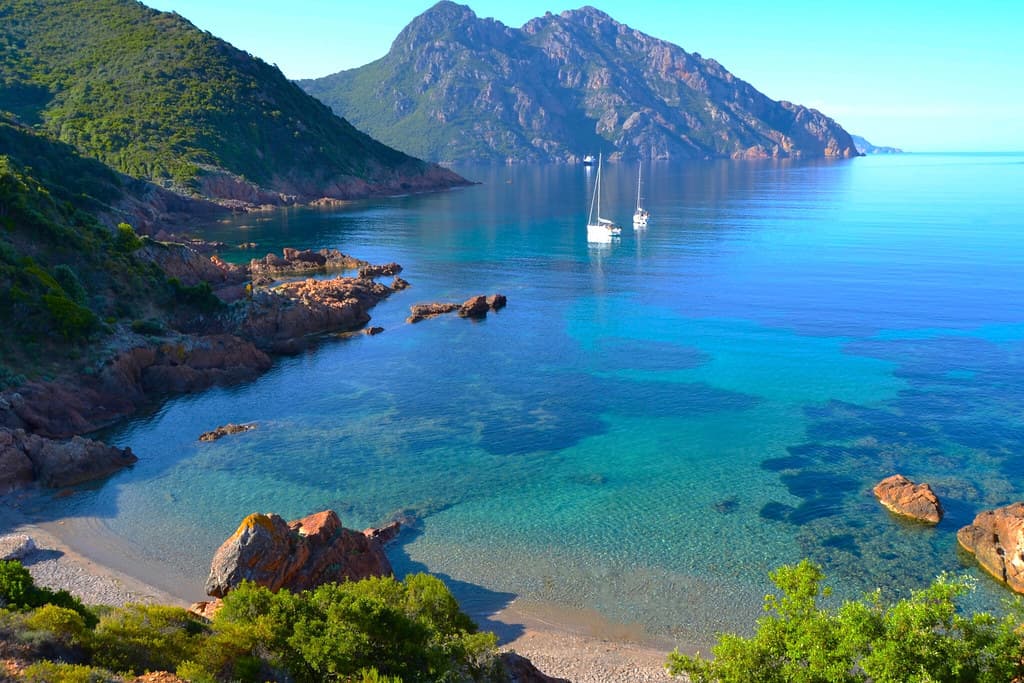
The pebbles are palm-sized and wave-tumbled, ranging from dove grey to rust-streaked white. They shift underfoot with a distinctive clatter, and lying on them requires strategy—a thick towel or sleeping pad, body weight distributed carefully. But the water is immediate and deep; three steps and you're swimming. Clarity runs thirty feet or more on calm days, the rocky bottom a maze of crevices where octopus hunt and grouper hover in the blue distance. Girolata's scale is almost implausible: maybe forty permanent residents, a Genoese tower on the headland, buildings pressed against the hillside in shades of ochre and pink. The beach serves as the village's front yard, main thoroughfare, and social center. Morning brings the fishermen untangling nets, noon delivers the tour boats in procession, evening returns quiet as day-trippers depart. You'll share the stones with hikers who've walked the coastal trail from Galéria or Galeria—sunburned, salt-crusted, grateful for the swimming. The restrictions of access shape everything. Provisions arrive by boat; ice melts fast; menus depend on what the fishing yielded. But the isolation that complicates logistics also creates a pocket outside normal time. No cars means no traffic sounds, just wave-rattle on pebbles, conversation from restaurant terraces, the occasional bleat from goats on the hillside. At dusk, as the last tour boat motors away, the beach becomes entirely yours and the dozen others staying overnight—a privilege measured in silence and unobstructed stars.
Places, rentals, tours and events within walking and driving distance of Plage de Girolata.
Photos
Swimming is generally safe in calm conditions, though there are no lifeguards or rescue services in this remote location. The pebble beach slopes into clear waters suitable for swimming and snorkeling. Be aware of boat traffic, as Girolata is a popular anchorage for yachts and tour boats. Conditions can change with weather, and medical facilities are far away, so exercise appropriate caution. The sheltered bay typically offers protection from waves, making it suitable for confident swimmers in good weather.
Late spring (May-June) and early autumn (September) offer pleasant weather with fewer day-trippers than July and August. Summer brings more boat tours and hikers, creating a livelier atmosphere. Early morning or late afternoon visits provide a more peaceful experience even in peak season. Weather is most reliable June through September. Consider staying overnight in Girolata to experience the village after day visitors depart. The remote location means any visit requires planning around boat schedules or hiking times.
Boat tours from Porto or Galéria provide the easiest access, typically as part of Scandola Nature Reserve excursions. Alternatively, hike the coastal trail from the Col de la Croix (about 90 minutes) or the longer Sentier du Facteur from Galéria. Both trails are scenic but require good fitness and sturdy footwear. Some visitors kayak from Porto. The village has no road access, making the journey part of the adventure. Tour boats usually allow 1-2 hours in Girolata before returning.
Despite its remote location, Girolata has several seasonal restaurants serving fresh seafood and Corsican specialties, primarily open April through October. A few small hotels and guesthouses offer overnight accommodation—booking well ahead is essential as capacity is extremely limited. Facilities are simple and rustic. Bringing some supplies is wise, though restaurants can provide meals. The village has no shops or ATMs. Overnight stays let you experience the magical atmosphere after day-trippers leave, though options remain basic and authentic.
Girolata serves as the primary human settlement near the UNESCO-protected Scandola Nature Reserve, making its beach a natural stopping point for boat tours exploring the reserve. The village represents the gateway between the wilderness of Scandola and accessible civilization. Most Scandola tours include time at Girolata for swimming, lunch, or exploring the historic Genoese tower. Its boat-or-trail-only access exemplifies the remote character that makes this coastline special. The beach provides context for understanding how people have lived in this spectacular, isolated landscape.