Counting the waves…
Counting the waves…

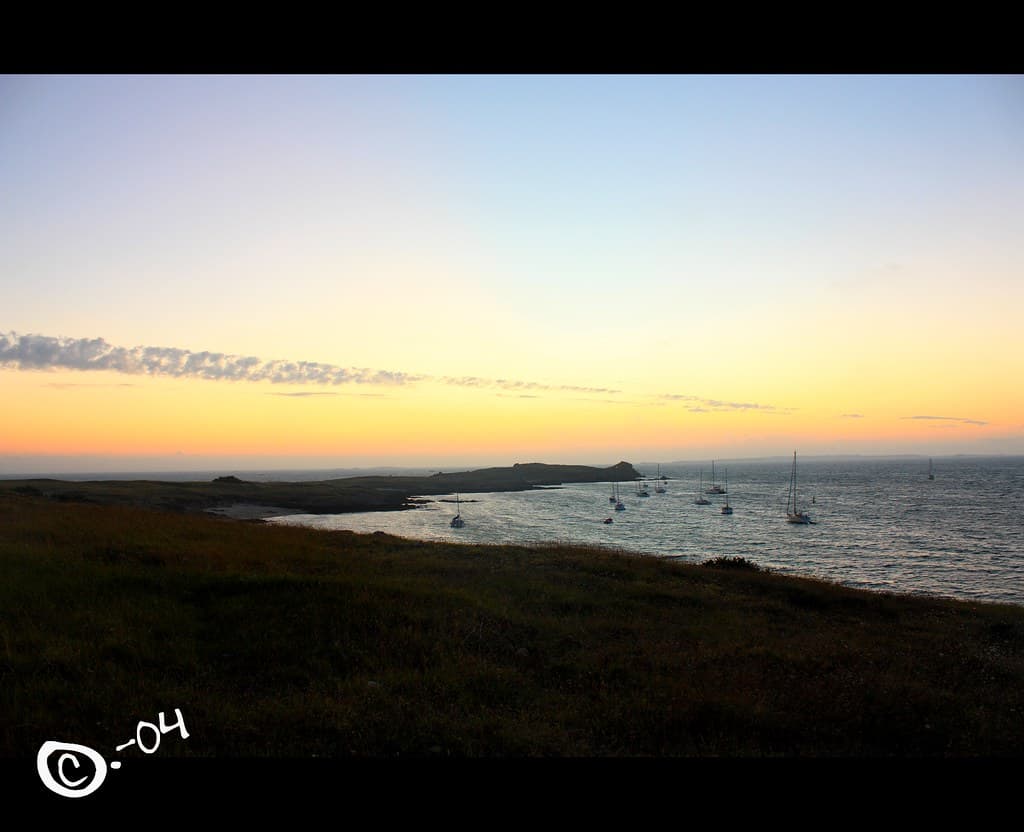
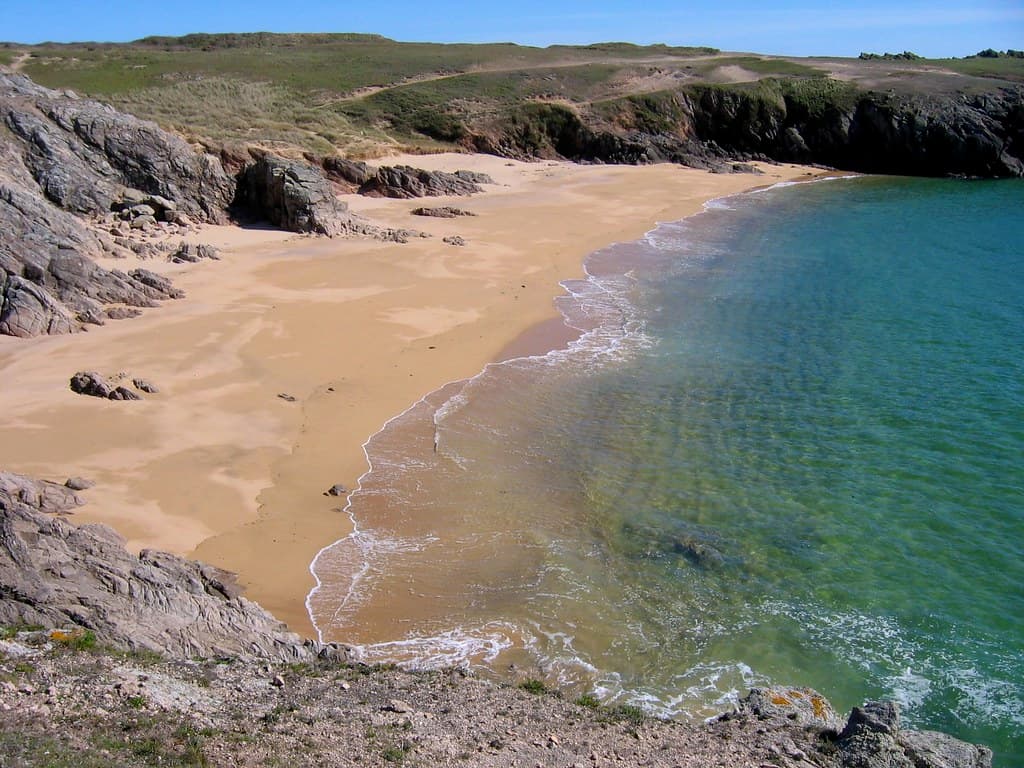
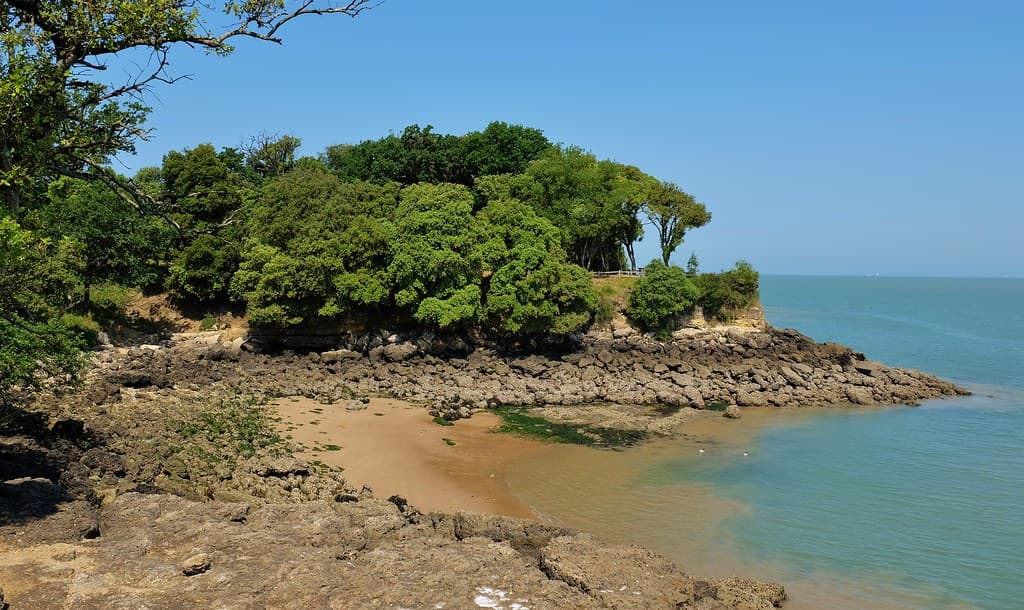
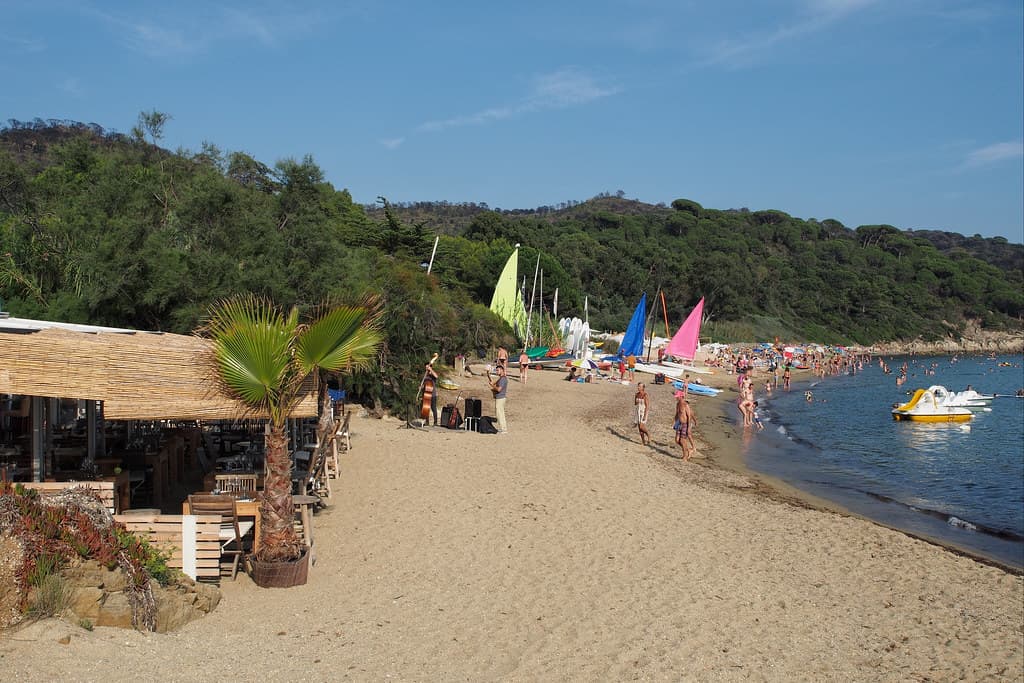
Reaching Plage de la Croix requires commitment: a forty-five-minute ferry from Quiberon, a walk across an island where bicycles outnumber cars, and a deliberate forgetting of the mainland's urgency. The beach sits on Hoëdic's southern edge, a sheltered pocket where the tide pools among black rocks and the sand takes on a buttery hue in late-day sun. At low water, the exposed flats reveal a miniature archipelago of seaweed-draped stones that children transform into kingdoms. The water here behaves differently than on Brittany's exposed coasts—calmer, warmer by a degree or two, shallow enough that even reluctant swimmers gain confidence. You wade in and the bottom stays visible, rippled and populated by darting fish no longer than your thumb. Behind you, the dunes anchor themselves with tough grasses that hiss in the ever-present wind, and a weathered wooden cross marks the beach's namesake, stark against the sky. As the afternoon tilts toward evening, the island's seventy-odd year-round residents appear: a grandmother spreading a checked blanket, a fisherman checking his pots offshore, a couple walking the tideline with a dog that refuses to swim. You stay until the sun meets the Atlantic, painting the shallows copper and rose, and understand why those who find this place rarely settle for anywhere else.
Places, rentals, tours and events within walking and driving distance of Plage de la Croix.
Photos
Plage de la Croix is generally considered safe for swimming and well-suited for families. The beach offers calm, shallow waters that are ideal for children. However, as with any Atlantic beach, always check local conditions before swimming, as tides and currents can vary. There are no lifeguards stationed on Île-d'Hoëdic, so supervise children closely. The beach's sheltered position typically provides calmer conditions than more exposed coastal areas. The sandy bottom and gradual depth make it particularly family-friendly during summer months.
Plage de la Croix can be enjoyed year-round, though each season offers different experiences. Summer (June-September) provides the warmest weather and calmest seas, ideal for swimming and sunbathing. Spring and autumn offer milder temperatures with fewer visitors, perfect for peaceful walks and photography. The beach is known for spectacular sunsets throughout the year. Winter visits appeal to those seeking solitude and dramatic coastal scenery. Keep in mind that boat services to Île-d'Hoëdic operate more frequently during peak summer season, which may influence your travel plans.
Reaching Plage de la Croix requires a boat journey, as Île-d'Hoëdic is a small island off the Brittany coast. Regular ferry services operate from Quiberon, Port-Navalo, and La Turballe, with increased frequency during summer months. The crossing typically takes 45 minutes to 1 hour depending on your departure point. Once on the island, the beach is accessible by foot—Hoëdic is small enough to explore on foot or bicycle. There are no cars on the island, so parking isn't a concern. Book ferry tickets in advance during peak season.
Île-d'Hoëdic has limited but adequate amenities for its small size. The island's village, within walking distance of Plage de la Croix, offers a handful of restaurants, crêperies, and a small grocery store for basic supplies. Accommodation options include a few small hotels, guesthouses, and vacation rentals—book well ahead for summer stays. There are no facilities directly on the beach itself, so bring water and snacks. The island's compact size means everything is easily accessible on foot. For extensive shopping or dining variety, you'll need to return to the mainland.
Plage de la Croix stands out for its remarkable tranquility and island setting. Located on tiny Île-d'Hoëdic, which has fewer than 100 permanent residents, the beach offers an escape from crowded mainland tourist spots. The crystal-clear waters here are notably pristine, and the beach provides stunning sunset views across the Atlantic. The journey itself—arriving by boat—adds to the sense of adventure and remoteness. The island's car-free environment creates a peaceful, authentic atmosphere that feels increasingly rare along the Brittany coast, making this beach a true hidden gem.