Counting the waves…
Counting the waves…

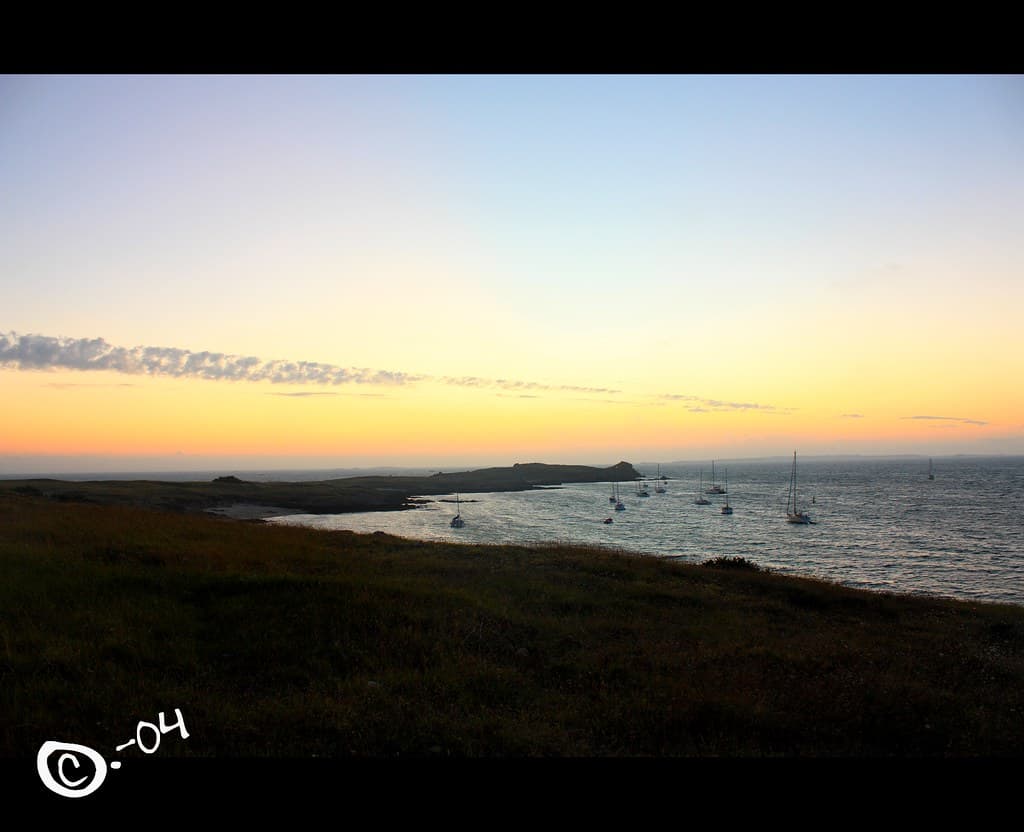
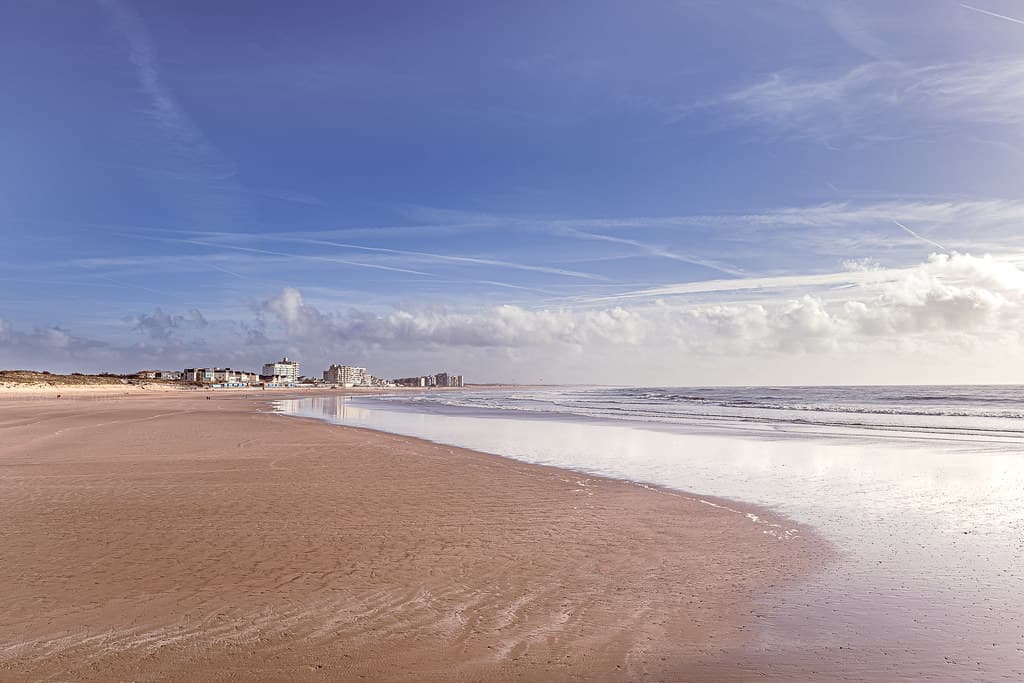
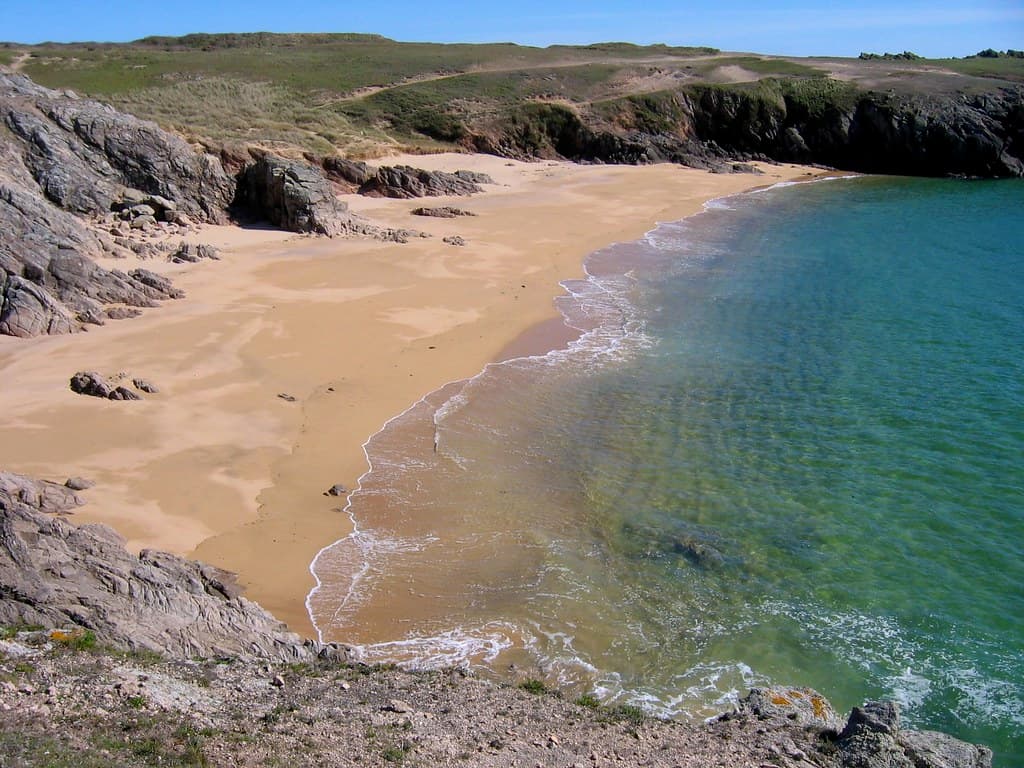
Fifteen minutes south of Houat's village harbor, past stone walls laced with pink valerian and the occasional grazing sheep, Treac'h Salus unfurls like a private postcard. The beach arcs between low rocky points, its sand so pale it throws back the afternoon light in a soft glare. At low tide, you can wade out a hundred meters, the water barely reaching your knees, warm enough by June that children dig moats and dams while their parents stretch out on striped towels brought over on the morning ferry. Unlike the island's northern Grande Plage, which absorbs most day-trippers, Treac'h Salus draws a quieter crowd—islanders with wicker baskets, sailors who've anchored in the bay, the occasional camper from the municipal site tucked in the pines. The western headland blocks the prevailing wind, creating a microclimate that holds the day's warmth well into evening. Gulls wheel overhead, their cries mixing with the rhythmic slap of halyards from moored boats. As the sun drops toward the Quiberon peninsula, the water shifts through a gradient of blues—from pale jade near shore to deep sapphire where the bay deepens. You'll want to linger past the last ferry, feet buried in cooling sand, watching the lighthouse on Hoëdic blink on across the sound. This is the Houat the day-trippers miss: unhurried, salt-stained, stubbornly itself.
Places, rentals, tours and events within walking and driving distance of Plage de Treac'h Salus.
Photos
Plage de Treac'h Salus is generally considered safe for swimming and well-suited for families. The beach features calmer waters compared to ocean-facing beaches on Île-d'Houat, making it ideal for children. However, there are no lifeguards on duty, so visitors must exercise caution and supervise children closely. Currents can vary depending on tides and weather conditions. The sandy beach slopes gently into the water, providing easy access for swimmers of all ages. Always check local conditions before entering the water and avoid swimming during storms or high winds.
Plage de Treac'h Salus can be visited year-round, though the experience varies by season. Summer (June-August) offers the warmest weather and water temperatures, ideal for swimming and sunbathing, but attracts more visitors. Spring and autumn provide milder temperatures with fewer crowds, perfect for beach walks and peaceful relaxation. Winter visits offer dramatic coastal scenery and solitude, though swimming is less comfortable. The beach is particularly stunning at sunset throughout the year. Keep in mind that boat schedules to Île-d'Houat are more frequent in summer and may be limited in winter.
Reaching Plage de Treac'h Salus requires taking a ferry to Île-d'Houat, as the island is car-free. Boats depart from Quiberon, Port-Navalo, Vannes, and La Trinité-sur-Mer during peak season, with the most frequent service from Quiberon (approximately 45 minutes). Once on the island, it's a scenic 20-30 minute walk from the port through the village and coastal paths. There is no parking on Houat itself, but you can leave your car at paid parking facilities near the mainland ferry terminals. The walk is easy and well-marked, following island footpaths.
Plage de Treac'h Salus is a relatively undeveloped beach with no on-site facilities. The main village of Île-d'Houat, near the port, offers several restaurants, cafés, a small grocery store, and bakery where you can purchase supplies. Accommodations on the island include small hotels, guesthouses, and vacation rentals, all located in or near the village. It's recommended to bring food, water, and beach essentials with you to Treac'h Salus. Public toilets may be available in the village. The island maintains a quiet, natural character with limited commercial development, so plan accordingly.
Plage de Treac'h Salus stands out for its sheltered location and sunset views, positioned differently from the island's more famous ocean-facing beaches. While beaches like Treac'h er Goured face the open Atlantic, Treac'h Salus offers a more protected setting with calmer waters, making it particularly appealing for families and those seeking a quieter experience. The beach provides excellent vantage points for sunset watching. Its position means it can be less crowded than the main beaches, offering a more intimate island experience while still maintaining the pristine natural beauty that characterizes Houat's coastline.