Counting the waves…
Counting the waves…
A refined fusion of water purity, environmental stability, and communal vibrancy for Plage du Vieux Château.
View MethodologyAnalyzed via live sensors and environmental data.
Wave height, wind, and atmospheric stability.
Live footfall and crowd balance metrics.
Community reviews and curated sentiment.
“You step off the ferry onto Île-d'Hoëdic and follow the dusty path past stone cottages where fishing nets dry in salt wind. Plage du Vieux Château curves below the remains of a medieval fortress, its sand cool underfoot…”
Limited recent visitor reports — live OBI telemetry is your best guide for current conditions.
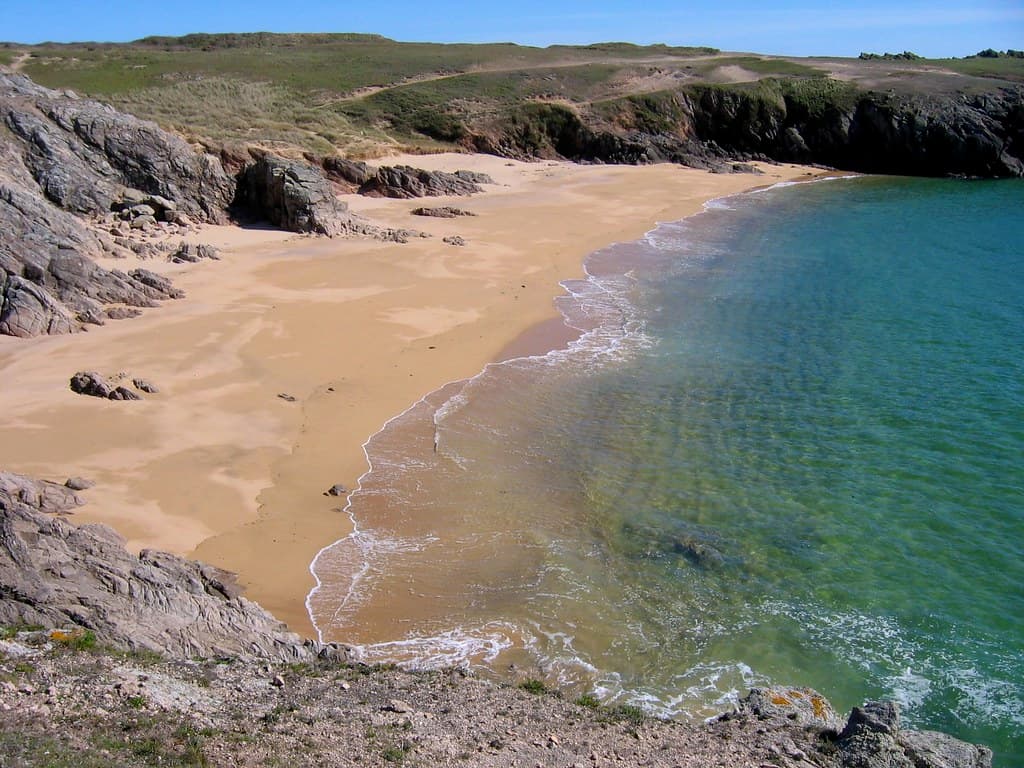
The ferry chugs past Belle-Île and Houat before depositing you on Hoëdic, where fewer than a hundred souls winter over. From the tiny port, the walk to Plage du Vieux Château takes fifteen minutes—past hydrangeas spilling over stone walls, past the single bakery where the owner knows every islander by name. The beach announces itself suddenly: a shallow arc pressed between dark rocks, the old château's rubble tumbling down the slope like broken teeth.
The sand here is pale, nearly white, studded with fragments of mussel shell that click when the tide retreats. Seaweed lies in tangled ropes along the high-water mark, releasing its iodine scent in the sun. The water stays shallow for twenty meters out, warming in tidal pools where small children crouch with nets. Beyond the breakers, lobster buoys bob in neat rows.
 Credit: Unsplash
boats on the beach
 Credit: Unsplash
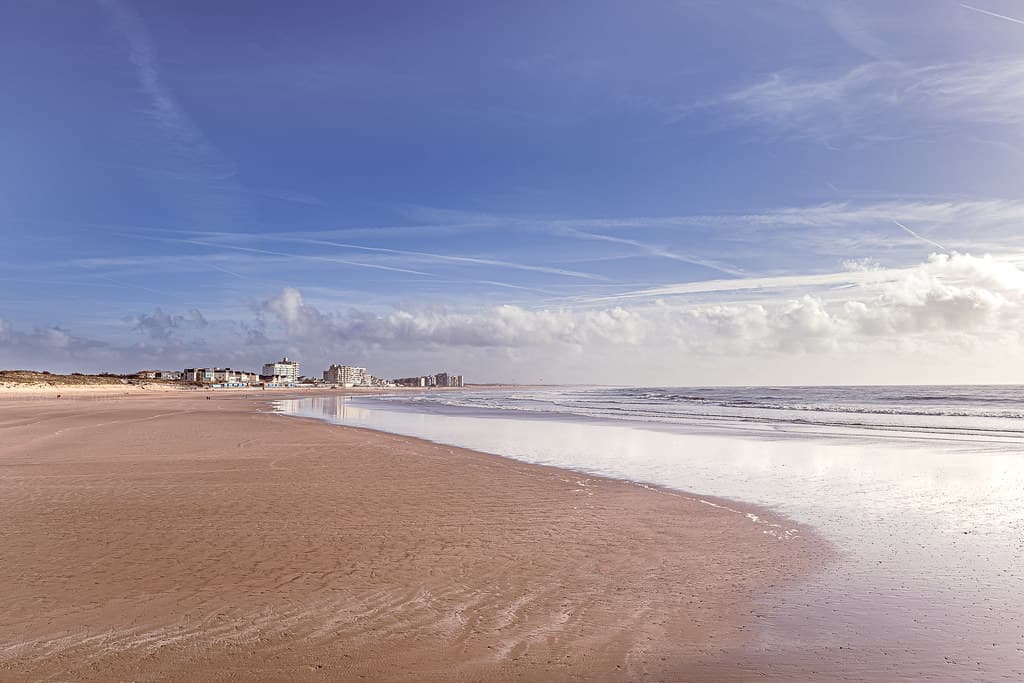
A view of a beach with houses in the background
Medieval stonework meets Atlantic waves
Warm pockets between granite outcrops
Island circuit under two hours
Where it is
Plage du Vieux Château
Île-d'Hoëdic, Morbihan, France
47.336600°, -2.876800°
Weather
Loading…
Swell
—
Temp
Warm · Restorative
UV Index
Moderate
Wind
—
Tidal State
Last known
Max Sunlight
—
Ideal Shade
—
May - Sep (Peak)
Jan - Dec (Off-season)
Historical data suggests peak visibility and stable sea temperatures occur during the prime visitation window.
Select a category to load nearby places.
Unlock restaurants, luxury stays and curated maritime experiences within 2km
Plage du Vieux Château offers generally calm swimming conditions due to its protected location on Île-d'Hoëdic. The beach features shallow waters suitable for families, though conditions vary with tides and weather. There are no lifeguards on duty, so swim at your own risk and monitor children closely. Check tide times before visiting, as the beach changes significantly between high and low tide. During strong Atlantic winds, waves can increase. The remote island setting means emergency services take longer to arrive, so exercise appropriate caution and stay within comfortable swimming depths.
While accessible year-round, late spring through early autumn (May-September) offers the most reliable weather and regular boat connections to Île-d'Hoëdic. July and August bring warmest temperatures but also crowds. June and September provide pleasant conditions with fewer visitors. The beach is particularly stunning at sunset. Winter visits are possible but ferry schedules reduce significantly, and weather can be unpredictable with strong winds. Always verify boat schedules before planning your trip, as services depend on season and weather conditions. Early mornings offer solitude even in peak season.
Reaching Plage du Vieux Château requires taking a ferry to Île-d'Hoëdic from Quiberon or Port-Navalo on the mainland. Companies like Compagnie Océane and Navix operate seasonal services. The crossing takes approximately 45-90 minutes depending on departure point. Once on the small island, the beach is a short walk from the port; cars are not permitted on Île-d'Hoëdic. Parking is available at mainland ferry terminals. Book ferry tickets in advance during summer. The island is best explored on foot or by bicycle, which can be rented locally.
Île-d'Hoëdic has limited but authentic amenities concentrated near the port village. You'll find a few seasonal restaurants, crêperies, and a small grocery shop for basic supplies. Accommodations include small hotels, vacation rentals, and a campsite, but options are limited so book well ahead, especially in summer. The beach itself has no facilities, so bring food, water, and sun protection. Many visitors day-trip from the mainland or neighboring Île-de-Houat. The island's remoteness is part of its charm, offering an escape from commercial tourism.
The beach takes its name from the remains of the 'Old Castle' (Vieux Château), though little remains of the original fortification today. These historical ruins add character to the landscape and provide a scenic backdrop for the beach. The site reflects the island's strategic maritime history. While not extensively preserved, the ruins make for interesting exploration and photography, particularly at golden hour. The combination of ancient stones, beach, and ocean views creates a uniquely atmospheric setting that distinguishes this beach from typical island shores and offers insight into Île-d'Hoëdic's past.
Photos