

Counting the waves…
Counting the waves…

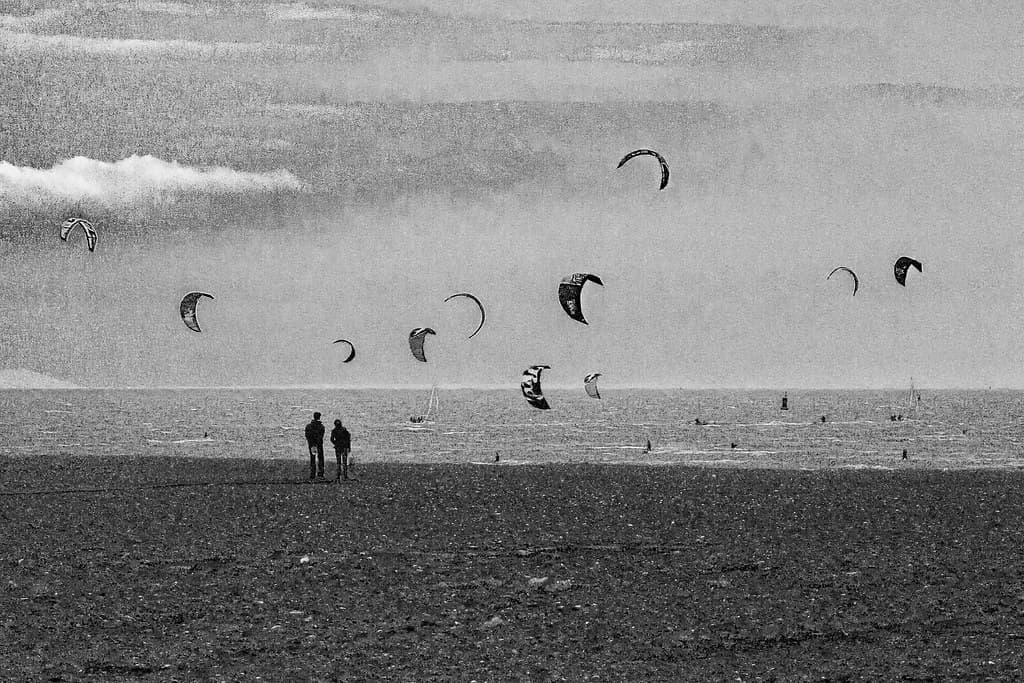
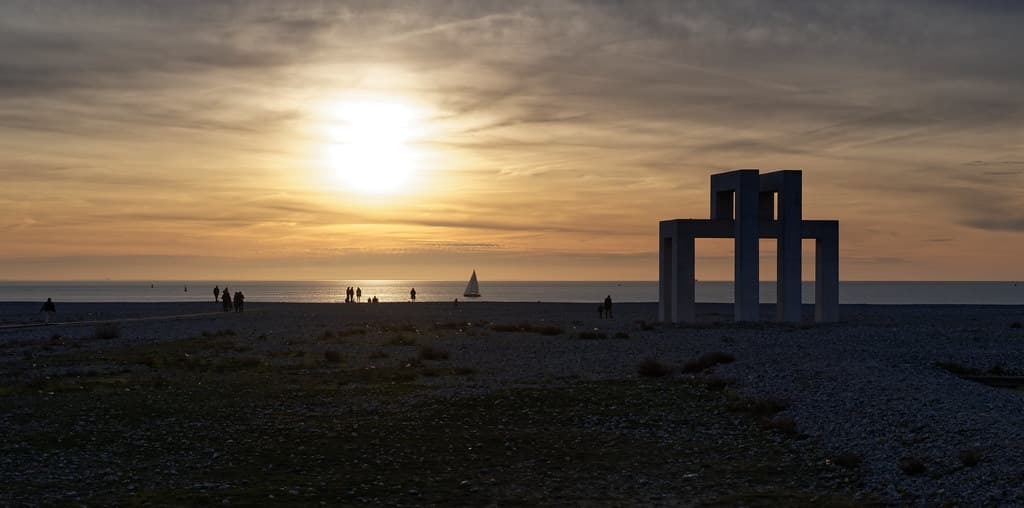
The pebbles shift beneath your feet, polished smooth by the Channel tides that swing six meters twice daily. Behind you, Perret's postwar apartment blocks rise in pale concrete rhythm, their clean lines softened by salt air and the cries of herring gulls wheeling overhead. This is Le Havre's working waterfront, rebuilt from rubble after 1944, where families spread blankets on stones still warm from afternoon sun and joggers trace the promenade as container ships slide past the harbor mouth. West of the beach, the MuMa museum holds the world's second-largest Impressionist collection—Monet and Boudin painted these very clouds, these shifting grays and silvers that never quite settle. You'll understand why when evening light turns the water to pewter and the sky goes violet behind the Seine estuary. Children in wetsuits splash where the river meets salt water, indifferent to the temperature that never tops 18 degrees Celsius even in August. The promenade offers beach clubs with striped umbrellas, a skate park where wheels scrape concrete, and the smell of moules-frites drifting from brasseries facing the sea. At low tide, the waterline retreats two hundred meters, exposing dark sand and tidal pools where crabs scuttle between stones. This isn't a postcard beach—it's the honest edge of a working port city, where Havrais come to watch cargo ships and sunsets with equal appreciation.
Places, rentals, tours and events within walking and driving distance of Plage du Havre.
Photos
Plage du Havre is generally safe for swimming during summer months when lifeguards are on duty. The beach is monitored and flags indicate water conditions. However, the English Channel can have strong currents and cooler temperatures year-round, so stay within designated swimming areas. Check local weather forecasts before entering the water, as conditions can change quickly. The beach is cleaned regularly and water quality is tested frequently. Swimming outside supervised hours or in rough weather is not recommended.
July and August offer the warmest weather for beach activities, with temperatures reaching 20-25°C, though the water remains cool. June and September provide fewer crowds with pleasant conditions. The beach is accessible year-round and popular for sunset walks in any season. Spring and autumn can be windy but offer dramatic coastal scenery. For swimming, visit between late June and early September when lifeguards are present and water temperatures are most tolerable, typically 16-18°C.
Plage du Havre is easily accessible from Le Havre city centre, just a 10-15 minute walk from the main train station or downtown area. Local buses serve the beachfront along Boulevard Albert 1er. If driving, several parking areas line the promenade, including paid parking lots near the beach. On-street parking is also available but fills quickly in summer. The beach is well-connected by Le Havre's public transport network, making it convenient for visitors without cars.
The beachfront promenade features numerous cafés, restaurants, and ice cream shops serving fresh seafood and French cuisine. Beach facilities include public restrooms, showers, and changing cabins during peak season. Several beach clubs and bars operate along the shore. The nearby city centre offers extensive dining options, supermarkets, and accommodation ranging from budget hotels to upscale properties. Beach equipment rentals are available in summer. Given Le Havre's urban setting, all necessary services are within easy walking distance.
Yes, Plage du Havre offers unique views of Le Havre's UNESCO-listed modernist architecture, designed by Auguste Perret after World War II. The beachfront itself features characteristic postwar concrete buildings that form part of the protected urban ensemble. The iconic St. Joseph's Church tower is visible from the beach, and the geometric apartment blocks along the shore exemplify Perret's distinctive reconstruction style. This combination of beach and internationally recognized modernist architecture makes Plage du Havre particularly distinctive among French beaches.