Counting the waves…
Counting the waves…

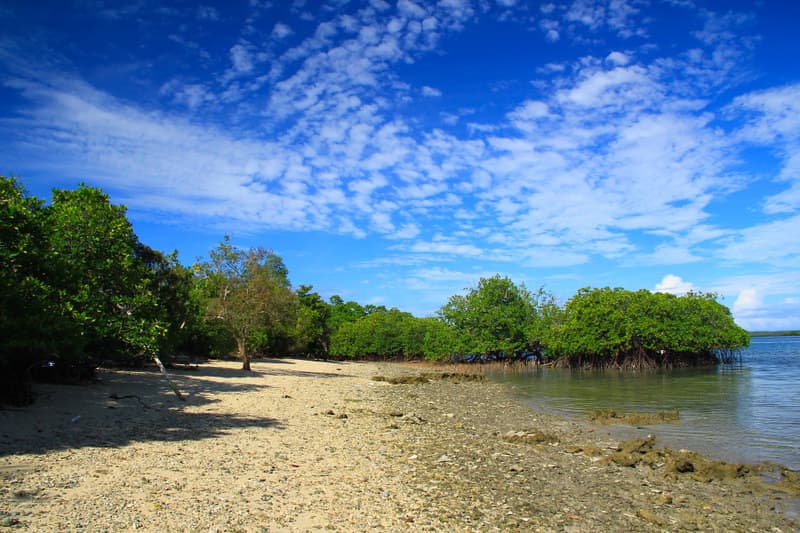
Dodola Island Beach sits an hour by boat from Morotai's main harbor, a sliver of coconut palms and blonde sand surrounded by reefs so intact you'll see parrotfish from the waterline. The beach curves gently along the island's southern edge, where the sand is ground so fine it feels like walking on talc. During midday the shallows glow electric turquoise, a gradient deepening to sapphire where the reef drop-off begins twenty meters out. Morotai remains one of Indonesia's least-trampled corners, a former WWII battleground turned sleepy regency where dive operators outnumber resorts. Dodola attracts snorkelers and day-trippers who spread sarongs beneath the casuarina trees and float for hours in water rarely deeper than your waist. The island itself is small enough to circle in fifteen minutes, but most visitors stake a claim on the main beach and stay put, mesmerized by the clarity. You'll share the sand with occasional fishing boats and local guides who grill skipjack over driftwood coals. There's no Wi-Fi, no beach bar, no lineup of loungers—just the lap of wavelets and the rustle of palm fronds. Pack everything you need for the day; the only infrastructure is the shade.
Places, rentals, tours and events within walking and driving distance of Dodola Island Beach.
Photos
Dodola Island Beach generally offers calm, safe swimming conditions due to its sheltered location and shallow turquoise waters. The white sand gently slopes into the sea, making it suitable for most swimmers. However, always exercise standard ocean safety precautions: avoid swimming during rough weather, stay aware of currents, and supervise children closely. Since this is a relatively remote island destination, there may not be lifeguards on duty. Check local conditions before entering the water and consider swimming during daylight hours when visibility is best.
Dodola Island Beach can be visited year-round, as Morotai experiences consistently warm tropical temperatures. The driest months typically fall between October and April, offering the most reliable sunshine and calm seas ideal for beach activities and island hopping. May through September sees more rainfall, though showers are often brief. Since North Maluku sits outside the main typhoon belt, severe weather is rare. For the best experience with clearer skies and calmer waters, plan your visit during the dry season while being prepared for occasional tropical showers regardless of timing.
Reaching Dodola Island requires flying into Leo Wattimena Airport in Morotai, with connections from major Indonesian cities like Jakarta or Makassar. From Morotai's main island, you'll need to arrange boat transportation to Dodola Island, typically departing from the Daruba area or nearby ports. The boat journey takes approximately 30-45 minutes depending on conditions and departure point. Many visitors book island-hopping tours or arrange private boat transfers through local tour operators or their accommodation. There is no parking on Dodola Island itself, as it's a small, undeveloped island accessible only by boat.
Dodola Island is an uninhabited, pristine island without permanent facilities, restaurants, or accommodation on the island itself. Visitors should bring their own food, water, and supplies for the day. Most travelers stay in hotels or guesthouses in Morotai's main town of Daruba, which offers various lodging options ranging from budget homestays to mid-range hotels. Day tours to Dodola typically include meals or allow you to bring provisions. The lack of development is part of the island's appeal, offering an untouched beach experience, so come prepared with essentials.
Camping on Dodola Island is sometimes possible and offers a unique way to experience this pristine location under the stars. However, since the island is uninhabited and has no facilities, you must be completely self-sufficient, bringing tents, food, water, and all supplies. It's essential to arrange permission and logistics through local authorities or tour operators in Morotai beforehand. Weather conditions can change quickly, so ensure you have proper shelter. Always practice Leave No Trace principles, taking all waste back with you to preserve the island's natural beauty for future visitors.