Counting the waves…
Counting the waves…
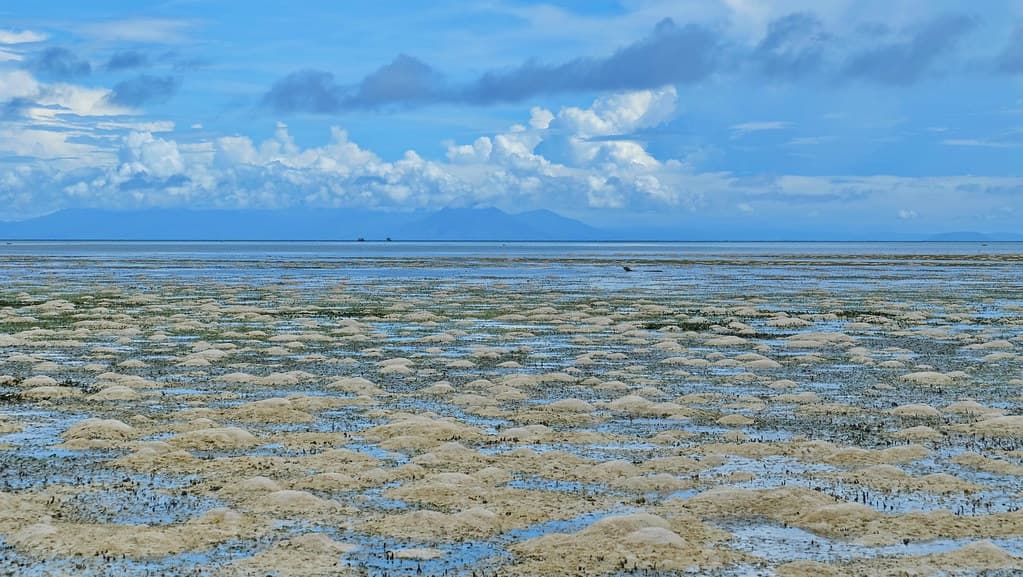
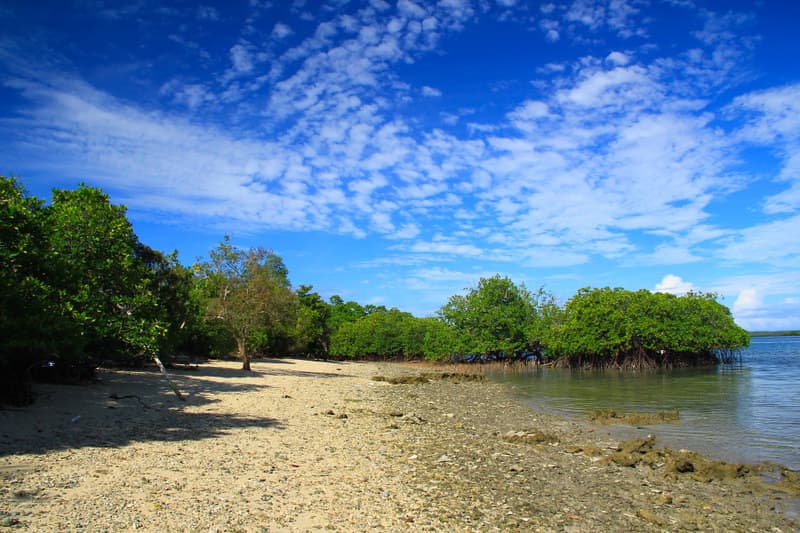
Tabailenge Beach remains almost absurdly off-radar, even by North Maluku standards. You arrive along a rutted coastal track that winds past cassava fields and kampung homes where children wave from porches, and suddenly the jungle opens onto a crescent of sand so pale it reflects the afternoon light like freshly laundered linen. The water graduates from transparent ankle-deep shallows to deepening shades of turquoise, and you can wade out fifty meters before the seafloor drops away. Morotai itself sees few visitors—this island carries more WWII history than tourist infrastructure—which means Tabailenge operates on village time. Local fishermen mend nets beneath casuarina trees at midday, and women collect shellfish along the tide line at dawn. There are no beach clubs, no jet skis, no touts selling sarongs. Just the rhythmic lap of water on a shore that seems to have perfected the art of being overlooked. The year-round tropical climate means you can visit any month, though the calmer seas between April and October make snorkeling particularly rewarding. Bring cash, your own snacks, and a willingness to communicate in gestures—Bahasa Indonesia goes a long way here. When you finally leave, the sand will still be squeaking underfoot, and you'll realize you've barely seen another traveler all day.
Places, rentals, tours and events within walking and driving distance of Tabailenge Beach.
Photos
Tabailenge Beach generally offers calm, swimmable waters suitable for most visitors. The beach is relatively sheltered, though conditions can vary with tides and seasonal weather patterns. As with any remote beach, there are no lifeguards on duty, so swimmers should exercise caution and assess conditions before entering the water. The clear, shallow waters near shore are typically gentle, making it appropriate for families. Always check local conditions and avoid swimming during storms or rough weather. It's advisable to swim during daylight hours and inform someone of your plans.
Tabailenge Beach can be visited year-round due to Morotai's tropical climate, with temperatures consistently warm throughout the year. The driest months typically fall between October and April, offering the most reliable weather for beach activities and clearer skies. May through September can bring more rainfall and occasional rough seas, though sunny periods still occur. Given the beach's remote location, visiting during drier months ensures better road conditions and easier access. Regardless of season, expect warm temperatures and high humidity, so pack accordingly with sun protection and light clothing.
Reaching Tabailenge Beach requires traveling to Morotai Island first, typically by flight to Pitu Airport from major Indonesian cities. From the main town, you'll need to arrange local transportation such as a rental car or motorcycle, as public transport is limited. The beach is located along Morotai's coastal roads, and the journey may involve some unpaved sections depending on conditions. Parking is informal—you can generally park along the roadside near the beach access points. Given the remote nature, hiring a local guide or driver is recommended for first-time visitors.
Tabailenge Beach is quite remote with minimal development directly at the beach itself. Facilities like restrooms, changing rooms, and restaurants are extremely limited or non-existent at the beach. Visitors should bring their own food, water, and supplies for the day. Accommodation options are primarily found in Morotai's main town areas rather than at the beach, ranging from basic guesthouses to small hotels. The lack of commercial development is part of what makes this a hidden gem, but it requires advance planning. Pack out all trash to preserve the pristine environment.
Tabailenge Beach remains relatively undiscovered compared to Indonesia's more famous beaches, offering visitors an authentic, uncrowded experience with pristine white sand and crystal-clear waters. The beach's remote location in North Maluku means it sees few tourists, preserving its natural beauty and tranquil atmosphere. The lack of commercial development means you'll often have long stretches of coastline to yourself, perfect for those seeking solitude and unspoiled tropical scenery. This isolation, combined with Morotai's historical significance and stunning marine environment, makes it a true off-the-beaten-path destination for adventurous travelers.