Counting the waves…
Counting the waves…

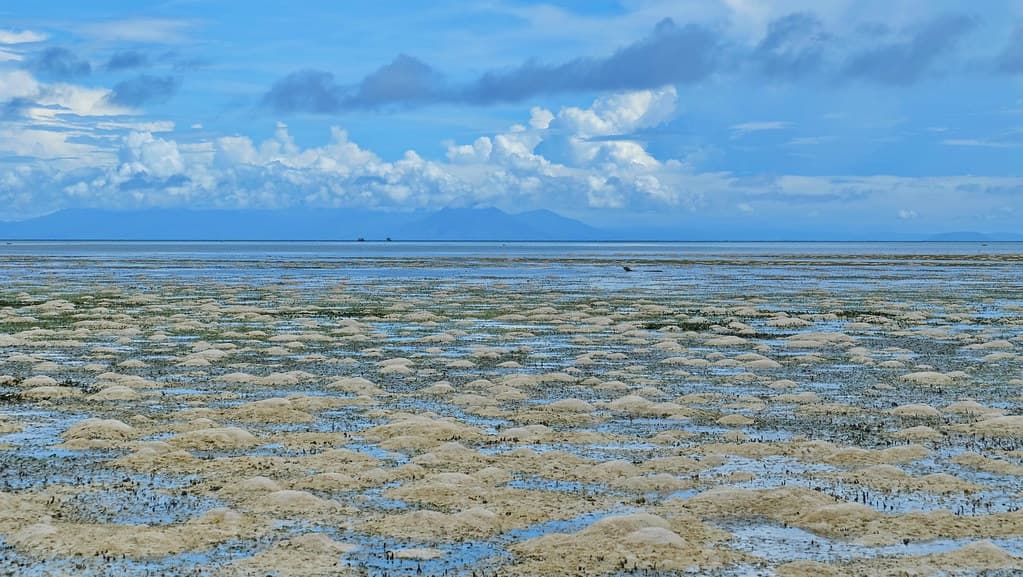
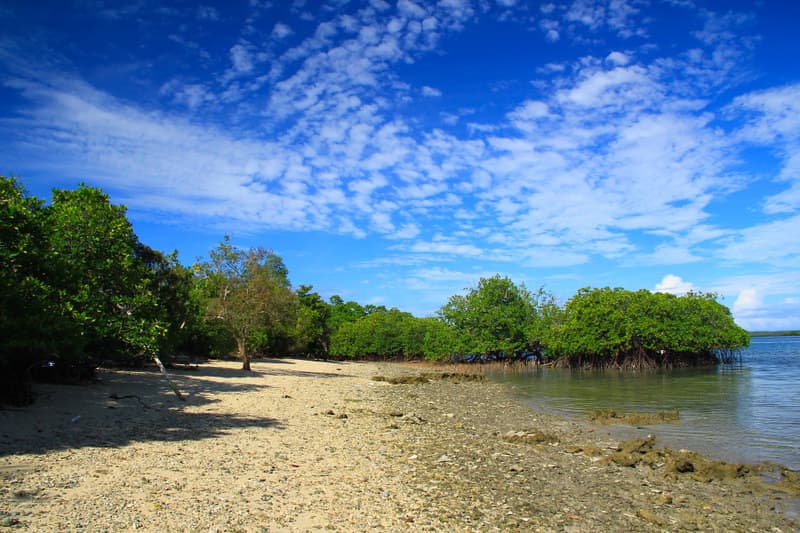
The journey to Sopi Beach tells you everything about why so few travelers make it here. Morotai Island sits at the far northern edge of the Maluku archipelago, a two-hour flight from Ternate followed by a bumpy motorcycle taxi ride along rutted coastal roads. You pass copra drying in the sun and kids kicking soccer balls in village clearings before the forest opens onto a bay so calm it mirrors the sky. The beach itself is a study in restraint: white sand fringed by casuarina pines, waters that deepen gradually from jade to sapphire, and absolutely no infrastructure beyond a single warung where fishermen gather for sweetened coffee. You wade out fifty meters and the sea barely reaches your waist. Snorkeling reveals healthy coral gardens where butterflyfish dart between staghorn formations, undisturbed by the dive boats that never arrive. What Sopi lacks in amenities it offers in solitude. You might share the strand with a handful of villagers gathering clams at low tide or schoolchildren racing into the shallows after class. The sand holds your footprints until the tide erases them, and when you leave, the beach returns to a silence broken only by waves and the distant put-put of a fishing boat heading home.
Places, rentals, tours and events within walking and driving distance of Sopi Beach.
Photos
Sopi Beach generally offers calm, safe swimming conditions typical of protected bays in North Maluku. The beach features gentle waves and clear waters, making it suitable for most swimmers. However, as with any remote beach, exercise standard caution: check local conditions before entering the water, avoid swimming alone, and be mindful of currents during changing tides. There are no lifeguards on duty, so personal responsibility is essential. The beach's remote location means emergency services may be distant, so stay close to shore if you're an inexperienced swimmer.
Sopi Beach can be visited year-round due to Morotai's equatorial climate, with consistent temperatures around 27-30°C. The drier months from October to March typically offer the best conditions with less rainfall and calmer seas, ideal for beach activities. April to September brings more frequent rain showers, though these are often brief and shouldn't deter visitors. The beach remains relatively uncrowded throughout the year due to its remote location. Keep in mind that weather patterns can vary, so checking local forecasts before your trip is advisable for optimal beach enjoyment.
Reaching Sopi Beach requires travelling to Morotai Island first, typically via flights from Ternate or other major Indonesian cities to Morotai Airport. From the airport or your accommodation, you'll need to arrange local transport such as a rental motorbike or car, or hire a driver, as public transport options are limited. The beach is accessible by road, though conditions may vary. Parking facilities at this remote beach are informal—vehicles can typically be parked near the beach area. Given the limited infrastructure, confirming access routes with your accommodation beforehand is recommended.
Sopi Beach is a remote, undeveloped location with very limited facilities directly on-site. You won't find hotels, restaurants, or established amenities at the beach itself. Visitors should plan to stay in Morotai's main accommodation areas and bring their own food, water, and supplies for a beach day. Some basic guesthouses and small hotels exist elsewhere on Morotai Island, primarily near the main town areas. Due to the beach's hidden, low-visibility status, it's essential to come prepared with essentials and arrange meals through your accommodation or pack provisions independently.
Sopi Beach remains one of Morotai's lesser-known destinations, primarily because of its low visibility and remote location away from the island's main tourist circuits. Unlike more accessible beaches, it hasn't been heavily promoted or developed, preserving its natural, unspoiled character. The beach offers visitors a chance to experience pristine coastal beauty without crowds, featuring white sand and clear waters in relative solitude. This hidden status appeals to adventurous travellers seeking authentic, off-the-beaten-path experiences in North Maluku, though it requires more effort and planning to reach than mainstream destinations.