Counting the waves…
Counting the waves…

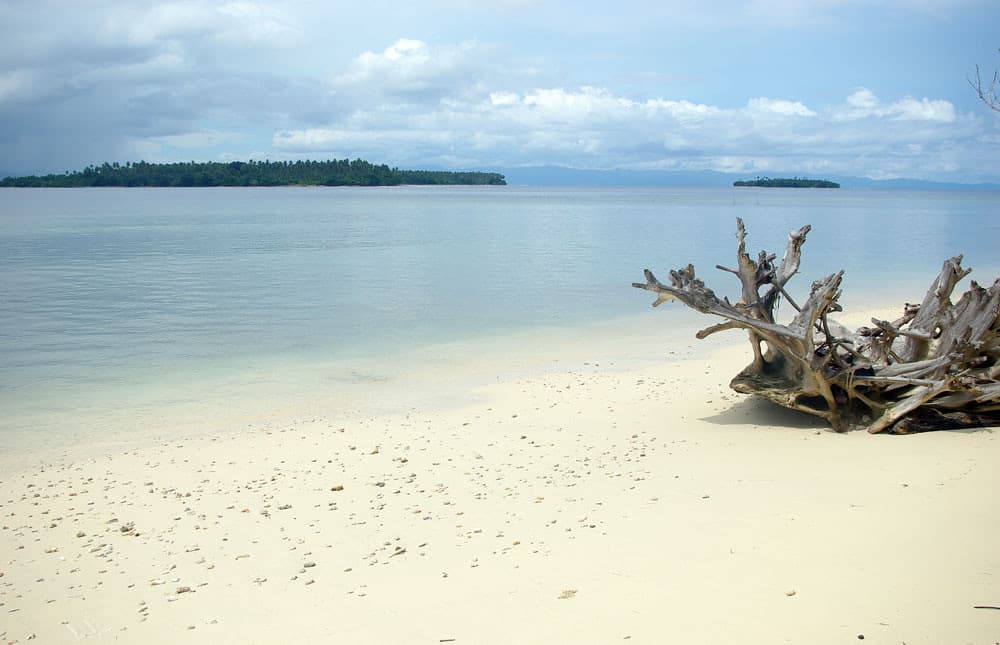
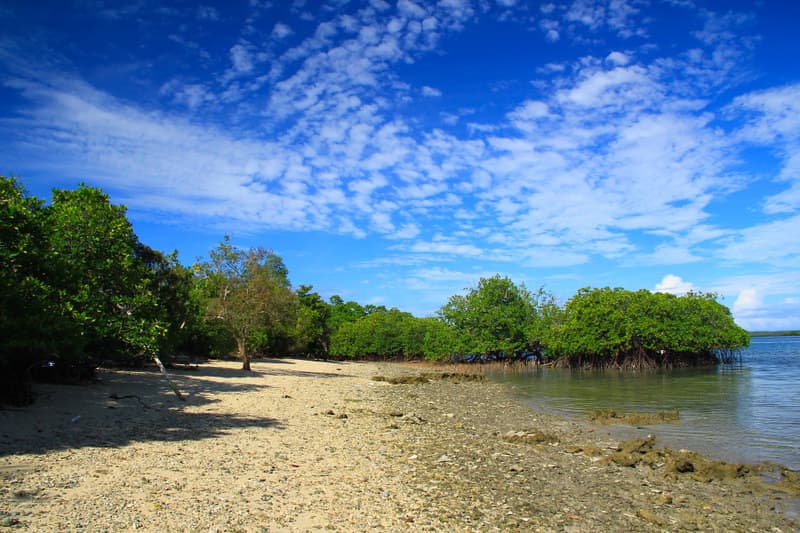
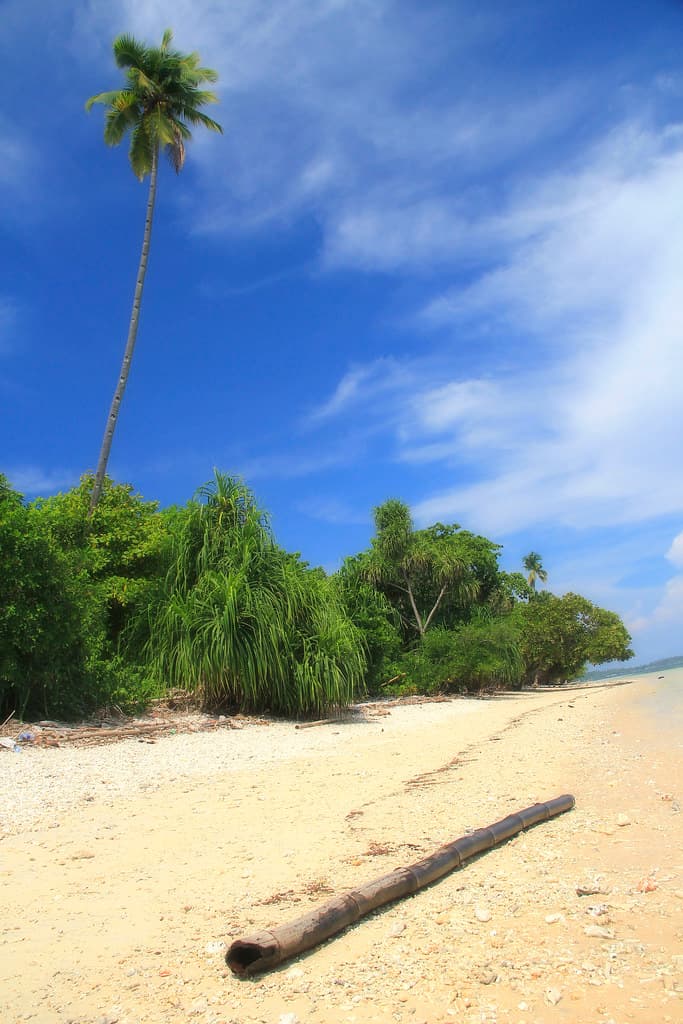
Kakara Island Beach exists in that rare category of Southeast Asian shorelines that haven't yet been discovered by the Instagram set. You arrive by wooden longboat from Tobelo, watching the volcanic silhouette of Halmahera fade behind you as the island emerges—a low-slung ribbon of green fringed with sand so white it glares in the midday sun. The beach curves gently, sheltered by headlands draped in jungle, and the water transitions from pale jade at your ankles to deep sapphire where the reef drops away. There are no beach clubs here, no jet skis slicing the calm. Instead, you'll find a handful of fishermen mending nets in the shade, their boats pulled up on the sand, and perhaps a family from Tobelo who've made the crossing for a Sunday picnic. The shallows extend fifty meters out, warm as bathwater, ideal for floating on your back while frigatebirds wheel overhead. Snorkeling the fringing reef reveals schools of fusiliers and the occasional turtle gliding past sea fans that sway with the current. What makes Kakara compelling isn't drama—no towering cliffs or pounding surf—but its utter removal from the well-worn beach circuit. You'll likely have long stretches of sand to yourself, punctuated only by the need to seek shade beneath a palm when the equatorial sun becomes too insistent. Bring everything you need; there's nothing to buy, and that's precisely the point.
Places, rentals, tours and events within walking and driving distance of Kakara Island Beach.
Photos
Kakara Island Beach generally offers calm, swimmable waters suitable for most visitors. The beach is relatively sheltered, creating favorable swimming conditions. However, always assess current conditions upon arrival, as waters can change with weather and tides. There are typically no lifeguards on duty, so exercise caution and avoid swimming alone. Check with local guides or your accommodation about recent conditions. The beach's remote location means medical facilities are distant, so take standard precautions. Avoid swimming during rough weather or strong currents, and stay within your comfort level.
Kakara Island Beach can be visited year-round due to North Maluku's tropical climate, though conditions vary seasonally. The drier months from October to April generally offer the most reliable weather with calmer seas and clearer skies, ideal for beach activities. May through September brings occasional rain and rougher conditions, though visits are still possible. Temperatures remain consistently warm throughout the year. Since this is a hidden beach with few visitors, you'll likely find peace and solitude regardless of season. Check weather forecasts before traveling, especially for boat transfers.
Reaching Kakara Island Beach requires a boat journey from Tobelo, as the beach is on a small island off North Maluku's coast. From Tobelo town, you'll need to arrange transportation to a departure point, then hire a local boat for the island crossing. The journey typically takes 30-60 minutes depending on sea conditions and departure location. There's no regular ferry service, so you'll need to charter a boat through local operators, hotels, or tour guides. Parking isn't applicable for the island itself, but you can leave vehicles at the mainland departure point.
Kakara Island Beach has minimal facilities due to its remote, undeveloped nature. There are no established restaurants or hotels directly on the island. Visitors should base themselves in Tobelo town, where basic guesthouses and local restaurants serve Indonesian cuisine. Plan day trips to the beach and bring your own food, water, and supplies. Some tour operators may arrange beach picnics or basic meals as part of organized trips. The lack of development is part of the beach's hidden charm, but requires advance preparation for a comfortable visit.
Kakara Island Beach stands out for its pristine, undeveloped character and relative isolation compared to more accessible North Maluku beaches. The island location creates an exclusive, castaway-like experience with fewer visitors and unspoiled natural beauty. White sand beaches meet crystal-clear waters ideal for snorkeling, often revealing vibrant coral and marine life without crowds. The journey itself becomes part of the adventure, filtering out casual beachgoers. This hidden gem offers authentic tranquility and natural splendor increasingly rare in Indonesia's better-known beach destinations, perfect for travelers seeking off-the-beaten-path experiences.