Counting the waves…
Counting the waves…
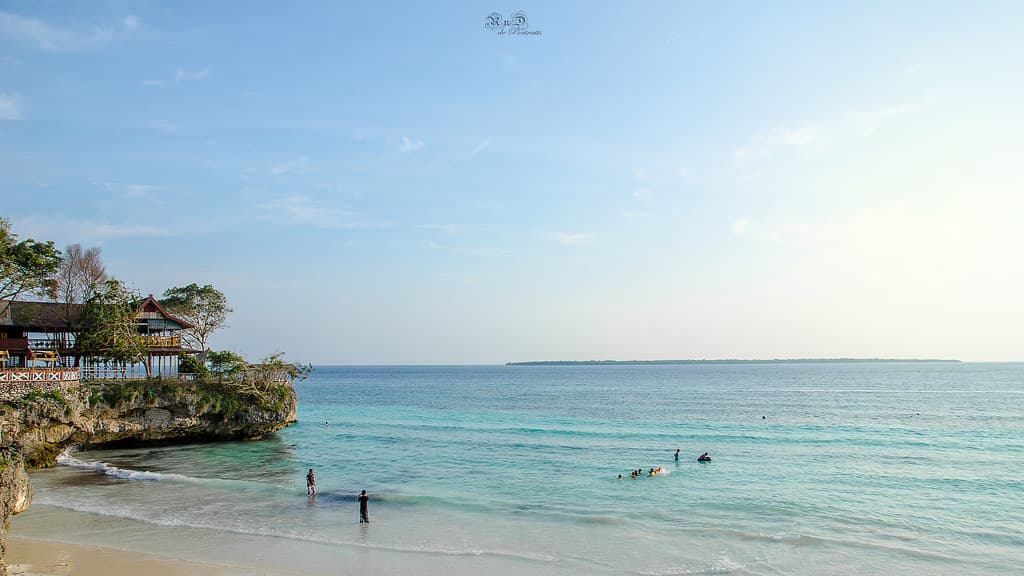
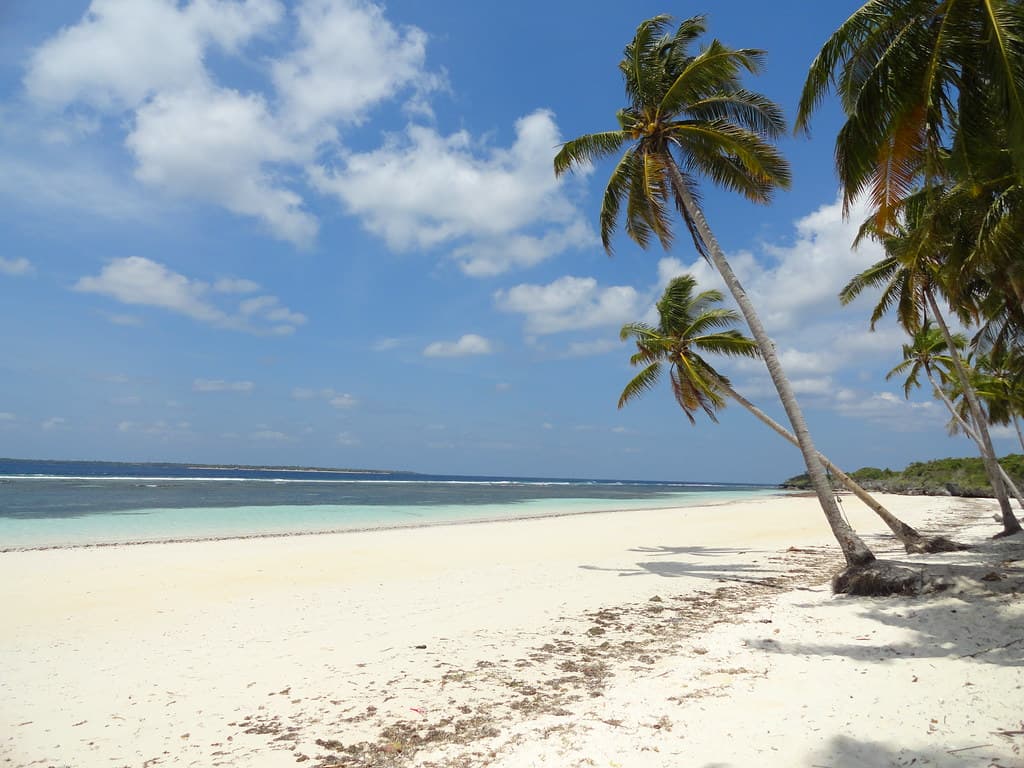
Appalarang unfolds two hours south of Makassar, tucked into Bulukumba's rugged coastline where most travelers race past on their way to Selayar. The beach forms a near-perfect arc between two limestone promontories, their weathered faces dotted with scrub and the occasional eagle nest. Walk barefoot along the firm, pale sand and you'll pass wooden outriggers pulled high above the tide line, their hulls painted in fading reds and blues, nets drying in loose coils. The water here stays calm most of the year, protected by offshore reefs that break the Indian Ocean swells into lazy ripples. Wade out fifty meters and the seafloor remains visible—sand dollars, the occasional urchin, small parrotfish darting between coral heads. By mid-morning, a handful of local families arrive with coolers and sarongs, staking claim to the shade beneath the casuarinas. A single warung at the north end grills snapper over coconut husks and serves it with sambal that stings your lips. You won't find sun loungers or tour buses. What you will find is space—long stretches where the only sound is the rhythmic slap of water against hulls and the distant call to prayer drifting from the village mosque. The light here turns amber an hour before sunset, gilding the cliffs and casting long shadows across the empty sand.
Places, rentals, tours and events within walking and driving distance of Appalarang Beach.
Photos
Appalarang Beach generally offers calm swimming conditions due to its protected bay location, though conditions vary with tides and seasons. The beach features gentle waves suitable for casual swimming, but always check local conditions before entering the water. There are typically no lifeguards on duty, so swimmers should exercise caution and avoid venturing too far from shore. The seabed is relatively sandy with some rocky areas, so water shoes are recommended. Ask locals about current conditions, as underwater currents can occasionally strengthen during monsoon periods.
Appalarang Beach can be visited year-round, with the dry season from April to October offering the most reliable weather. During these months, expect sunny skies and calmer seas ideal for swimming and beach activities. The wet season (November to March) brings occasional heavy rainfall and rougher waters, though mornings are often clear. Weekdays are significantly quieter than weekends when local families visit. Early mornings provide the best light for photography and cooler temperatures. Consider visiting during the shoulder months of April or September for pleasant weather with fewer crowds.
Appalarang Beach is located approximately 190 kilometers south of Makassar, requiring a 4-5 hour drive through Bulukumba Regency. From Bulukumba town, follow local roads toward the coastal areas; hiring a local driver or guide is recommended as signage can be limited. The route includes winding coastal roads with scenic views. Basic parking is available near the beach, though facilities are minimal at this relatively undeveloped location. Most visitors arrange transportation through their accommodation in Bulukumba or hire a private car from Makassar for the day trip.
Appalarang Beach has limited facilities directly at the beach, reflecting its status as a hidden, less-developed destination. Small warungs (local food stalls) occasionally operate nearby, serving simple Indonesian dishes and fresh seafood, though availability isn't guaranteed. For reliable dining and accommodation, stay in Bulukumba town about 30-40 minutes away, which offers guesthouses, small hotels, and local restaurants. Visitors should bring drinking water, snacks, and sun protection, as amenities at the beach itself are basic. The nearest substantial facilities are in Bulukumba's town center.
Appalarang Beach stands out for its undeveloped, secluded character compared to more commercialized beaches in South Sulawesi. The beach offers an authentic, off-the-beaten-path experience with minimal tourist infrastructure, attracting visitors seeking tranquility and natural beauty without crowds. Its dramatic coastal landscape, featuring rocky outcrops and pristine white sand, remains largely untouched by development. The low visibility and limited promotion mean you'll likely share the beach with only local fishermen and occasional domestic tourists. This remoteness provides a genuine glimpse of traditional coastal life in South Sulawesi.