Counting the waves…
Counting the waves…

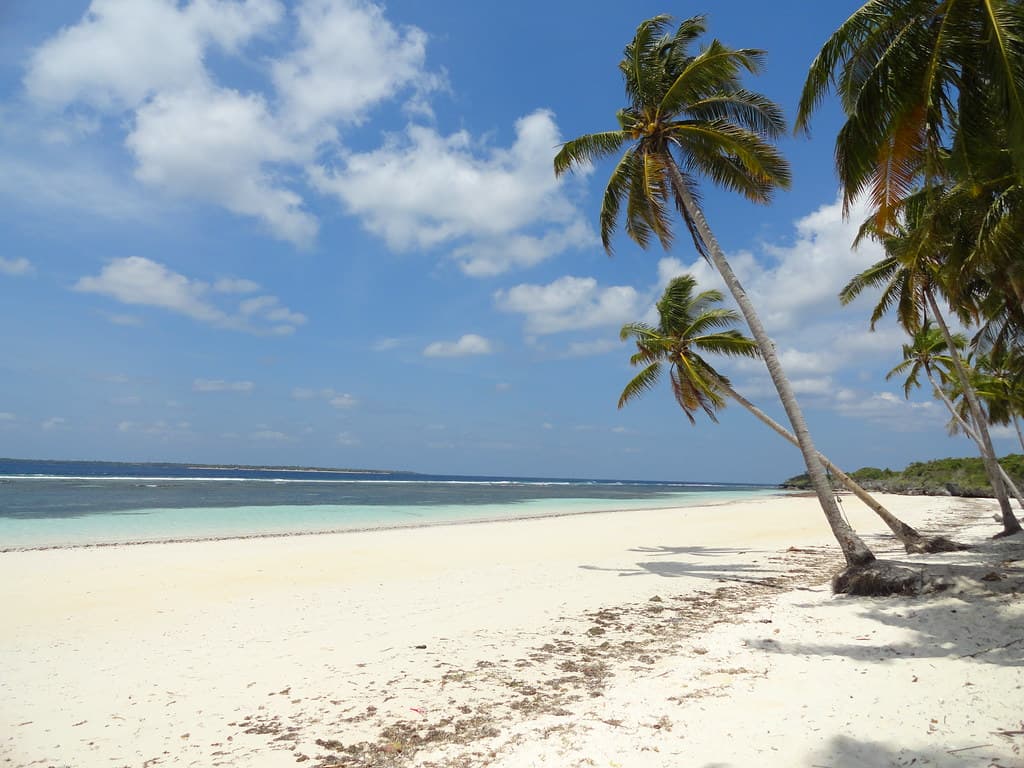
The drive from Makassar unspools through tobacco fields and fishing villages before the road narrows and drops you at the tip of Sulawesi's tail. Here, the Flores Sea laps against a beach that curves like a scimitar, its sand composed of pulverized coral bleached bone-white by centuries of sun. You'll notice the silence first—no jet skis, no beach clubs, just the rhythmic slap of outriggers being dragged to shore and the calls of boat builders hammering teak ribs in open-air workshops behind the palms. The water demands your attention. Wade in waist-deep and peer down: your toes remain visible through three meters of liquid turquoise, the sandy bottom rippling like silk. Snorkelers drift above coral gardens just beyond the swimming zone, while dive boats motor toward offshore sites where schools of barracuda spiral in the current. By late afternoon, the light turns golden, illuminating the wooden skeletons of half-built phinisi—the two-masted schooners that have defined Sulawesi's seafaring culture for generations. Ashore, a loose string of guesthouses and warungs caters to the trickle of Indonesian weekenders and the occasional European who's done their homework. You'll eat grilled snapper within sight of the boats that caught it, sleep to the sound of waves filtering through woven bamboo walls, and wake to a beach empty enough that your footprints feel like an intrusion.
Places, rentals, tours and events within walking and driving distance of Tanjung Bira Beach.
Photos
Tanjung Bira Beach is generally safe for swimming, with calm, clear turquoise waters and gentle waves most of the year. The beach features soft white sand and a gradual slope into the water, making it suitable for families and swimmers of various skill levels. Conditions are calmest during dry season months. However, always check local conditions before entering the water, as currents can occasionally strengthen during monsoon periods. Basic lifeguard services may be limited, so swim cautiously and stay aware of your surroundings.
Tanjung Bira Beach can be visited year-round, but the best time is during the dry season from April to October, when you'll enjoy sunny skies, calm seas, and minimal rainfall. Peak travel months are July and August. The wet season from November to March brings occasional rainfall, though storms are typically brief. Waters remain warm throughout the year. Visit on weekdays to avoid crowds, as the beach is popular with domestic tourists on weekends and Indonesian holidays.
Tanjung Bira Beach is located about 200 kilometers south of Makassar, approximately a 5-6 hour drive. Most visitors rent a car or hire a driver from Makassar, as this offers the most flexibility. Public buses to Bulukumba are available from Makassar's Malengkeri Terminal, followed by a local minibus to Bira. The journey involves winding coastal roads with scenic views. Parking is available near the beach at various points, though facilities vary. Many resorts offer parking for guests.
Tanjung Bira Beach has a good selection of accommodation ranging from budget guesthouses to mid-range beach resorts, many offering beachfront locations. Most hotels are clustered along the main beach area. You'll find numerous seafood restaurants and warungs (local eateries) serving fresh grilled fish and Indonesian dishes at reasonable prices. Basic amenities like small shops and rental services for snorkeling gear are available. More extensive facilities require traveling to Bulukumba town, about 40 kilometers away.
Yes, island hopping is one of Tanjung Bira's highlights. Local boat operators offer trips to nearby islands including Pulau Liukang and Pulau Kambing, known for excellent snorkeling and diving with vibrant coral reefs and marine life. Tours typically include multiple stops and snorkeling equipment. Boats can be arranged through hotels or directly with operators on the beach. Trips usually last half-day or full-day, with prices varying by group size and destinations. The area's clear waters make it ideal for exploring offshore islands.