Counting the waves…
Counting the waves…

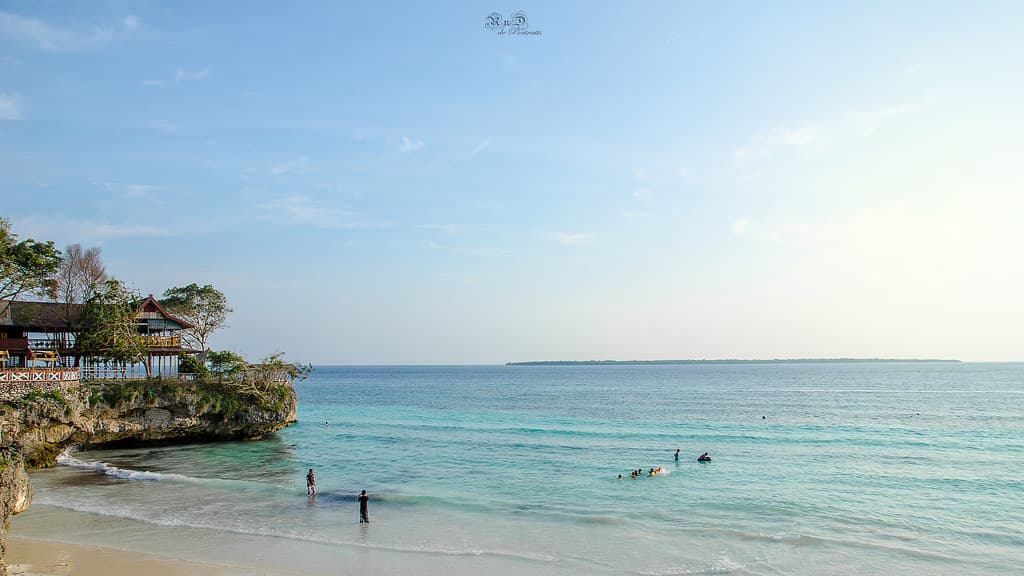
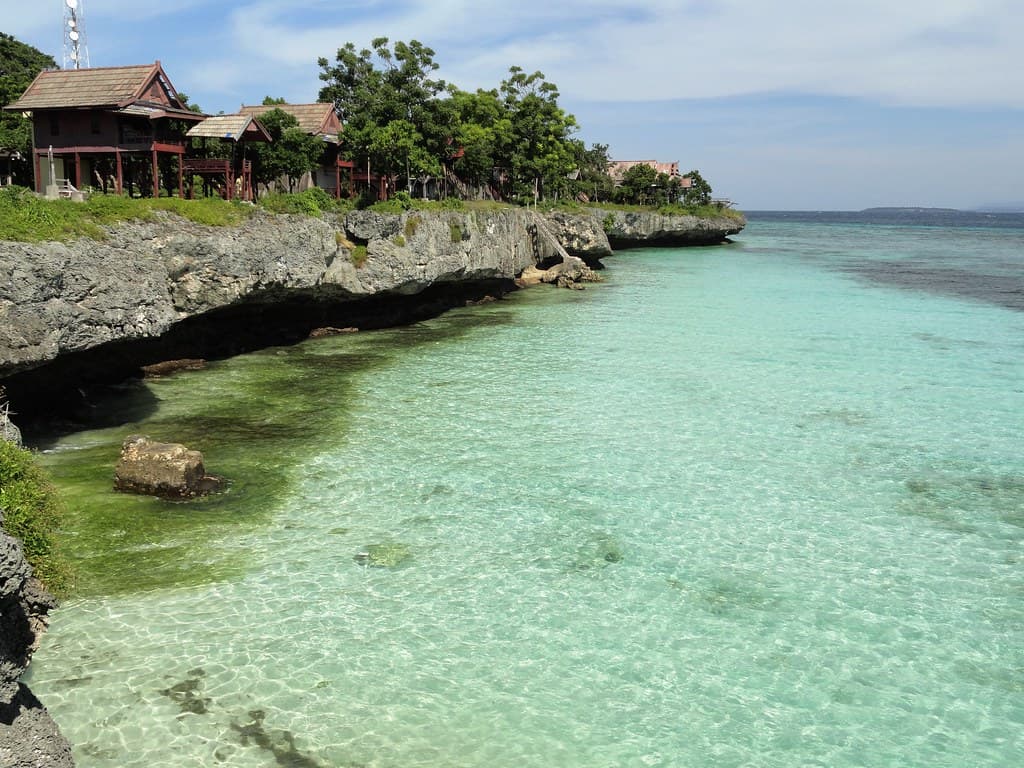
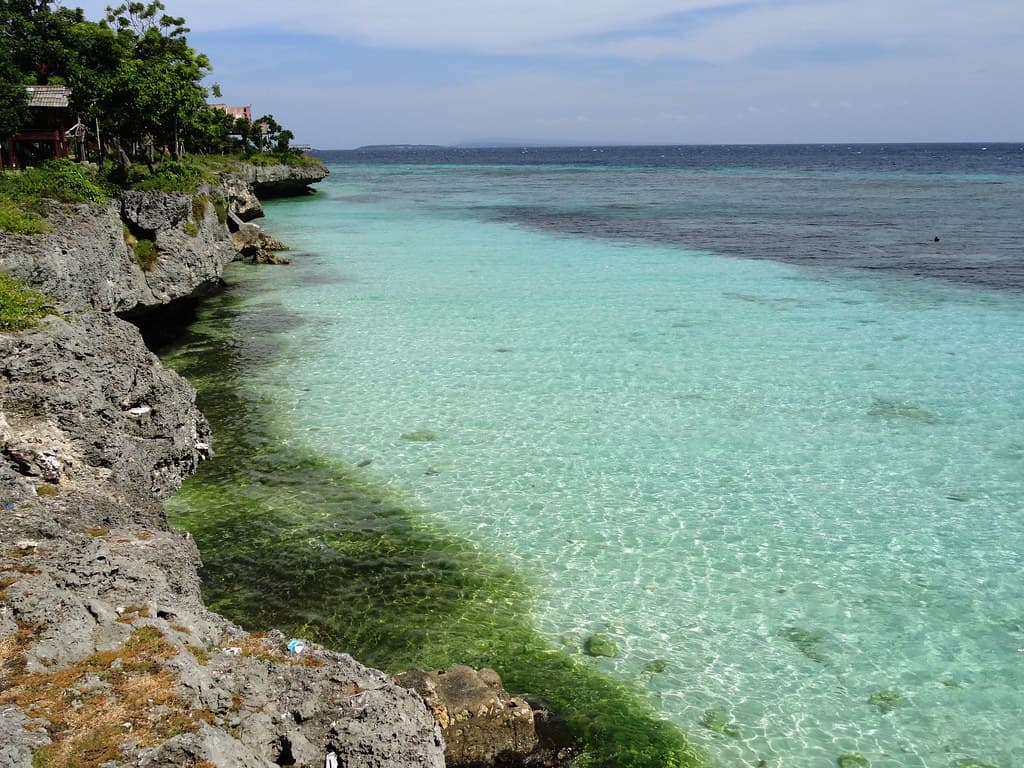
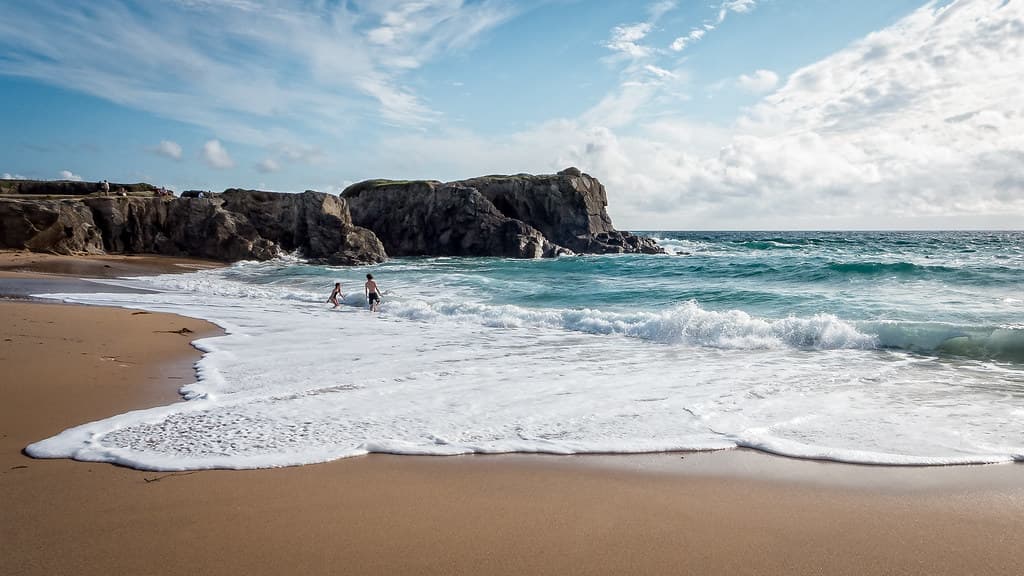
The drive from Bulukumba town curves through rice paddies before depositing you at a wide bay flanked by karst formations that glow amber in afternoon light. Bara Beach unfolds in a generous crescent, its sand compacted firm enough for impromptu soccer matches between fishermen's children. Local vendors stake out prime spots beneath coconut palms, selling es kelapa muda from coolers buried in sand. You'll wade far into the shallows before the water reaches your chest—the gradual depth makes swimming feel more like floating in a warm bath. By four o'clock, photographers begin claiming their positions along the western edge, where volcanic rocks jut from the sand like sculpture. The sky shifts through tangerine and violet as outrigger boats cross the horizon, their silhouettes sharp against the dimming light. Weekends bring Makassar residents with popup tents and thermoses of sweet tea, transforming the beach into an informal campground. Weekdays offer quieter stretches, though the warungs remain open, grilling fresh tuna and serving it with sambal that stings your lips. The limestone cliffs at the southern end hide small caves accessible at low tide, their walls cool and damp, offering respite when midday heat becomes oppressive.
Places, rentals, tours and events within walking and driving distance of Bara Beach.
Photos
Bara Beach generally offers safe swimming conditions, though waves can vary throughout the year. The beach features gently sloping white sand and relatively calm waters during dry season months. However, always exercise caution as currents can strengthen during monsoon periods and at high tide. There are no lifeguards on duty, so swimmers should stay alert and avoid venturing too far out. Check local conditions before entering the water, and if waves appear rough, enjoy the beach from shore instead.
Bara Beach can be visited year-round, but the best conditions typically occur during Indonesia's dry season from April to October. These months offer sunny skies, calmer seas, and ideal conditions for beach activities. The wet season (November-March) brings occasional rain but fewer crowds. For stunning sunset views—one of Bara Beach's highlights—visit during clear evenings in the dry season. Weekdays tend to be quieter than weekends when locals visit. Early mornings and late afternoons provide the most comfortable temperatures for beach activities.
Bara Beach is located approximately 160 kilometers south of Makassar, South Sulawesi's capital, requiring a 3-4 hour drive through Bulukumba Regency. You can reach it by rental car, motorcycle, or hire a private driver from Makassar. The journey follows coastal roads with scenic views. There is parking available near the beach entrance, accommodating both cars and motorcycles. Public transportation options are limited, so private vehicles are recommended. The access road is paved, making the beach relatively easy to reach compared to other remote Indonesian beaches.
Basic amenities are available at Bara Beach, including small warungs (local food stalls) selling Indonesian snacks, fresh coconuts, and simple meals like grilled fish and nasi goreng. For more extensive dining and accommodation options, the town of Bulukumba (about 20 kilometers away) offers guesthouses, hotels, and restaurants. Some visitors prefer staying in Bulukumba and making Bara Beach a day trip. Facilities at the beach itself remain relatively undeveloped, so bring cash as card payments may not be widely accepted.
Bara Beach is renowned for its powdery white sand and exceptional sunset views over the Indian Ocean, making it one of South Sulawesi's most photographed coastal spots. Unlike the busier beaches near Makassar, Bara maintains a more tranquil, undeveloped atmosphere. The beach stretches considerably, offering plenty of space even during peak times. Its location facing west provides unobstructed sunset panoramas that attract both photographers and couples. The combination of pristine sand, relative seclusion, and dramatic evening skies distinguishes Bara from more commercialized alternatives.