Counting the waves…
Counting the waves…

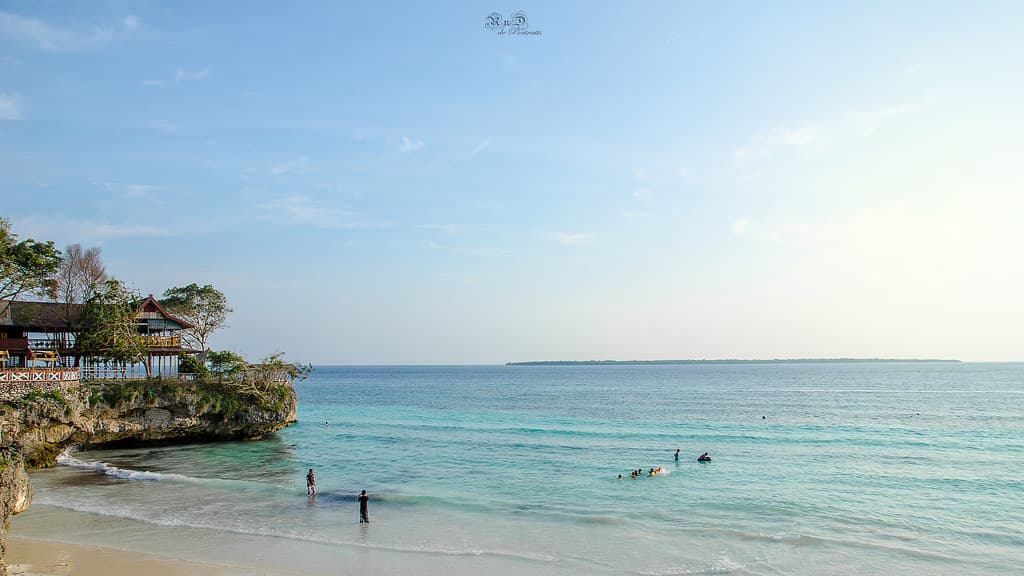
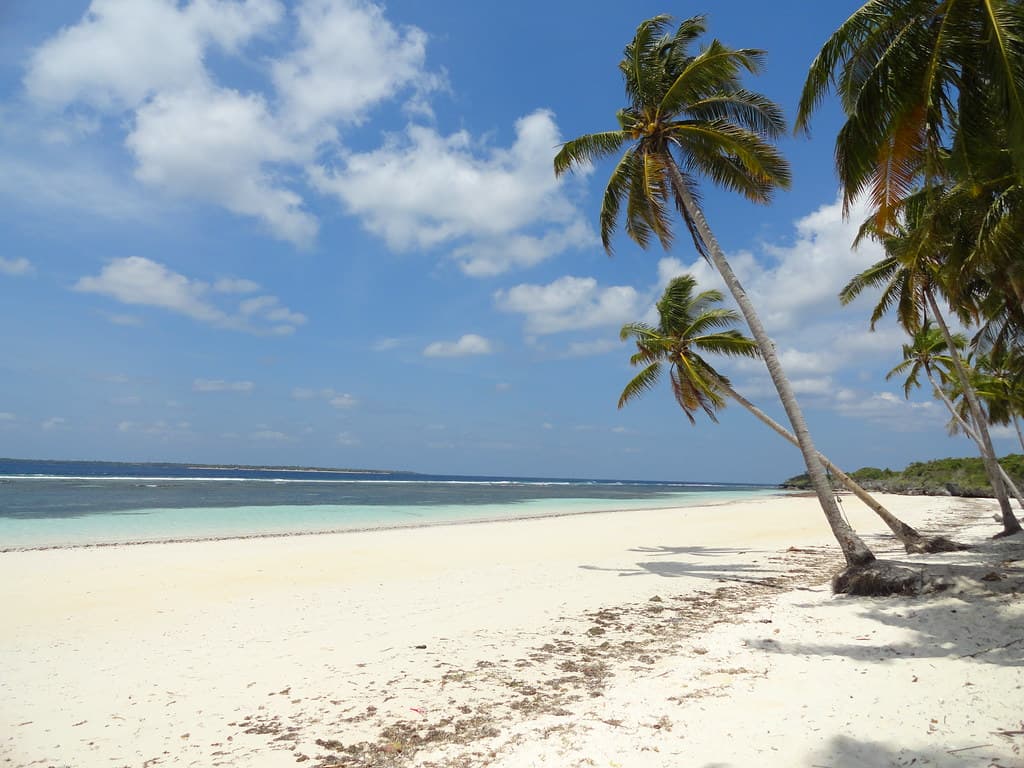
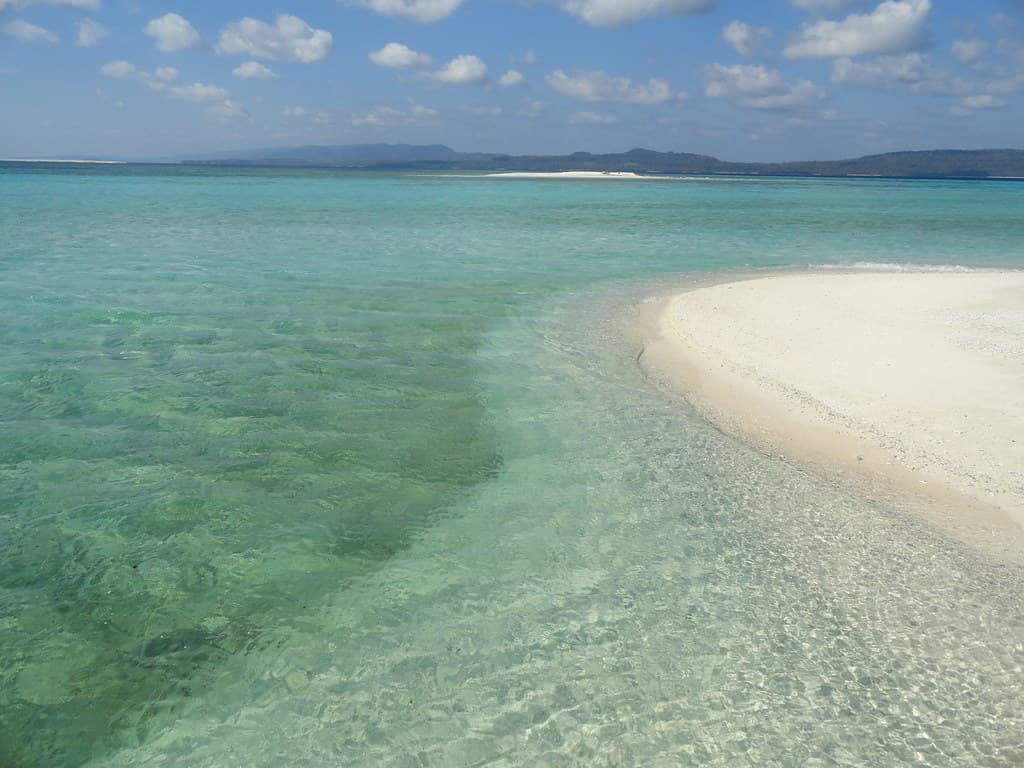
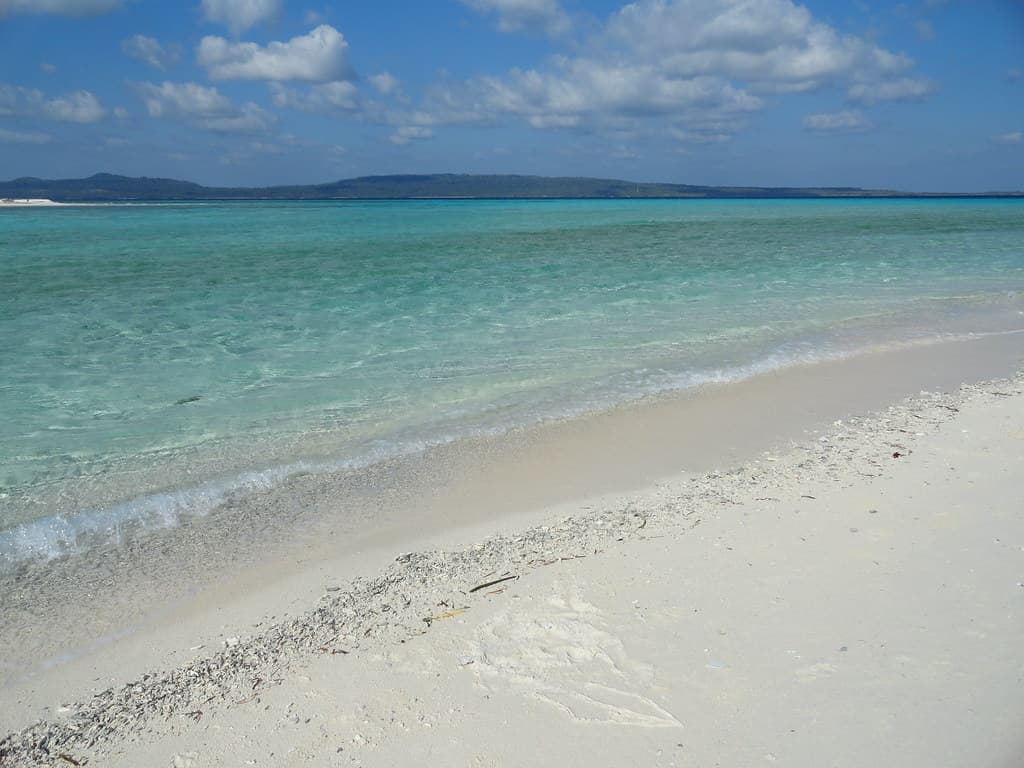
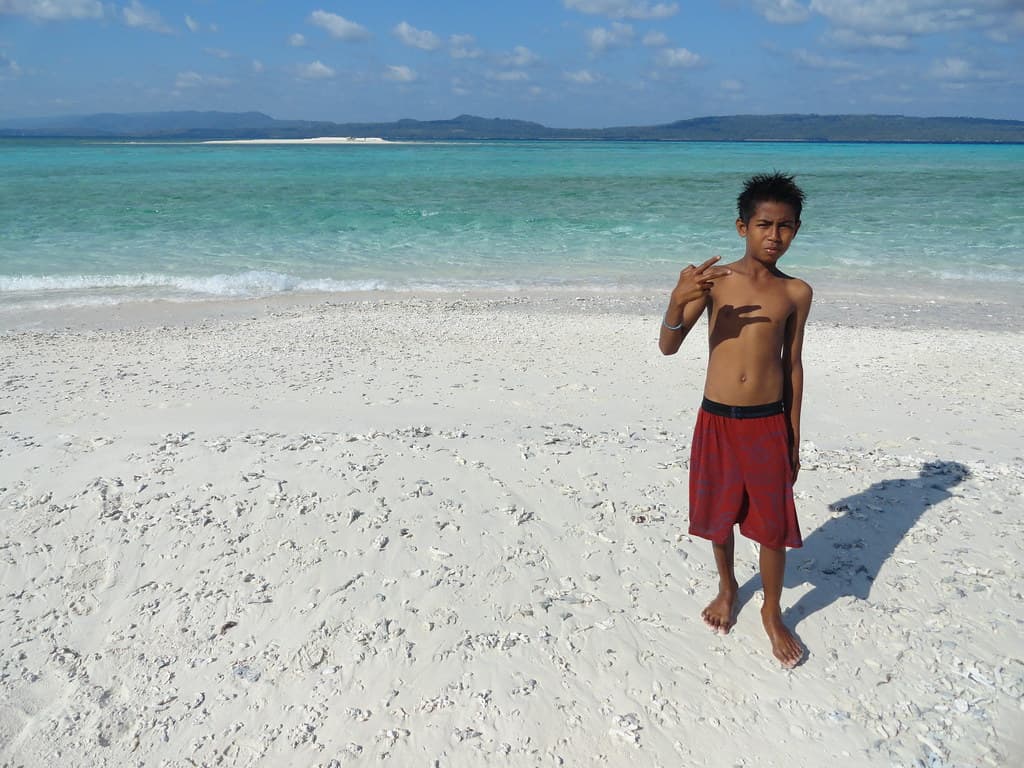
The crossing from Makassar takes seven hours by ferry, and that distance acts as a filter. By the time you reach Selayar's northern coast, the crowds have thinned to a handful of divers and Indonesian families on holiday. The beach curves gently, its sand a mix of coral fragments and volcanic gray, warm underfoot even in the early morning. Fishermen mend nets in the shade of tamarind trees, and outrigger canoes rest on their sides, hulls bleached by salt and sun. Beneath the surface, the real geography reveals itself. The island sits on the edge of a continental shelf, and within a short swim from shore, the seabed drops away into blue nothing. Reef fish hover in schools above table corals and sea fans that sway with the current. You'll see hawksbill turtles grazing on sponges, and if you're lucky, a passing pod of spinner dolphins cutting through the channel. Onshore, life moves to the rhythm of the tide. Mornings bring vendors selling pisang epe—grilled bananas smashed flat and drizzled with palm sugar—and afternoons slow to a halt under the weight of equatorial heat. By evening, the light turns golden, the kind that makes even the most ordinary coconut husk look like something worth photographing. There's no boardwalk, no resorts with infinity pools. Just sand, sea, and the knowledge that you've found one of the last places that hasn't been packaged for easy consumption.
Places, rentals, tours and events within walking and driving distance of Selayar Beach.
Photos
Selayar Beach generally offers safe swimming conditions, with calm, clear waters typical of the Selayar Islands. The beaches face relatively protected waters, reducing strong currents in most areas. However, conditions vary by location and season, so always check with locals or your accommodation before entering the water. Some areas have coral reefs close to shore, which provide excellent snorkeling but require careful navigation. Wear water shoes to protect against sharp coral and sea urchins. During monsoon periods, waves and currents can strengthen, so exercise caution and avoid swimming during storms.
Selayar Beach can be visited year-round due to its tropical climate, with temperatures consistently warm. The dry season from April to October generally offers the best conditions, with calmer seas, clearer skies, and optimal visibility for snorkeling and diving. The wet season (November to March) brings occasional rain showers and rougher seas, though these are often brief and don't typically disrupt travel plans significantly. Water temperatures remain comfortable throughout the year. For the calmest seas and best underwater visibility, plan your visit between May and September.
Reaching Selayar Beach requires a combination of flights and ferry travel. Fly to Makassar (Sultan Hasanuddin International Airport) in South Sulawesi, then travel approximately 3 hours south to Bira or Bulukumba port. From there, take a ferry to Selayar Island (approximately 2-3 hours). Ferries run daily, though schedules can be irregular. Once on Selayar Island, local transportation like ojeks (motorcycle taxis) or rental motorbikes can take you to specific beaches. Some visitors arrange private boat charters. The journey requires planning and patience, as connections aren't always seamless.
Selayar Island offers modest accommodation options, primarily concentrated in the main town of Benteng and scattered along coastal areas. You'll find basic guesthouses, small hotels, and a few beachfront bungalows rather than large resorts. Amenities are relatively simple compared to more developed Indonesian beach destinations. Local warungs (small restaurants) serve Indonesian cuisine, particularly fresh seafood. Most accommodations can arrange meals if you're staying in remote beach areas. It's advisable to bring cash, as ATMs are limited and card payment isn't widely accepted. Book accommodation in advance during peak season.
Selayar Island is renowned for exceptional diving and snorkeling, with pristine coral reefs, dramatic walls, and abundant marine biodiversity. The Takabonerate Atoll, accessible from Selayar, is one of the world's largest atolls and offers spectacular underwater experiences. Waters around Selayar feature healthy hard and soft corals, diverse fish species, sea turtles, and occasionally larger pelagics. Visibility is typically excellent, especially during dry season. Several dive operators on the island cater to both beginners and experienced divers. The relatively undeveloped nature of Selayar means reefs remain healthier than in more tourist-heavy areas.