Counting the waves…
Counting the waves…
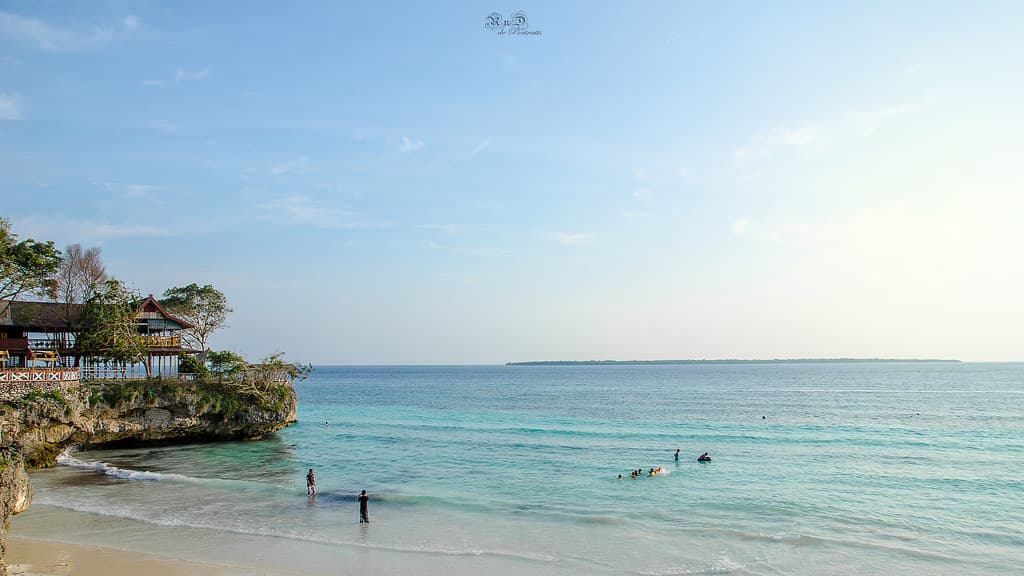
The ferry from Makassar deposits you in a different tempo—one measured by the scrape of outriggers on sand and the rhythm of fishermen mending nets beneath coconut palms. Tinabo Beach unfurls along Selayar's quieter eastern coast, a crescent where the Flores Sea laps at bleached coral rubble and powdery white sand. You'll walk past wooden boats painted turquoise and ochre, their hulls warm from the sun, and notice how the water shifts from pale jade to deep sapphire within a few strokes. The reef starts abruptly, close enough that you can wade out with mask and fins and find yourself suspended over table corals and schools of fusiliers. Local fishermen launch at dawn and return by mid-morning with catches of red snapper and squid, sometimes pausing to point you toward the better snorkeling spots where the drop-off begins. A single warung serves *ikan bakar* with sambal so sharp it makes your eyes water, the fish charred over coconut husks and served with rice on metal plates. Selayar remains overlooked, caught between Makassar's urban sprawl and the famous dive sites of Wakatobi. That oversight is Tinabo's advantage. You'll have long stretches of sand to yourself, interrupted only by the occasional motorbike hauling ice to the boats or children hunting for cowries in the shallows. The casuarina trees offer the only shade, their needles carpeting the sand in rust-colored drifts.
Places, rentals, tours and events within walking and driving distance of Tinabo Beach.
Photos
Tinabo Beach generally offers calm, clear waters suitable for swimming, particularly during dry season months. The beach features gentle waves and a gradual slope, making it accessible for most swimmers. However, conditions can vary with weather and tides, so always assess water conditions upon arrival. There are limited lifeguard services in this remote location, so swim cautiously and stay close to shore if you're unfamiliar with the area. Snorkeling is also popular here due to good visibility and coral formations near the beach.
Tinabo Beach can be visited year-round due to its tropical climate, but the dry season from April to October offers the most reliable weather with calmer seas and less rainfall. Peak conditions typically occur between May and September when skies are clearest and water visibility is best for snorkeling. The wet season (November to March) brings occasional heavy showers but fewer visitors. Since the Selayar Islands remain relatively undiscovered, you'll find peaceful beaches even during peak months, unlike more touristy Indonesian destinations.
Reaching Tinabo Beach requires multiple transport stages. First, fly to Makassar (Sultan Hasanuddin Airport) in South Sulawesi. From Makassar, take a ferry from Bira Port (approximately 4-5 hours drive south) to Pamatata Port in Selayar, which takes roughly 2-3 hours. Alternatively, small aircraft occasionally fly from Makassar to Selayar's Aroeppala Airport. Once on Selayar Island, hire a local driver or rent a motorbike to reach Tinabo Beach. The journey is challenging but rewards you with an uncrowded, pristine destination.
Tinabo Beach has very limited tourist infrastructure as it remains largely undeveloped. Accommodation options are basic, typically consisting of simple guesthouses or homestays in nearby villages where you can arrange meals with local families. Don't expect beachfront resorts or restaurants directly at Tinabo. The main town of Benteng, Selayar's capital, offers more lodging choices and eateries, though still modest by resort standards. Bring cash, as ATMs and card facilities are scarce. Many visitors prefer this authentic, uncommercialized experience that characterizes the Selayar Islands.
Tinabo Beach remains off most tourist radars due to the Selayar Islands' remote location far south of Sulawesi's mainland. The multi-stage journey requiring ferries or small aircraft deters casual visitors who prefer easier-access destinations like Bali or Lombok. Limited tourism infrastructure, minimal online presence, and lack of international marketing mean few travelers even know it exists. This isolation has preserved Tinabo's pristine condition and authentic local culture. For adventurous travelers seeking untouched Indonesian beaches without crowds, this obscurity is precisely Tinabo's appeal.