Counting the waves…
Counting the waves…

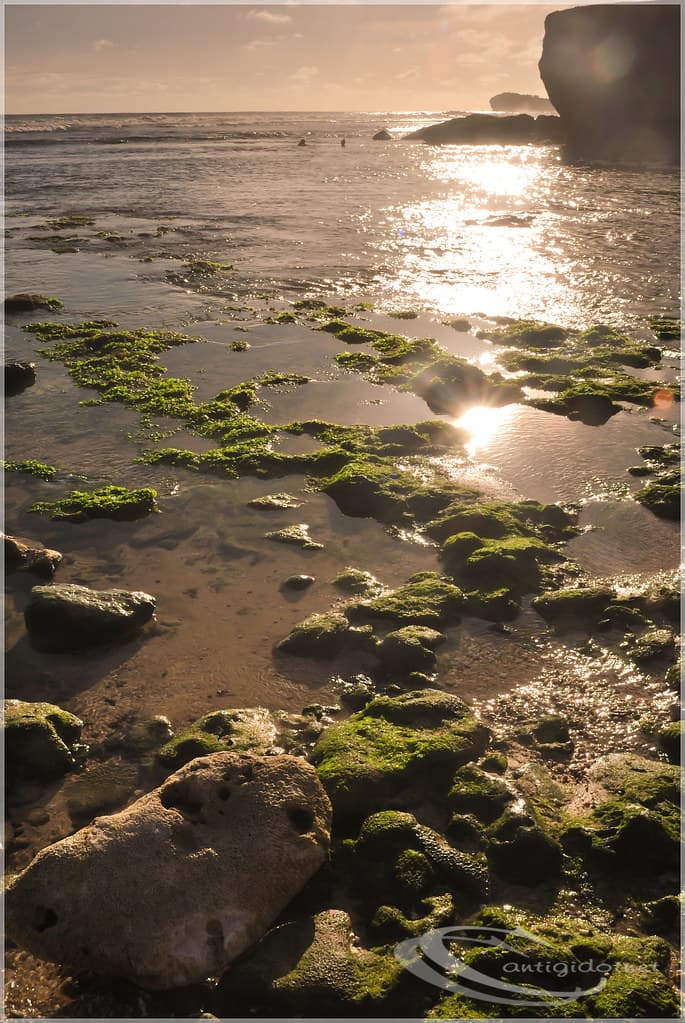
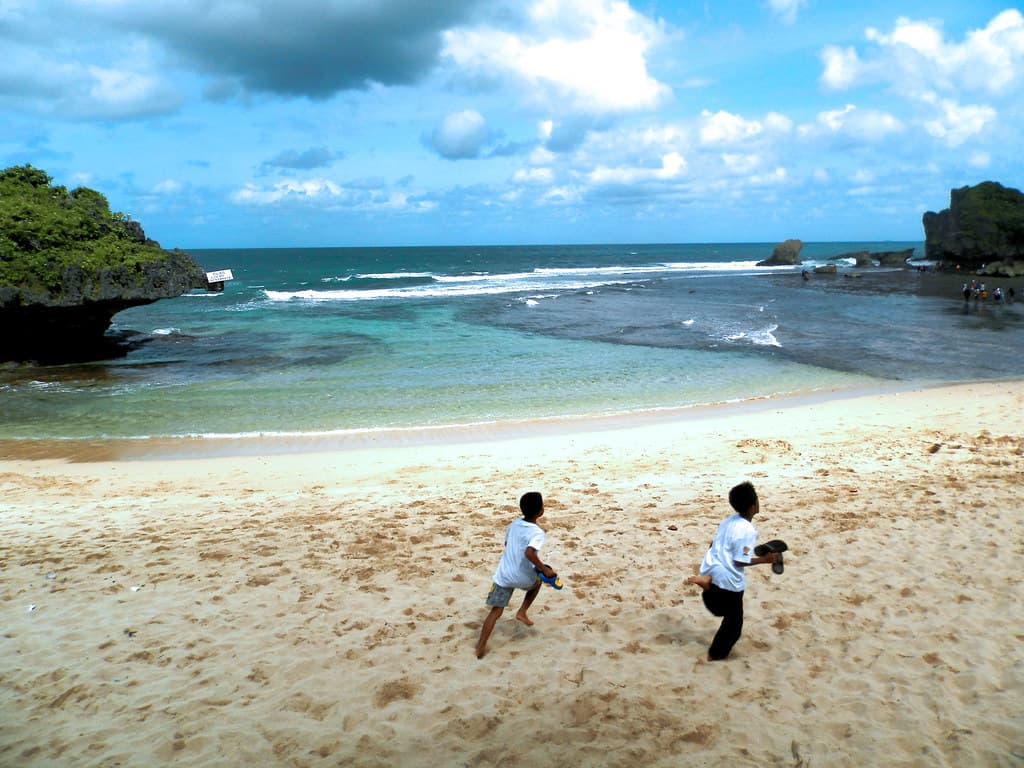
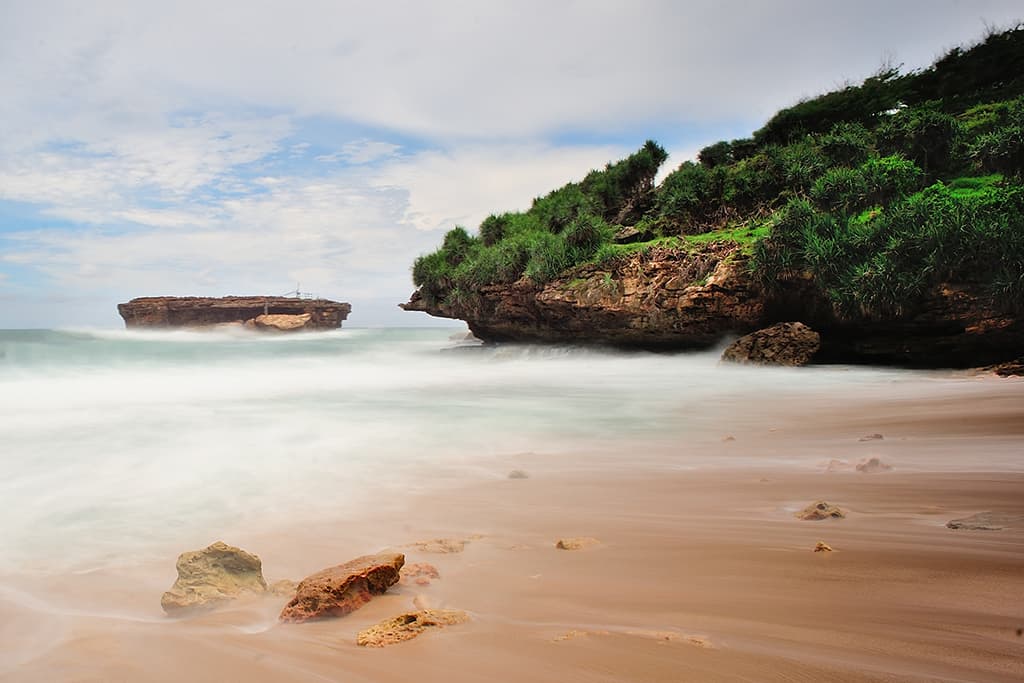
Parangtritis unfurls along Yogyakarta's southern coastline in a sweep of charcoal-gray sand that stretches wider than any beach you've likely encountered in Southeast Asia. The waves here pound with authority, drawing their power from uninterrupted swells that roll across the Indian Ocean, and the undertow has earned enough respect that locals place warning signs in multiple languages. Dunes rise behind the beach like small mountains, their windswept ridges carved into shapes that shift with each monsoon season. The beach carries weight beyond its physical presence. In Javanese cosmology, this shoreline belongs to Nyai Roro Kidul, the Queen of the South Sea, and you'll notice visitors avoiding green clothing out of deference to her legendary preference for that color. Goa Tapakan cave punctures the western headland, its entrance darkened by centuries of ritual offerings, while paragliders launch from the cliffs above, their canopies bright against the haze that softens the horizon most afternoons. As the sun descends, the entire beach reorients toward the west. Families claim spots on rented mats, couples lean against their parked motorbikes, and the andong horses—adorned with bells and tassels—stand quietly between runs. The light turns copper, then rose, gilding the foam of each retreating wave before the sky darkens and the food stalls switch on their fluorescent bulbs, ready for the evening crowd.
Places, rentals, tours and events within walking and driving distance of Parangtritis Beach.
Photos
Swimming at Parangtritis Beach is generally not recommended due to strong currents, sudden waves, and unpredictable undertows that have caused drownings. The beach lacks lifeguards in most areas, and local authorities advise against entering the water beyond ankle depth. The powerful Indian Ocean waves make it dangerous even for experienced swimmers. Instead, visitors enjoy the beach for its scenic beauty, sunsets, horseback riding, and ATV adventures. Always heed warning signs and local advice for your safety.
Parangtritis Beach is accessible year-round, though the dry season (April to October) offers the most comfortable weather with less rainfall and clearer skies. Late afternoon visits are particularly popular for spectacular sunset views over the Indian Ocean. Weekdays tend to be less crowded than weekends when locals flock to the beach. The wet season (November to March) brings occasional heavy rains but fewer tourists. Early morning visits provide cooler temperatures and opportunities to see local fishing activities.
Parangtritis Beach is approximately 27 kilometers south of Yogyakarta city center, about a 45-60 minute drive. You can hire a private car or taxi (expect to pay around 300,000-400,000 IDR round trip), rent a motorbike, or join organized tours. Trans Jogja bus route 1A goes partway, requiring a transfer. Parking is available near the beach for 5,000-10,000 IDR for motorbikes and 15,000-25,000 IDR for cars. The road is well-paved and straightforward to navigate.
Parangtritis offers various dining and accommodation options. Beachfront warungs (small restaurants) serve fresh seafood, Indonesian dishes, and drinks at budget-friendly prices. The main area has several food stalls selling local snacks like bakpia and fried seafood. Accommodation ranges from basic guesthouses to mid-range hotels, many within walking distance of the beach. Budget options start around 150,000-300,000 IDR per night. Public restrooms and changing facilities are available for small fees. Nearby villages offer additional dining options.
Parangtritis Beach is steeped in Javanese mythology about Nyai Roro Kidul, the mystical Queen of the Southern Sea. Local legend warns against wearing green clothing to the beach, as the Queen favors this color and may pull wearers into the ocean. Many Javanese people still respect this tradition. The nearby Parangkusumo area features a sacred stone and cave where the Sultan of Yogyakarta historically performed meditation rituals to honor the Queen, a practice maintaining spiritual significance today.