Counting the waves…
Counting the waves…
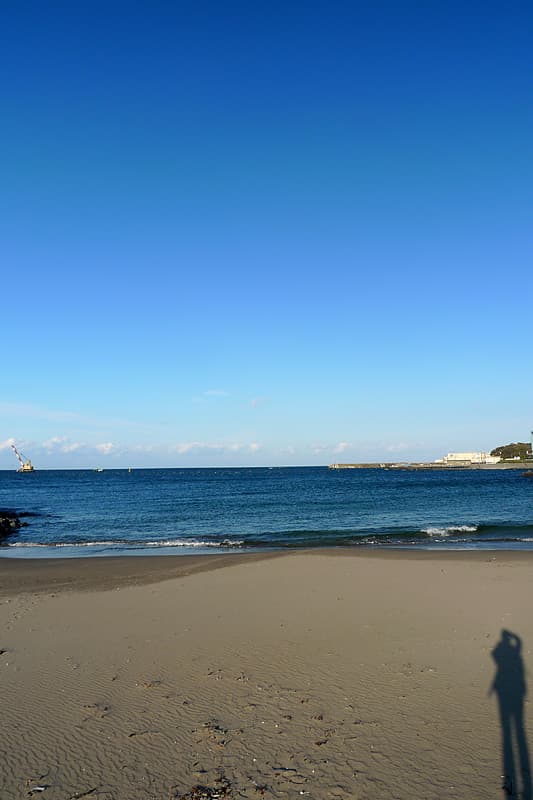
The Pacific slaps against weathered tetrapods where Samegawa Beach curves around the river's wide mouth, blending industrial working waterfront with accessible shoreline. You're close enough to Hachinohe's port infrastructure to hear crane engines echo across the water, yet the beach itself holds a lived-in charm—older men cast lines from the seawall, schoolchildren poke at tide pools during low water, and joggers trace the paved coastal path that ribbons north toward pine-dotted headlands. The sand here runs charcoal-dark, flecked with shell fragments and river sediment carried from inland Aomori. Winter winds bite hard off the ocean, but the beach remains open and walkable through every season, drawing bundled-up photographers in January and families with coolers come July. The river's influence means water clarity shifts with rain and snowmelt, yet that same freshwater current attracts seasonal runs of salmon and trout that bring anglers to the shore in autumn. You won't find resort umbrellas or rental shacks—Samegawa Beach serves as neighborhood commons rather than tourist draw. Vending machines dispense hot coffee near the parking area, and the seafood restaurants lining nearby Route 45 smoke mackerel and grill squid caught from these very waters. It's the kind of shore where you watch working trawlers return at dusk, their lights bobbing against the Shimokita Peninsula's distant silhouette.
Places, rentals, tours and events within walking and driving distance of Samegawa Beach.
Photos
Swimming conditions at Samegawa Beach require caution due to its location near the Samegawa River mouth, where currents can be unpredictable. The mixing of river and ocean waters creates variable conditions that may not be ideal for swimming. Always check local conditions and posted warnings before entering the water. The beach is more popular for walking, fishing, and scenic views rather than swimming. If you plan to swim, stay close to shore and avoid areas near the river outlet where currents are strongest.
Samegawa Beach can be visited year-round, with each season offering different experiences. Summer (July-August) provides the warmest weather for beach activities, though it can be humid. Spring and autumn offer pleasant temperatures and fewer crowds, ideal for walking and photography. Winter visits reveal a different beauty with dramatic coastal scenery, though temperatures drop significantly. The beach's urban location means it's accessible regardless of season, but dress appropriately for Aomori's variable climate and check weather forecasts before visiting.
Samegawa Beach is located in Hachinohe city, accessible by public transportation or car. From JR Hachinohe Station, you can take a local bus toward the port area or taxi (approximately 15-20 minutes). If driving, the beach is easily reached via local roads near the Samegawa River mouth area. Parking availability varies by location along the beach, with some free parking areas typically found near the waterfront. The urban setting means street parking may be an option, but check local signage for restrictions.
Being in an urban area of Hachinohe, Samegawa Beach has good access to amenities. You'll find restaurants, convenience stores, and cafes within walking distance or a short drive, offering local Aomori seafood and Japanese cuisine. Basic beach facilities may be limited directly on the beach itself. For accommodations, Hachinohe city center offers various hotels and guesthouses within a few kilometers. The nearby port area often has fresh seafood markets and dining options featuring the region's marine specialties.
Samegawa Beach's position at the Samegawa River mouth creates a unique coastal ecosystem where freshwater meets the Pacific Ocean. This confluence attracts diverse bird species and creates distinctive scenic views, particularly at sunset. The river mouth geography shapes the beach's character, with interesting tidal patterns and wildlife viewing opportunities. Local anglers frequent the area due to fish attracted to the mixing waters. The urban-nature contrast, with the river, ocean, and city backdrop, offers photographers and nature observers a different perspective from typical remote beaches.