Counting the waves…
Counting the waves…

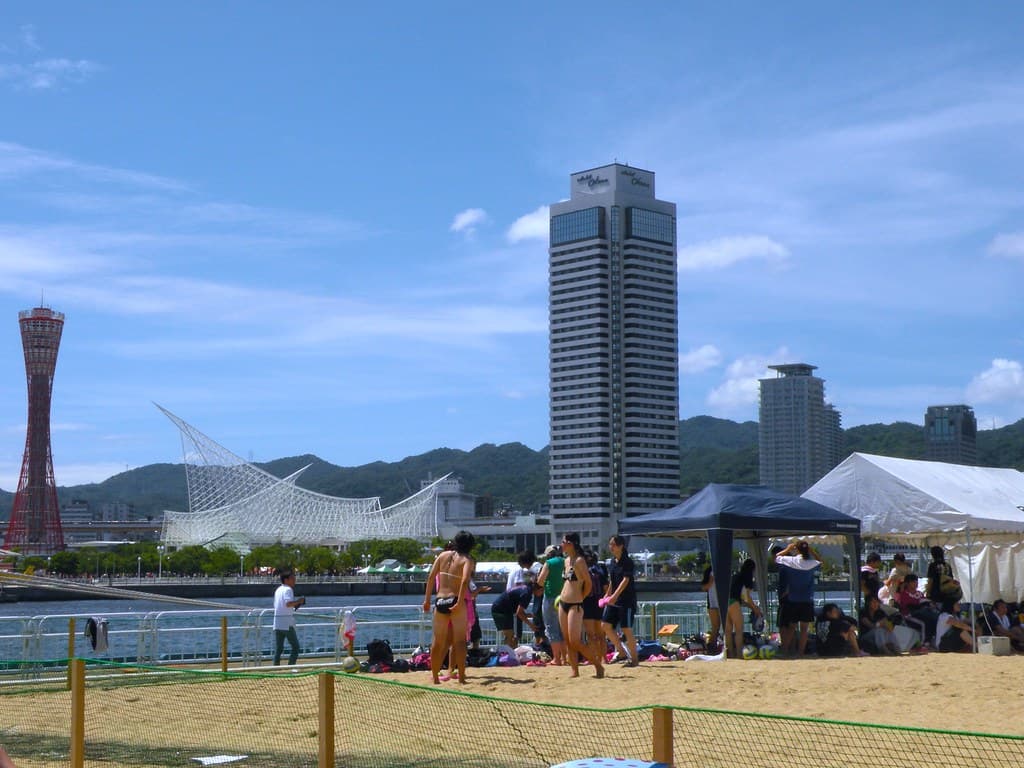
The drive north from Sapporo takes forty minutes, but the moment you pass the dune grass and see families anchoring beach tents against the steady ocean wind, you've crossed into a different summer. Aso Beach spreads wide and accommodating, its dark sand textured by tide lines and crisscrossed by children chasing receding waves. Lifeguards perch on white towers from late June through August, scanning swimmers who brave the kelp-chilled water that rarely warms past 20 degrees Celsius. The beach hums with a workmanlike joy—coolers unpacked, volleyball nets strung, elderly couples walking the firm sand at the waterline in sun hats and windbreakers. Behind the beach, facilities cluster efficiently: shower blocks, changing rooms, a handful of seasonal food stalls grilling Hokkaido corn and dispensing soft-serve. You won't find boutique beach clubs or imported sun loungers. Instead, you'll find what Hokkaido families have come here for decades to claim: space, simplicity, and the particular satisfaction of an ocean swim cold enough to make your teeth chatter. The beach empties by September, when winds turn metallic and the Sea of Japan asserts its darker moods. But in high summer, under skies that seem impossibly wide after Sapporo's skyline, Aso Beach becomes the city's shared backyard—a place where urban Hokkaido remembers what it means to face the ocean and feel small, cold, and briefly free.
Places, rentals, tours and events within walking and driving distance of Aso Beach.
Photos
Aso Beach is generally safe for swimming during the supervised summer season, typically from July to August, when lifeguards are on duty. The beach features calm, shallow waters suitable for families and children. However, swimming outside the designated season is not recommended due to cold water temperatures and lack of supervision. Always check local conditions before entering the water, as Hokkaido's coastal waters can be chilly even in summer. Follow posted safety signs and stay within marked swimming areas for the safest experience.
The best time to visit Aso Beach for swimming and beach activities is during summer, particularly July and August, when temperatures are warmest and facilities are fully operational. During these months, average temperatures reach 20-25°C (68-77°F), though water remains cooler than mainland Japan beaches. Outside summer, the beach offers scenic walks and sunset views year-round, with spring and autumn providing pleasant weather for strolling. Winter visits are possible but expect cold, windy conditions typical of Hokkaido's coastal climate.
Aso Beach is located approximately 30 kilometers north of Sapporo city center. By car, take National Route 231 along the coast; the journey takes about 40-50 minutes. Free parking is available near the beach, with capacity for several hundred vehicles, though it can fill quickly on summer weekends. Public transportation options include JR trains to Ishikari-Tobetsu Station, followed by a local bus or taxi. During peak summer season, some tour operators offer direct bus services from Sapporo.
Aso Beach offers seasonal beach houses (umi-no-ie) during summer that serve light meals, snacks, and cold drinks. Basic facilities include public restrooms, changing rooms, and shower areas. Several restaurants and seafood eateries are located within walking distance, specializing in fresh local catches. For accommodation, most visitors stay in nearby Ishikari town or return to Sapporo, as beachfront lodging is limited. Convenience stores are available a short drive away for supplies and refreshments.
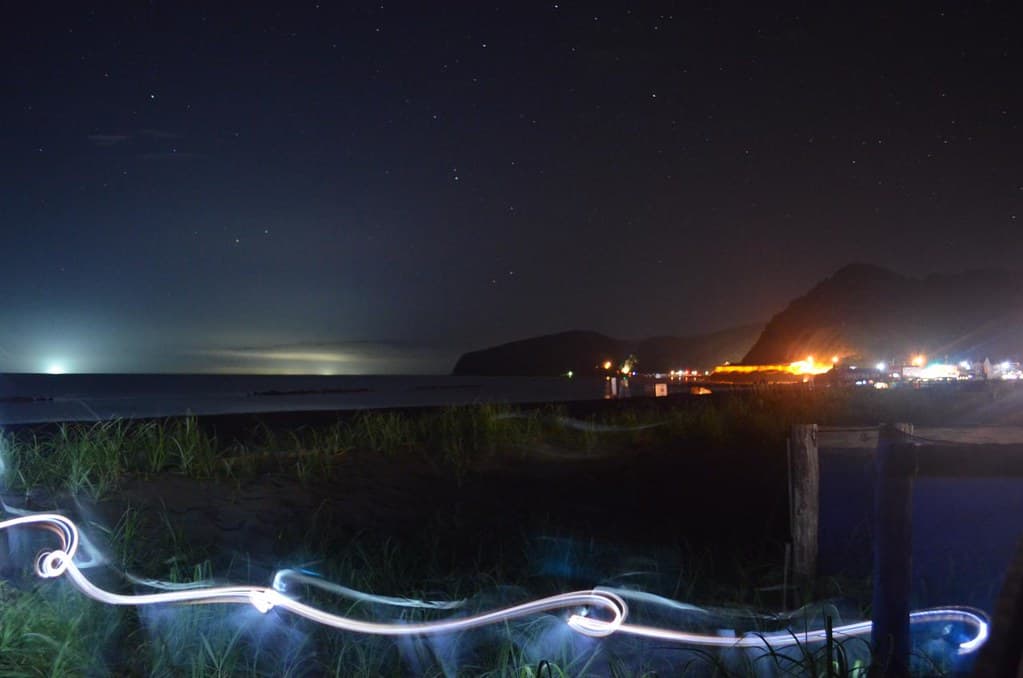
Yes, Aso Beach is renowned for spectacular sunsets over the Sea of Japan, making it a popular evening destination even outside swimming season. The western-facing coastline provides unobstructed views of the sun setting into the ocean, with the best viewing typically from late afternoon onwards. Photographers particularly favor the combination of sunset colors reflecting off the water and silhouetted fishing boats. The beach's relatively low development preserves these panoramic views, offering some of Hokkaido's most accessible and photogenic coastal sunsets near Sapporo.