Counting the waves…
Counting the waves…
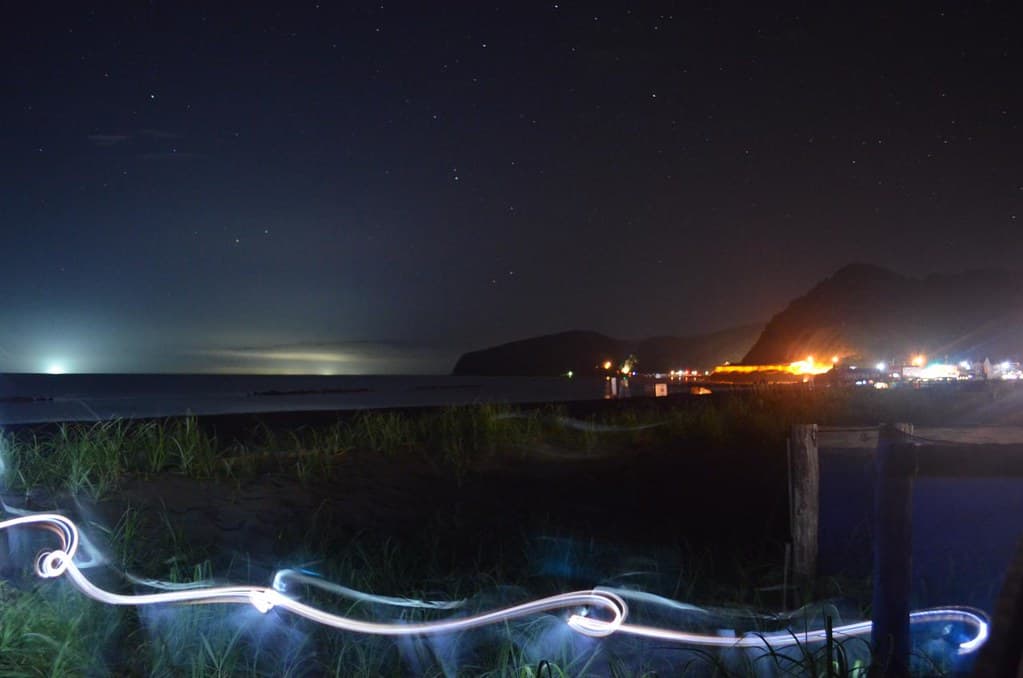
You'll find Kawashimo Beach where the Ishikari River meets the Sea of Japan, a narrow crescent of charcoal-hued sand that local families claim on weekends and office workers visit during lunch breaks. The beach sits in the shadow of Sapporo's northern suburbs, yet it feels leagues away—just you, the rhythmic crash of waves, and the occasional dog walker threading through piles of salt-bleached logs that winter storms deposit like sculpture. The water here runs cold even in August, fed by currents sweeping down from the north. You'll see anglers casting into the surf for flounder, their lines arcing against a backdrop of industrial cranes and distant mountains. The sand crunches underfoot with fragments of shell and stone, and in summer the beach grass sways in patterns that mirror the waves. Come in October and the wind carries the first bite of the season ahead, sharp and clean. There are no beach clubs, no umbrella rentals, no soundtrack but gulls and surf. A small parking area, a single changing room, and a vending machine that dispenses hot corn soup in winter—that's the extent of the infrastructure. The locals prefer it this way, a place that rewards those who seek function over fanfare, where the view across Ishikari Bay toward the Shakotan Peninsula remains unobstructed and unadorned.
Places, rentals, tours and events within walking and driving distance of Kawashimo Beach.
Photos
Kawashimo Beach is a small local beach primarily used by residents rather than a major swimming destination. Swimming conditions depend heavily on weather and sea state, which can be unpredictable along Hokkaido's coast. The beach typically lacks lifeguards and designated swimming areas, so visitors should exercise caution and assess conditions carefully. Check local weather forecasts and wave conditions before entering the water. During colder months, swimming is not advisable due to low water temperatures. If swimming, stay close to shore and never go alone.
While accessible year-round, Kawashimo Beach is most pleasant from June through September when temperatures are warmer and weather more stable. July and August offer the warmest conditions for beachside activities, though Hokkaido's summer remains cooler than mainland Japan. Spring and autumn provide quieter visits with dramatic coastal scenery, ideal for walks and photography. Winter visits appeal to those seeking solitude and rugged landscapes, but expect cold winds and limited facilities. Always check weather forecasts as coastal conditions can change rapidly throughout the year.
Kawashimo Beach is located in Ishikari, approximately 30-40 minutes north of central Sapporo by car via Route 231. Public transportation options are limited, making a rental car the most practical choice. The beach has basic parking facilities available, though capacity may be limited as this is a small local beach rather than a major tourist destination. If visiting during summer weekends, arrive early to secure parking. GPS coordinates or a Japanese navigation app will help locate this lesser-known beach among other coastal access points along Ishikari Bay.
As a small local beach, Kawashimo has minimal on-site facilities. Basic amenities may be limited or seasonal, so plan accordingly by bringing water, snacks, and any necessary supplies. The broader Ishikari area offers seafood restaurants and convenience stores, particularly closer to central Ishikari or along the coastal road. For more extensive dining and lodging options, Sapporo is within easy driving distance. If planning an extended beach day, pack a picnic and be prepared for limited restroom facilities. Check facility availability before visiting, especially outside summer months.
Kawashimo Beach offers an authentic local experience away from tourist crowds, reflecting how Ishikari residents enjoy their coastline. Unlike developed resort beaches, it maintains a natural, uncommercialized character typical of smaller Hokkaido coastal communities. The beach provides views across Ishikari Bay and opportunities to observe local fishing culture and daily coastal life. Its proximity to Sapporo makes it accessible for those seeking a quick escape from the city without the infrastructure or crowds of popular beaches like Otaru's coast. Expect a genuine, quiet seaside atmosphere.