Counting the waves…
Counting the waves…
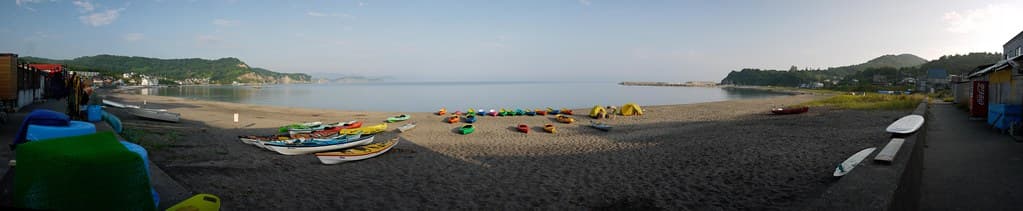
The shoreline at Kikonai refuses to perform. No cabanas dot the sand, no rental stands hawk umbrellas. Instead, you get an honest stretch of coast where the Tsugaru Strait churns cold and moody even in summer, its surface flecked with whitecaps that roll in from the shipping lanes between Hokkaido and Honshu. The sand here holds the dark mineral richness of volcanic soil, coarse underfoot, studded with smooth stones the tide delivers and reclaims twice daily. Fishing boats bob at anchor offshore, their bright hulls the only punctuation against the gray-blue expanse. Local life unfolds at beach tempo. Women in wide-brimmed hats gather kelp at low tide, filling woven baskets with the thick ribbons the sea leaves behind. A handful of concrete tetrapods break the waterline, placed there to gentle the waves that can pound this coast during storms. The air carries brine and a faint diesel note from the working harbor just north, mixed with the green smell of shore pines when the wind shifts landward. This is Hokkaido's quieter face, away from the powder-snow crowds and Sapporo's urban polish. The beach asks little—bring a windbreaker, even in July—and promises less, which is precisely its gift. You won't fight for space on the sand. You won't jostle for the perfect photo angle. You'll simply stand at the edge of Japan's northernmost main island, watching the strait that has carried trade and travelers for centuries, feeling pleasantly, profoundly alone.
Places, rentals, tours and events within walking and driving distance of Kikonai Beach.
Photos
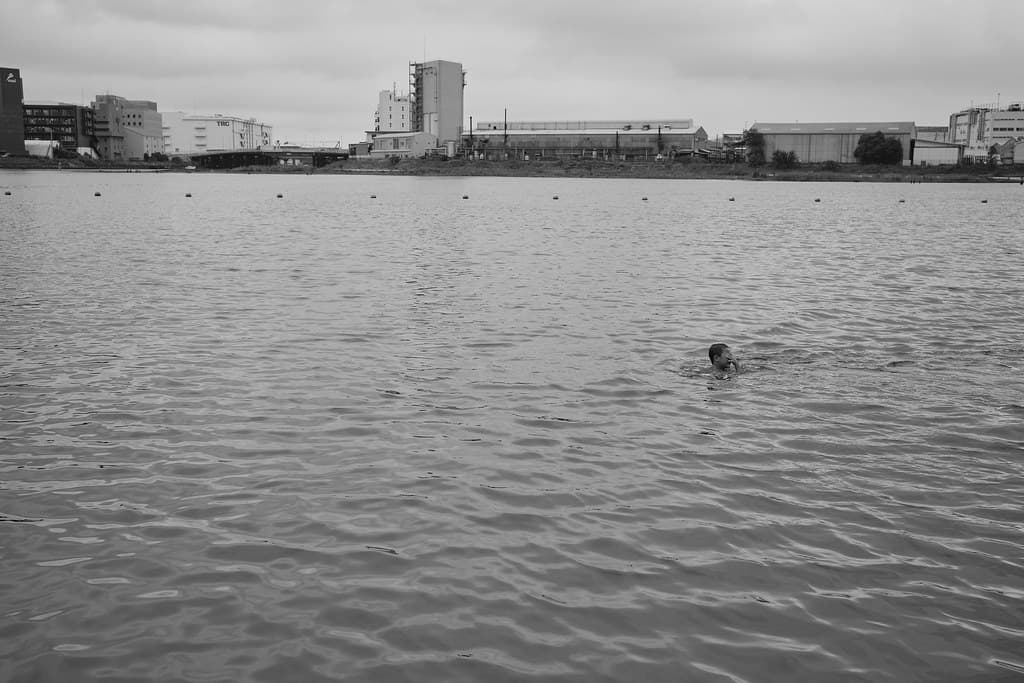
Kikonai Beach is generally calm, but swimming conditions depend on the season and weather. The Sea of Japan can experience strong currents and cold water temperatures, especially outside summer months. There are no lifeguards on duty, as this is a quiet, less-developed beach. Always check local weather forecasts and wave conditions before entering the water. The beach is more popular for scenic walks and photography than swimming. If you plan to swim, go during calm weather in summer and never swim alone.
While accessible year-round, July and August offer the warmest weather for beach activities, with temperatures reaching 20-25°C. Spring and autumn provide stunning coastal scenery with fewer crowds, ideal for photography and peaceful walks. Winter visits reveal dramatic seascapes with possible snow-covered shorelines, though temperatures drop significantly and strong winds are common. Hokkaido's climate means the water remains cold even in summer. For the best balance of pleasant weather and the beach's tranquil atmosphere, visit in late spring (May-June) or early autumn (September).
Kikonai Beach is accessible via JR Kikonai Station on the Hakodate Main Line, though you'll need a taxi or local bus for the final distance to the shore. Driving is more convenient—the beach is roughly 20 minutes from central Kikonai town. Limited parking areas exist near the beach access points, typically free and informal. The beach isn't heavily developed, so signage may be minimal. Using GPS coordinates or asking locals for "Kikonai kaigan" (Kikonai seashore) helps. Rental cars from Hakodate provide the most flexibility for exploring this quieter coastal area.
Kikonai Beach has minimal on-site facilities, reflecting its quiet, undeveloped character. Restaurants and convenience stores are located in Kikonai town, a short drive away, offering local Hokkaido seafood and standard Japanese dining options. Accommodations are limited—you'll find small guesthouses and minshuku (family-run inns) in town rather than beachfront hotels. For more lodging variety, consider staying in Hakodate (about 40 kilometers away) and visiting Kikonai as a day trip. Bring your own food and drinks if planning to spend extended time at the beach.
Kikonai Beach stands out for its peaceful, undiscovered atmosphere compared to more tourist-focused Hokkaido coastal areas. The shoreline offers serene views across the Tsugaru Strait toward Honshu, Japan's main island, sometimes visible on clear days. Its location in southern Hokkaido means it's less crowded than beaches near Sapporo or popular resort towns. The beach appeals to travelers seeking authentic, quiet coastal experiences rather than resort amenities. Photography enthusiasts appreciate the natural, unspoiled scenery, particularly during sunrise and sunset when the strait's waters create dramatic lighting conditions.