Counting the waves…
Counting the waves…
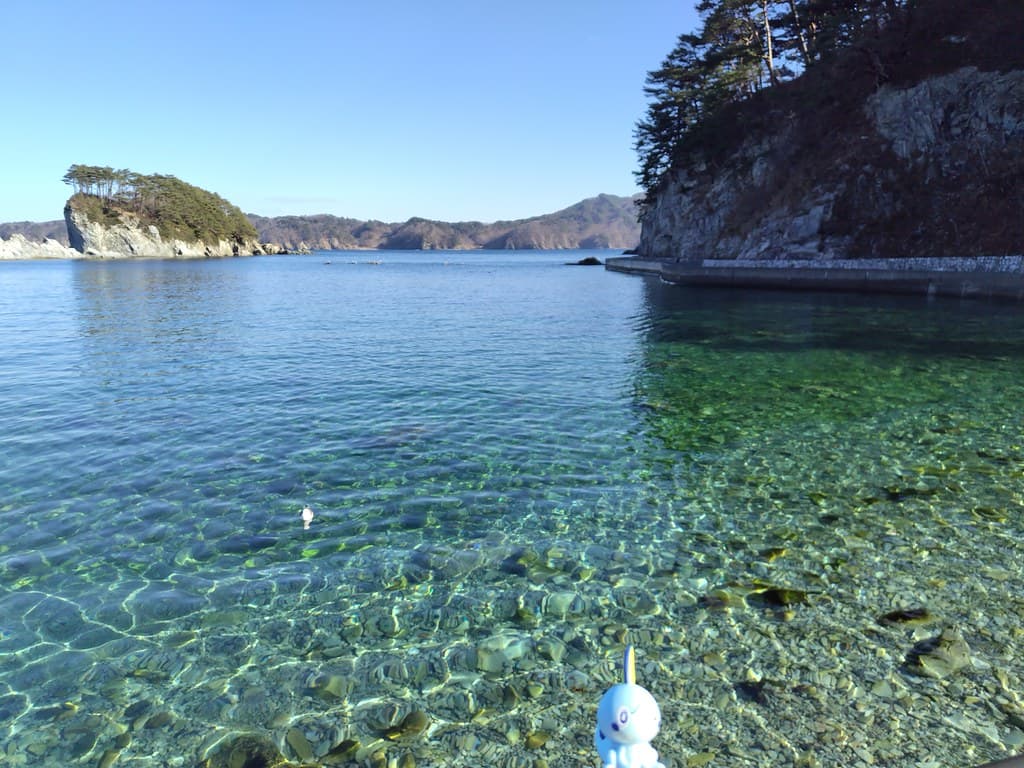
The coastline here is all angles and edges, dark volcanic rock carved into platforms and channels by endless wave action. You'll negotiate your way across barnacle-crusted surfaces, timing your movements between wave sets that explode white against the outer rocks. The beach exists in fragments—a few square meters of gray sand here, another pocket there, all temporary collections waiting for the next storm to rearrange the coast. Seaweed drapes the rocks in thick ropes, and everything smells of brine and exposed marine life. The peninsula extends into open water, giving you three-hundred-sixty-degree views of the Pacific doing what it does best: demonstrating power. Swells march in from the horizon in orderly lines until they meet the jagged shore, then chaos. Spray erupts twenty feet high on the outer points. The wind here rarely stops, and on rough days the whole peninsula vibrates with the impact of waves against stone. You'll get wet just watching from what seems like a safe distance. At low tide, the rock platforms reveal their ecology—tide pools the size of bathtubs holding complete underwater worlds. Sea stars in purple and orange cling to the walls, and small fish dart between kelp fronds. The local fishermen know which pools hold octopus, and you'll occasionally see them working the rocks with practiced efficiency. By sunset, the wet stones gleam like polished metal, and the Pacific turns the color of slate.
Places, rentals, tours and events within walking and driving distance of Omoe Beach.
Photos
Swimming at Omoe Beach is challenging and potentially dangerous due to its rocky coastline and location on a rugged peninsula. The rocky terrain makes water entry difficult, and currents around peninsulas can be unpredictable and strong. This beach is not designed or suitable for recreational swimming, especially for families or inexperienced swimmers. There are no lifeguards or safety facilities. Visitors should admire the coastal scenery from shore and explore the rocky landscape carefully. If you're seeking swimming opportunities, consider the sandy beaches in the Miyako area instead. Omoe Beach is best appreciated for its natural beauty rather than water activities.
Visit Omoe Beach during summer months (June-September) when weather is most favorable for exploring the rugged coastline safely. Clear days offer the best views of the dramatic peninsula scenery and ocean vistas. Spring and autumn can also be beautiful for photography, with seasonal colors and comfortable temperatures, though weather may be less predictable. Avoid visiting during typhoon season (late summer/early autumn) when conditions can be dangerous on exposed coastlines. Winter visits are generally not recommended due to cold, harsh conditions and potentially hazardous terrain. Check weather forecasts carefully before visiting this exposed coastal location.
Reaching Omoe Beach requires a car, as public transportation to this rugged peninsula area is extremely limited or unavailable. From Miyako, drive along coastal roads following directions toward the Omoe Peninsula area. Roads may be narrow, winding, and challenging, typical of rural coastal routes. Allow extra travel time and drive carefully. Parking may be informal or limited near the beach access points. The terrain can be rough, so wear sturdy footwear suitable for walking on uneven, rocky surfaces. A GPS or detailed map is essential, and check local conditions before attempting to visit this remote coastal location.
Omoe Beach has essentially no tourist facilities, restaurants, or services due to its remote, rugged nature. There are no shops, restrooms, or refreshment stands in the immediate area. Visitors must be completely self-sufficient, bringing all necessary food, water, and supplies. The nearest services are in Miyako city, which may be 30-60 minutes away by car. For accommodation, you'll need to stay in Miyako or surrounding towns. This beach is truly a natural, undeveloped site suitable for adventurous visitors who appreciate raw coastal scenery and are prepared for the lack of amenities.
Omoe Beach showcases the dramatic, untamed character of Iwate's Sanriku Coast with its rugged peninsula setting and rocky shoreline. Unlike family-friendly sandy beaches, Omoe offers wild coastal scenery, interesting geological formations, and a sense of raw natural power. The peninsula location provides sweeping ocean views and opportunities to observe the coast's interaction with Pacific waves. It appeals to photographers, geology enthusiasts, and adventurous travelers seeking unspoiled landscapes. The remoteness and challenging access mean you'll likely have this spectacular coastline to yourself, offering a completely different experience from Miyako's more accessible, developed beaches.