Counting the waves…
Counting the waves…

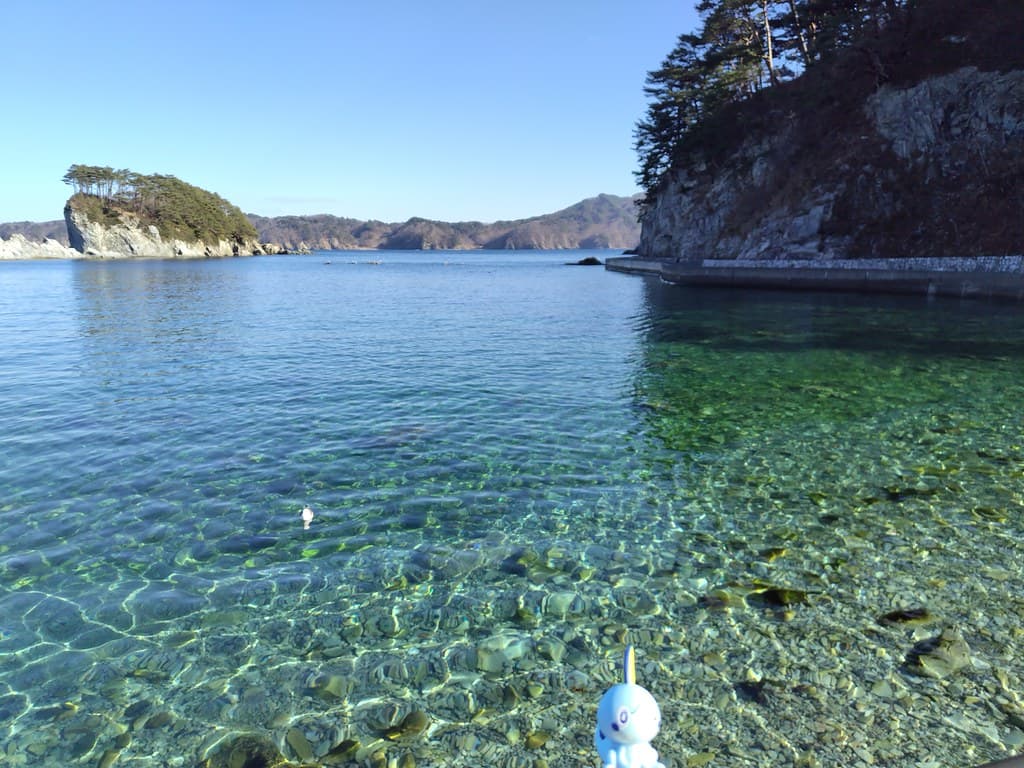
Approach the precipice on your stomach if wind gusts hard, crawling through beach roses and wild iris until the ground simply ends. The cliff face plunges in near-vertical sheets of sedimentary rock—ancient seabed compressed and uplifted, now layered in bands of rust and gray. Below, detached boulders the size of houses punctuate the surf zone, remnants of collapses that echo through local memory and geological time alike. The perspective flattens your sense of scale. Kelp forests visible in the transparent shallows wave like wheat fields; cormorants diving from their rocky roosts appear as dark flecks against the foam. When swells arrive from the northeast, they rear up at the cliff base before exploding upward, salt spray reaching high enough to mist your face twenty meters above sea level. The stone smells of guano and decomposing seaweed, and the wind carries the diesel signature of Miyako's fishing fleet working the waters offshore. The headland supports a miniature ecosystem shaped entirely by exposure: grasses grow in prostrate mats, flowers bloom at ankle height, and even the crickets seem stunted versions of their inland cousins. Local families come here for hanami in late April when wild cherries tucked into sheltered pockets bloom against the blue void. No railings interrupt the view, no signs warn about proximity to the edge—just the implicit understanding that nature requires attention, and inattention carries consequences.
Places, rentals, tours and events within walking and driving distance of Omoe Cliff Edge Beach.
Photos
Swimming at Omoe Cliff Edge Beach requires extreme caution due to its clifftop location and challenging terrain. The primary attraction is the scenic cliff-edge views rather than swimming. If beach access is available below the cliffs, be aware of strong currents, rocky conditions, and limited emergency services. Always maintain safe distances from cliff edges, especially during windy conditions or wet weather when surfaces become slippery. This location is better suited for scenic observation and photography than water activities.
The best weather period from late spring through early autumn (May-October) offers optimal conditions for enjoying cliff-edge views. Clear days provide the most spectacular vistas of the Pacific Ocean and Sanriku coastline. Early morning visits often feature calmer winds and better visibility. Summer offers the warmest conditions but can be hazy. Sunset visits can be stunning when weather cooperates. Avoid visiting during inclement weather, strong winds, or typhoon season when cliff edges become dangerous.
Reaching Omoe Cliff Edge Beach typically requires a car or taxi from Miyako city center, approximately 20-30 minutes depending on exact location. Roads may be narrow and winding as they approach coastal cliffs. Look for parking areas or viewpoints near the site. Some cliff-edge locations may involve short walks on potentially uneven terrain. GPS navigation is helpful, though asking locals in Miyako for specific directions is recommended. Wear sturdy footwear and exercise caution on cliff paths.
Facilities at the cliff-edge location itself are minimal to nonexistent. Miyako city, the nearest town, provides accommodation ranging from business hotels to traditional ryokan and guesthouses. Seafood restaurants and cafes are concentrated in Miyako's town center, about 20-30 minutes away. Bring your own refreshments when visiting the cliff-edge beach. Plan to base yourself in Miyako for meals and overnight stays, treating this as a scenic day-trip destination rather than an all-day beach visit.
Omoe Cliff Edge Beach offers elevated perspectives of the Sanriku coastline that differ dramatically from beach-level viewpoints. The cliff-edge vantage point provides panoramic ocean views showcasing the dramatic topography of Iwate's central coast. These elevated views highlight the contrast between rugged cliffs and the Pacific Ocean, characteristic of the ria coastline. The unique perspective allows visitors to appreciate the scale and beauty of the coastal landscape in ways impossible from standard beaches, making it particularly appealing for photographers and nature enthusiasts.