
Counting the waves…
Counting the waves…
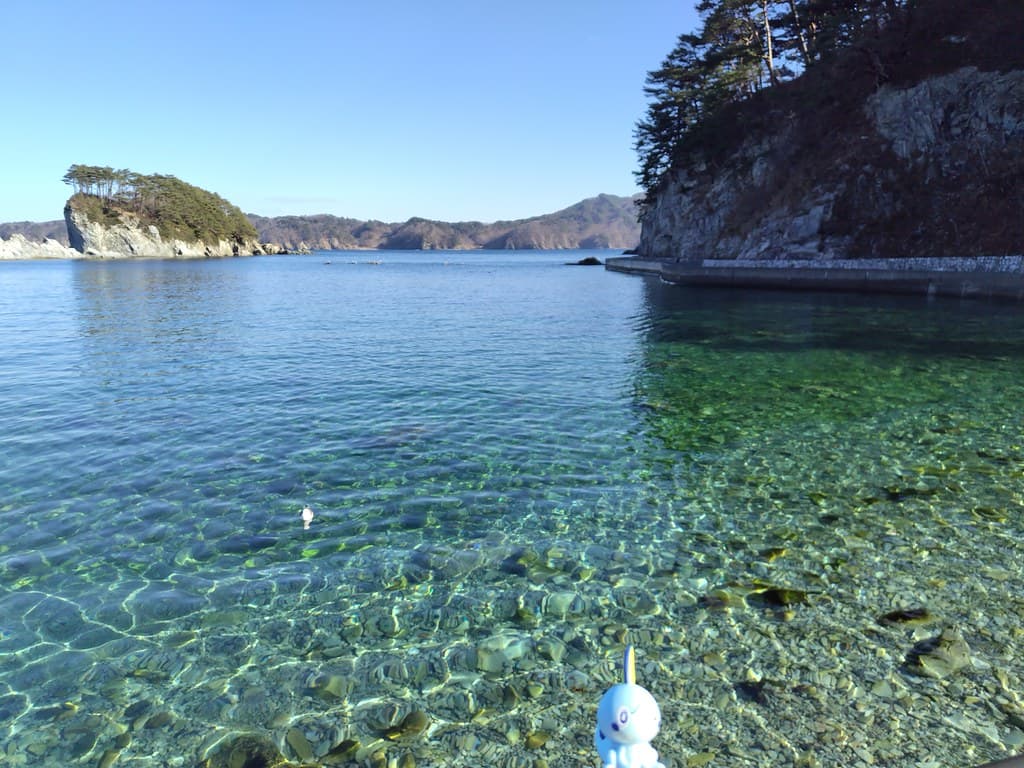
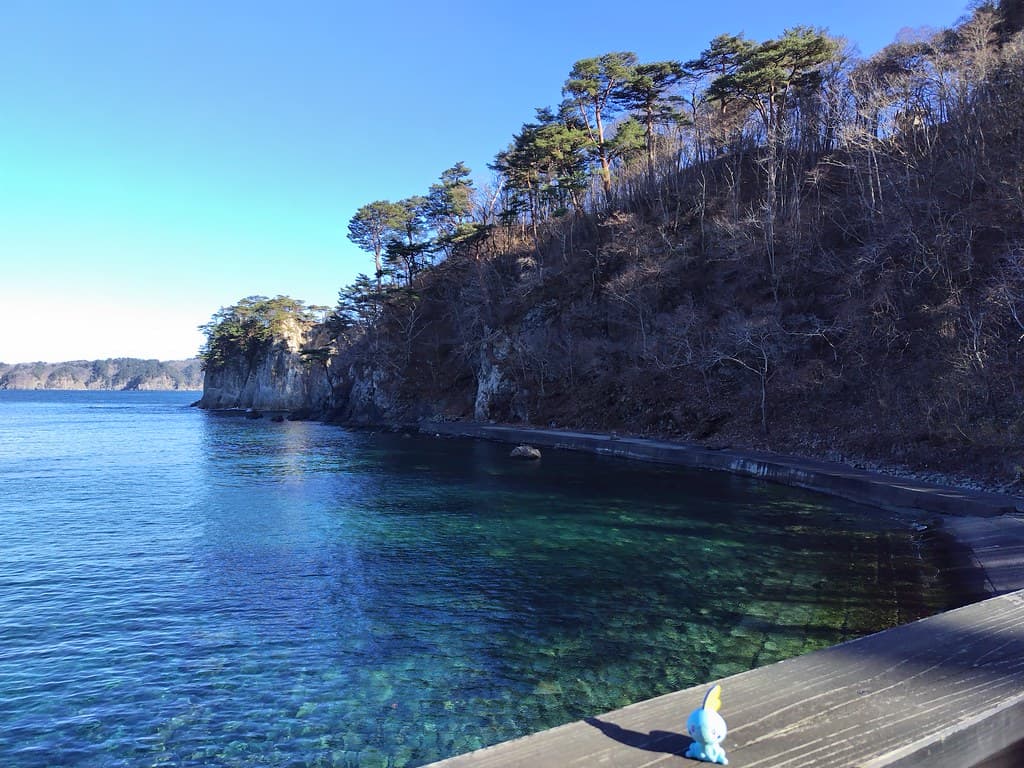
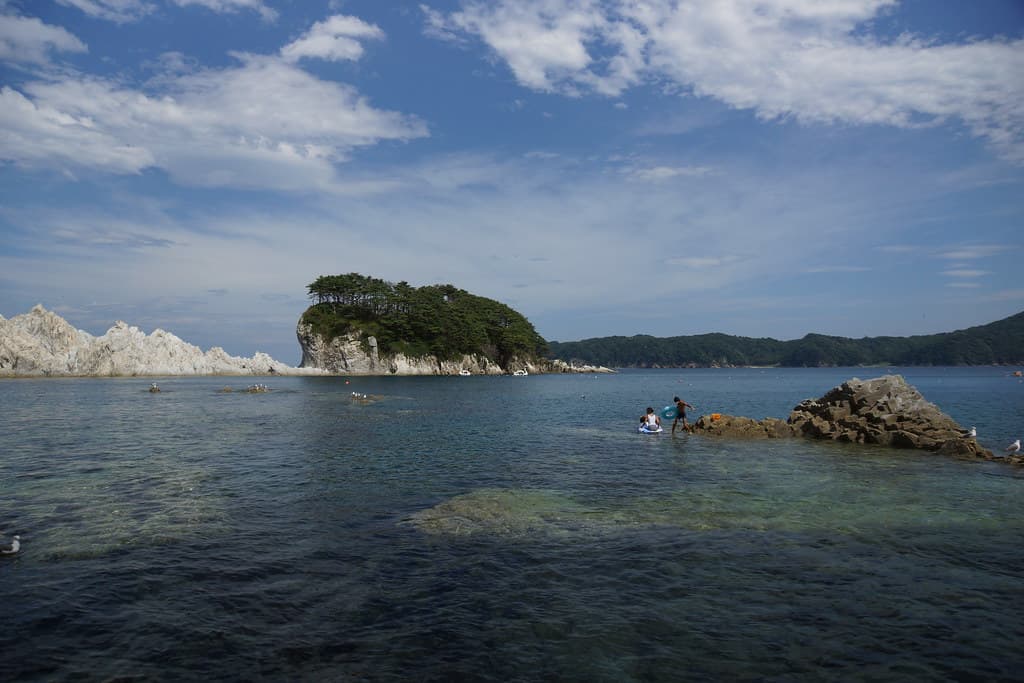
The cove is the size of a tennis court, a pocket beach so thoroughly hidden that most visitors to Omoe never know it exists. You'll squeeze through the rock entrance at low tide, feet sinking into soft sand that the protected location has allowed to accumulate. The water here is startlingly clear—you can count pebbles on the bottom three meters down—and noticeably warmer than the exposed coast, heated by sun and sheltered from the Oyashio Current. A freshwater seep darkens one rock wall, and ferns grow where spray never reaches. The cove's entrance faces northeast, so the southern exposure keeps it sunny most of the day. You'll swim in water that barely moves, broken only by the occasional swell that makes it through the narrow mouth and spreads across the cove in gentle ripples. Herons fish the shallows in early morning, and you'll startle them on arrival, watching their labored flight over the rocks. At high tide, the entrance becomes a channel where incoming water creates a gentle current, and you can float in and out with the pulse of the sea. The sand is coarse and mixed with tiny shell fragments that crunch underfoot. You'll find almost no trash—the cove is too hidden for casual visitors, too small for parties. Locals from Omoe village know about it, but they keep it quiet, a spot they swim when the main coast is too rough. You'll likely have it entirely to yourself, sitting on sun-warmed sand while the Pacific roars invisibly beyond the rock walls.
Places, rentals, tours and events within walking and driving distance of Omoe Hidden Cove.
Photos
Swimming at Omoe Hidden Cove requires careful assessment of conditions as this secluded inlet lacks lifeguard services and facilities. The sheltered nature of the cove can provide calmer waters, but currents, tides, and sudden weather changes affect safety. Water temperatures along the Iwate coast remain cool throughout the year. Only swim in calm conditions, never alone, and always inform someone of your plans when visiting remote beaches. Check marine forecasts beforehand and be conservative in your assessment of swimming conditions.
The best time to visit is during periods of low tourist activity—weekdays, early mornings, or shoulder seasons (May-June, September-October)—to fully appreciate the secluded character of this inlet. Summer offers the most comfortable weather for beach visits, though expect cool water temperatures. The cove's hidden nature makes it ideal for those seeking solitude regardless of season. Avoid winter months when access may be difficult and weather harsh. Check tide schedules if you plan to explore the shoreline, as high tides can limit accessible areas.
Omoe Hidden Cove is located in the Miyako coastal area of Iwate Prefecture. Access typically requires private transportation—rental car or taxi—from Miyako Station, as public transport to secluded inlets is limited or non-existent. The route may involve narrow coastal roads typical of rural Japan. Use GPS navigation with the place name, though detailed directions may require local inquiry at tourist information centers in Miyako. Allow extra time for navigation and be prepared for minimal signage at truly hidden locations along this coast.
As a secluded inlet, Omoe Hidden Cove has no on-site facilities. Visitors should base themselves in Miyako city, which offers hotels, guesthouses, and restaurants featuring fresh local seafood. The Miyako region is known for salmon, sea urchin, and other Pacific delicacies. Pack food, water, and supplies for your beach visit as you won't find vendors at hidden locations. Some traditional minshuku guesthouses in coastal villages may offer closer accommodation with home-cooked meals, though options are limited compared to the city center.
Omoe Hidden Cove's defining feature is its exceptional seclusion and inlet geography, offering an intimate coastal experience away from any development or crowds. The secluded nature allows visitors to experience the Sanriku coastline in a pristine, undisturbed state—ideal for those seeking tranquility, nature observation, or a sense of discovery. As a hidden inlet, it provides shelter from open ocean conditions while maintaining the raw, dramatic character of the Iwate coast. This cove appeals specifically to adventurous travelers who value unspoiled natural settings over amenities and accessibility.