Counting the wavesβ¦

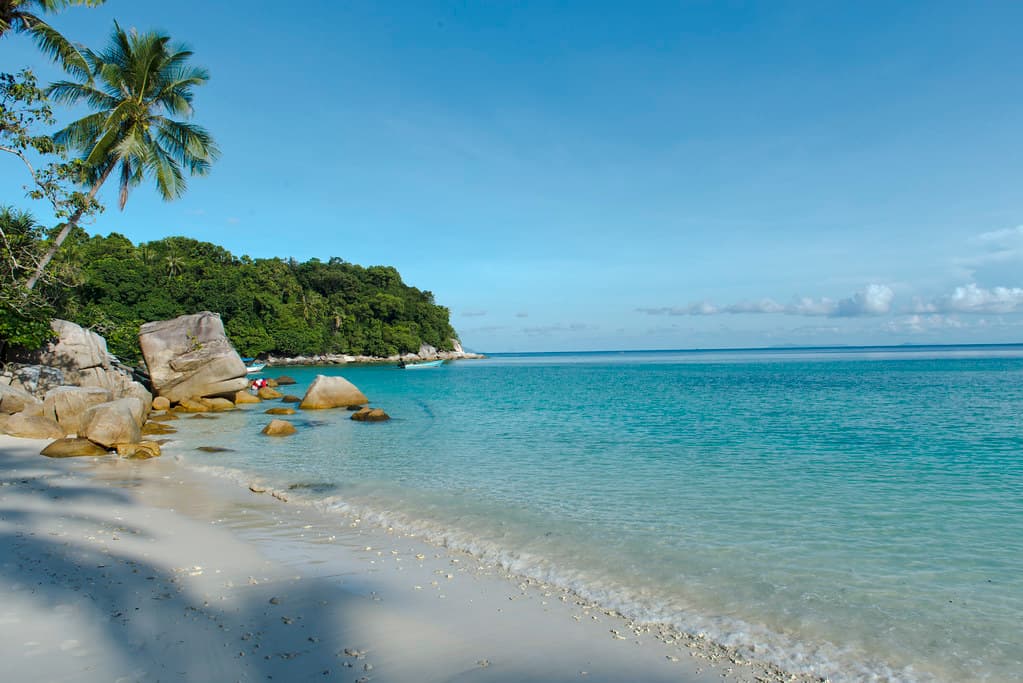
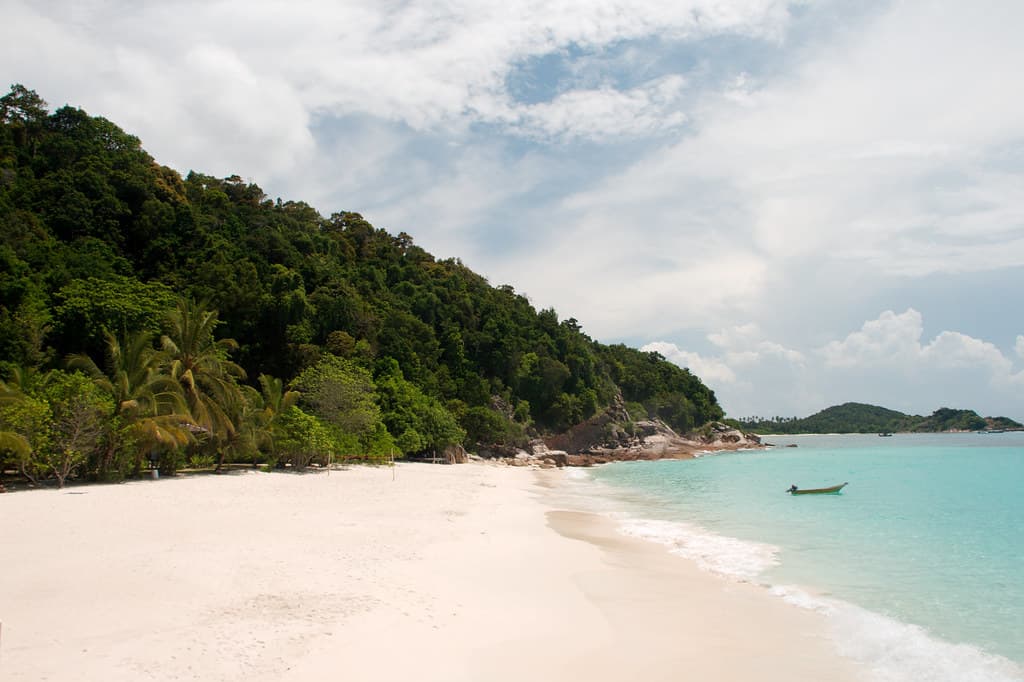
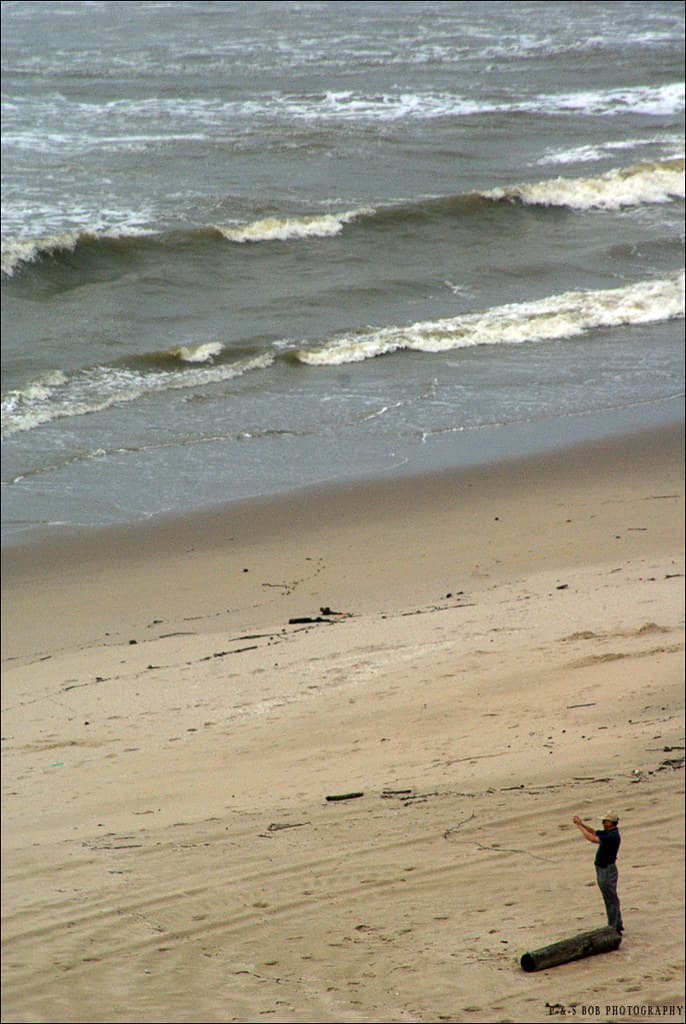
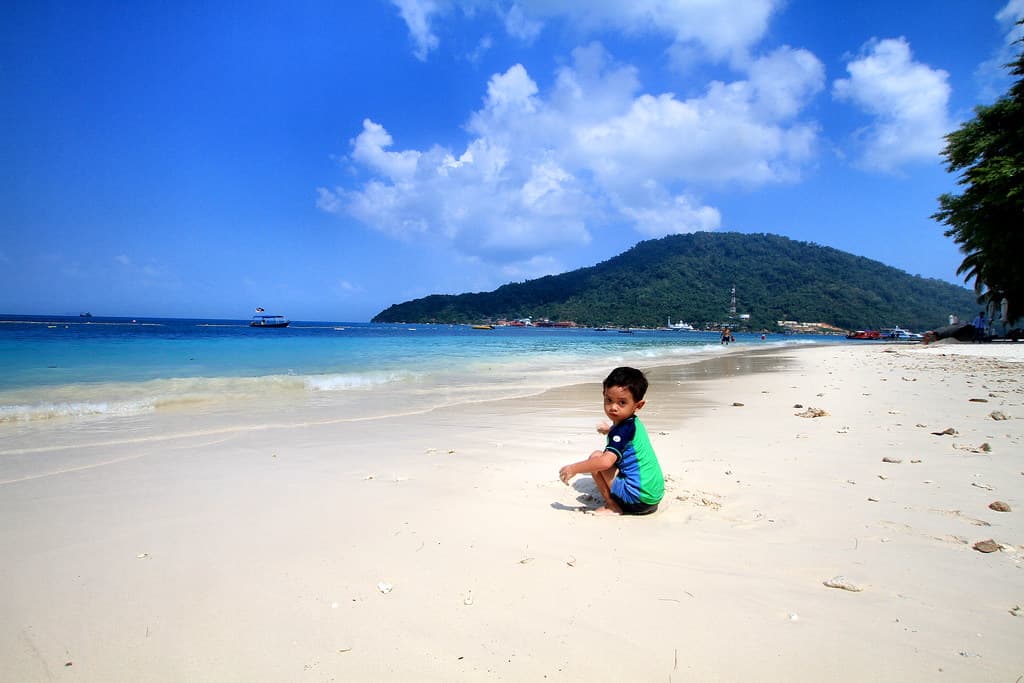
Drive north from Kuala Terengganu and the highway traffic thins to motorbikes and the occasional logging truck. Penarik Beach announces itself not with billboards but with the sight of wooden fishing boats pulled onto sand the color of weak tea, their hulls painted cerulean and lime. Children run between nets hung to dry while their fathers scrape barnacles, unbothered by the handful of visitors who've made the turn off Route 3. The water here rolls in shallow and warm, its olive-green hue honest about the river mouth just south that feeds the coast with silt and nutrients. You won't find the postcard blues of the Perhentians, but you will have nearly three miles of beach to yourself most weekdays. Casuarina pines whisper in the onshore breeze, their fallen needles cushioning the narrow band of shade where families spread woven mats for picnics of nasi kerabu and coconut water hacked open with parangs. Stay until the fishing boats motor out for night runs. The sunset here ignites the western sky in shades of apricot and rose, silhouetting the palms along the back-beach kampung houses. It's the kind of evening light that makes you put down your phone and simply watchβthough you'll inevitably pull it back out when the colors deepen. By dusk, the only sounds are waves and the call to Maghrib prayer drifting from the village mosque.
Places, rentals, tours and events within walking and driving distance of Penarik Beach.
Photos
Penarik Beach generally has calm, shallow waters suitable for swimming, especially during the dry season (March to October). The gentle waves make it family-friendly and safer than some of Malaysia's east coast beaches. However, always exercise caution during monsoon season (November to February) when currents can be stronger and waters rougher. There are no lifeguards on duty, so supervise children closely. The beach is relatively quiet and undeveloped, so swim during daylight hours and stay aware of your surroundings.
The best time to visit Penarik Beach is between March and October during the dry season, when you'll enjoy sunny skies and calm seas. For the quietest experience with fewer crowds, visit on weekdays. The beach is particularly stunning during sunset, typically between 6:30-7:30 PM, offering excellent photography opportunities. Avoid the monsoon season (November to February) when heavy rains and rough seas can make beach activities challenging. Early mornings are ideal for peaceful walks and observing local fishing activities along this hidden gem.
Penarik Beach is located approximately 30 kilometers south of Kuala Terengganu city. By car, take Route 3 southbound and follow signs to Kampung Penarik. The drive takes about 40 minutes from Kuala Terengganu. There's informal roadside parking available near the beach, and it's generally free. Public transportation is limited, so renting a car or hiring a taxi is recommended. The beach is less developed than major tourist spots, so GPS coordinates or asking locals for "Pantai Penarik" can help ensure you find the right location.
Penarik Beach has limited facilities as it's a relatively undeveloped, hidden gem. You'll find a few small local warungs (food stalls) and roadside eateries in Kampung Penarik village nearby, serving simple Malay dishes and fresh seafood. There are no resorts directly on the beach, but basic guesthouses and homestays are available in the surrounding area. Bring your own supplies, including drinking water, snacks, and sun protection. Public restroom facilities are minimal. For more extensive dining and accommodation options, Kuala Terengganu is about 30 minutes away.
Yes, Penarik Beach is known for its active fishing community, and you can observe traditional fishing activities, particularly in the early morning hours. Local fishermen often bring in their catches using traditional boats and methods, offering authentic glimpses into Terengganu's coastal culture. This makes Penarik Beach unique compared to more commercialized Malaysian beaches. You may see fishermen preparing nets, boats coming ashore, and even have opportunities to purchase fresh seafood directly from them. This cultural element, combined with the peaceful setting, makes it especially appealing for photographers and cultural enthusiasts.