Counting the waves…
Counting the waves…

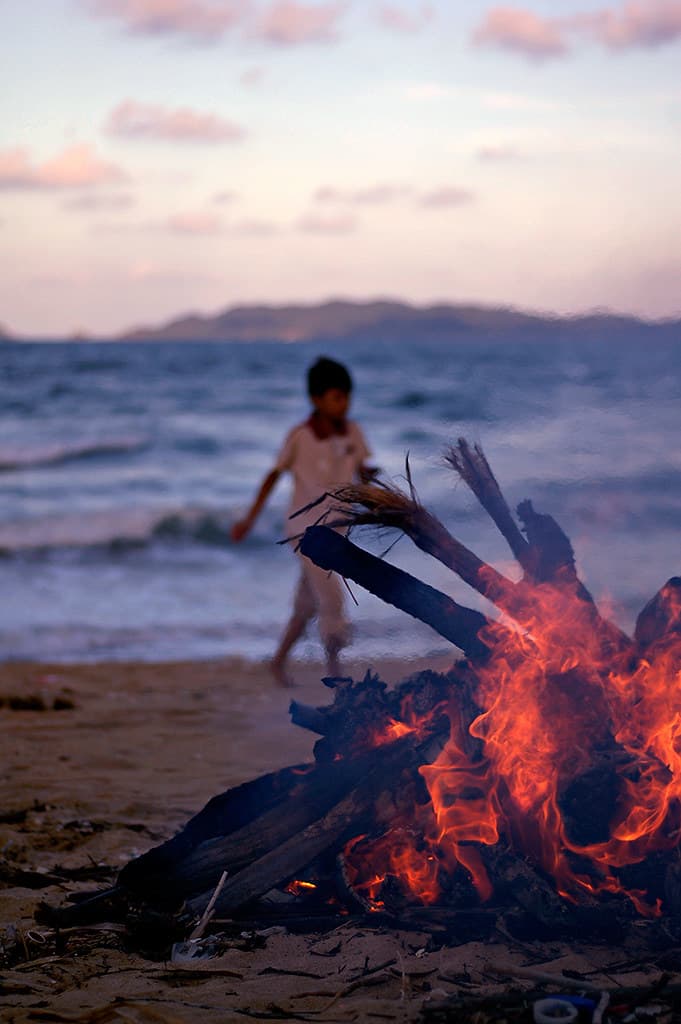
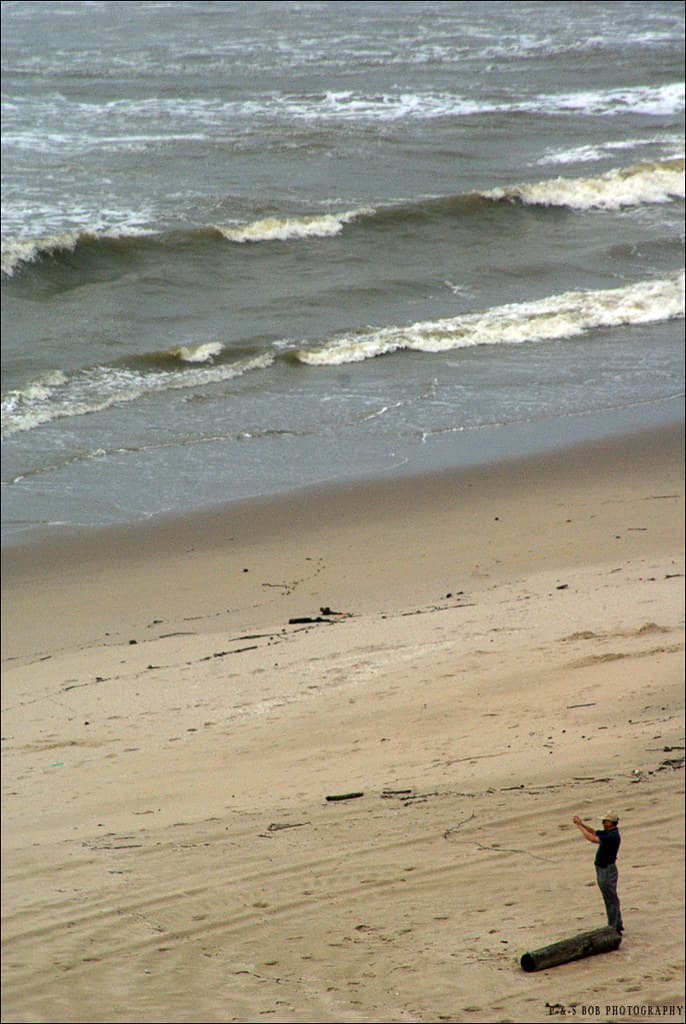
Batu Burok Beach stretches along Kuala Terengganu's eastern edge, a working shoreline where the rhythm of city life never quite drowns out the waves. You'll spot children chasing foam at the waterline while their parents sit beneath casuarina trees, and fishing boats bob just offshore, their painted hulls bright against the gray-blue of the South China Sea. The sand is coarse and golden-brown, littered with fragments of coral and shell, and the breeze carries salt mixed with the char of grilling squid from the food stalls lining the coastal road. This is not a beach for postcard-perfect swims—the currents can be unpredictable, the water murky with sediment stirred from the seabed—but it is the city's gathering place. Families spread mats near the beach volleyball nets. Joggers follow the paved promenade at dawn. On weekends, the parking area fills with cars and motorcycles, everyone here for the same reason: to escape the shophouses and office blocks for a few hours of open sky. Come late afternoon when the light turns amber and the fishing fleet returns. The fishermen tie up at the small jetty, and you can buy prawns straight from the ice-packed coolers. Vendors fire up portable grills, and the smell of sambal and lime drifts across the sand. The sunset is rarely spectacular—often obscured by haze—but the ritual of watching it here, shoulder to shoulder with Terengganu residents, matters more than the view.
Places, rentals, tours and events within walking and driving distance of Batu Burok Beach.
Photos
Batu Burok Beach is generally safe for swimming during calm weather, particularly for families with children as the waters are relatively shallow near shore. However, monitor conditions carefully during monsoon season (November to February) when waves can be stronger and currents unpredictable. The beach lacks lifeguards, so swim during daylight hours and stay close to shore. Weekends see more local visitors, providing additional safety through numbers. Always check weather forecasts before visiting and avoid swimming during rough seas or thunderstorms.
The best time to visit Batu Burok Beach is between March and October during the dry season, when you'll enjoy calmer seas and sunny weather. Late afternoon is particularly popular for catching stunning sunsets over the South China Sea. Avoid the monsoon season (November to February) when heavy rains and strong winds can make beach activities less enjoyable. Weekday mornings offer quieter experiences, while weekends attract local families. The beach is accessible year-round, but conditions are most pleasant outside monsoon months.
Batu Burok Beach is located approximately 5 kilometers from Kuala Terengganu city center, easily accessible by taxi, e-hailing services like Grab, or personal vehicle. The journey takes about 10-15 minutes from downtown. Ample free parking is available along the beachfront and nearby streets. The beach is well-signposted and located along the main coastal road. Public buses also serve the area, though less frequently. As an urban beach within city limits, it's one of the most accessible beaches in Terengganu.
Batu Burok Beach offers various food stalls and small cafes selling local favorites like nasi dagang, keropok lekor (fish crackers), and fresh coconut drinks. Several restaurants line the beachfront, ranging from casual eateries to seafood spots. Basic amenities include public restrooms, prayer facilities, and shaded gazebos. Nearby hotels and guesthouses provide accommodation options within walking distance. Small shops sell beach essentials and souvenirs. The urban location means additional restaurants, convenience stores, and services are just minutes away in Kuala Terengganu proper.
While Batu Burok Beach itself is not a primary turtle nesting site due to its urban nature and frequent human activity, Terengganu's coastline is renowned for sea turtle conservation. For authentic turtle experiences, visit dedicated sanctuaries like Rantau Abang or the islands of Redang and Perhentian, located further north. These sites offer guided turtle watching and conservation programs. Batu Burok serves primarily as a recreational city beach. However, you may learn about regional turtle conservation efforts through local tourism information centers near the beach.