Counting the waves…
Counting the waves…
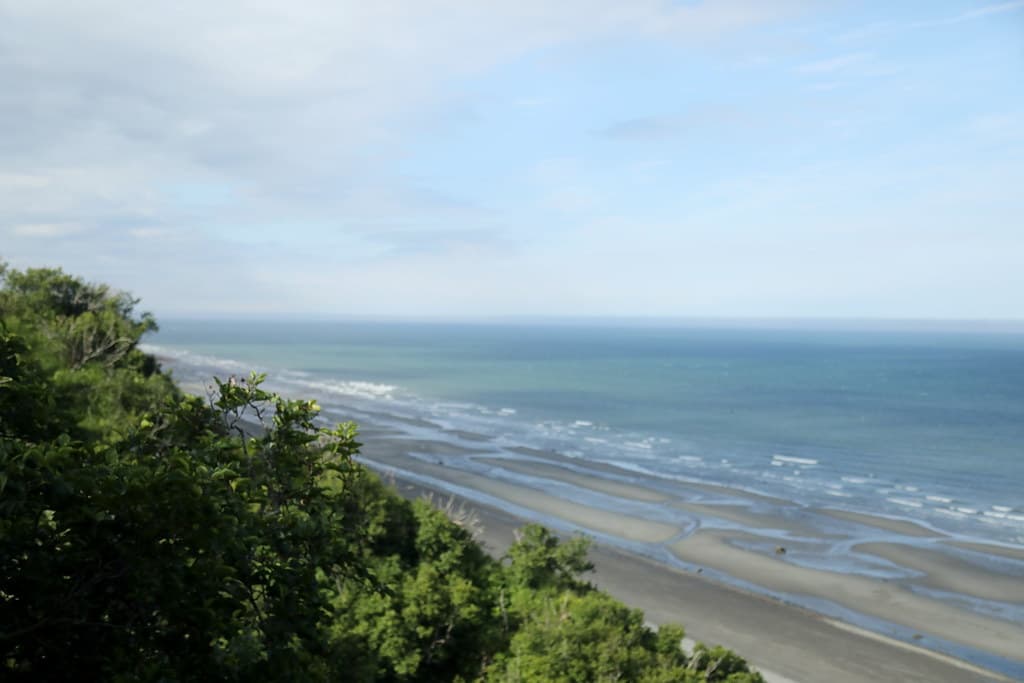
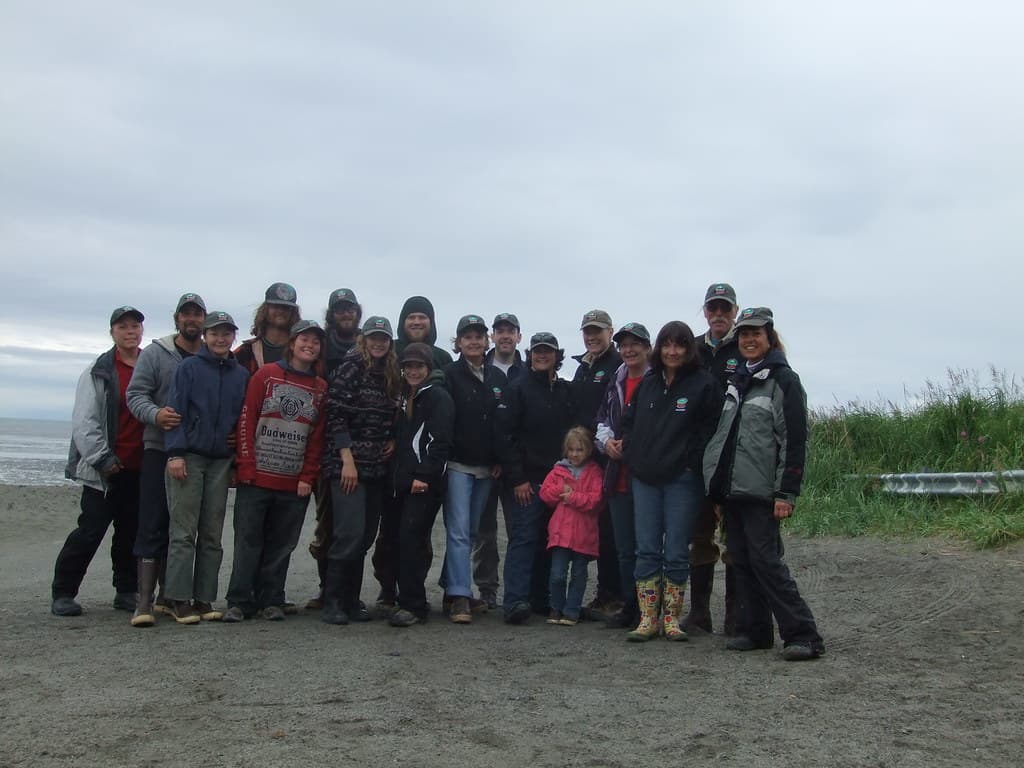
The sand here is coarse and gray, streaked with mussel shells and driftwood bleached bone-white by winter storms. You'll stand at the confluence where the Kenai River's glacial melt merges with the saltwater expanse of Cook Inlet, watching beluga whales surface in pods just offshore, their pale backs arcing through the chop. Children sprint along the tideline in rubber boots, searching tidal pools for hermit crabs and starfish while gulls wheel overhead, their cries sharp against the wind. This isn't a beach for sunbathing. You'll come dressed in layers, a windbreaker essential even in July, as temperatures hover in the sixties and the breeze carries the briny scent of kelp and salmon. Families spread picnic blankets on the upper beach, thermoses of coffee in hand, watching fishing boats work the inlet or scanning for the telltale spray of a whale's breath. The backdrop is pure Alaska: snow-capped peaks, spruce forests marching down to the waterline, and light that shifts from pewter to gold as weather systems sweep across the inlet. Come at low tide and you'll join locals raking for razor clams, bent double with buckets and shovels, working the productive flats. By evening, the tide reclaims the beach, erasing footprints and depositing fresh treasures—glass fishing floats, crab molts, tangles of bull kelp thick as garden hoses. It's a shoreline shaped by elemental forces, where the reward isn't warmth but wildness.
Places, rentals, tours and events within walking and driving distance of Kenai Beach.
Photos
Swimming at Kenai Beach is not recommended due to extremely cold water temperatures year-round, typically ranging from 35-55°F. The water comes from Cook Inlet and glacial runoff, making hypothermia a serious risk even in summer. Strong tidal currents and mudflats also pose hazards. Most visitors enjoy beachcombing, wildlife viewing, and walking instead. If you do wade in shallow areas, wear water shoes and never turn your back on the water, as tides change rapidly in Cook Inlet.
Kenai Beach is accessible year-round, but summer (June-August) offers the most pleasant weather with temperatures between 50-65°F and nearly 20 hours of daylight. This is peak season for salmon fishing and wildlife viewing. May and September provide fewer crowds and spectacular scenery. Winter visits offer dramatic views and potential northern lights sightings, though temperatures drop below freezing and daylight is limited to 5-6 hours. Always dress in layers regardless of season, as weather can change quickly.
Kenai Beach is located at the end of Spruce Drive in Kenai, approximately 2.5 hours south of Anchorage via the Seward Highway and Sterling Highway. From downtown Kenai, follow signs toward the beach area. Free parking is available at the Kenai Beach parking lot near the Old Town district. The beach is easily accessible from the parking area. Most visitors drive personal vehicles or rentals, as public transportation options to Kenai are limited.
Kenai offers various dining options within a few miles of the beach, including seafood restaurants, cafes, and fast food. The nearby Old Town area features local eateries and shops. Lodging ranges from hotels and motels along the Kenai Spur Highway to vacation rentals and bed-and-breakfasts. Several options are within 1-3 miles of the beach. There are no restaurants or facilities directly on the beach itself, so plan accordingly. Soldotna, about 10 miles away, provides additional dining and accommodation choices.
Yes, Kenai Beach is one of the best spots in Alaska to observe beluga whales from shore. These white whales frequent Cook Inlet, particularly during salmon runs from May through September when they follow fish upstream. The best viewing times are typically during incoming tides. Bring binoculars for optimal viewing. Besides belugas, you might spot sea otters, seals, and various seabirds. The whales are wild, so sightings aren't guaranteed, but patient observers are often rewarded, especially in summer months.