Counting the waves…
Counting the waves…

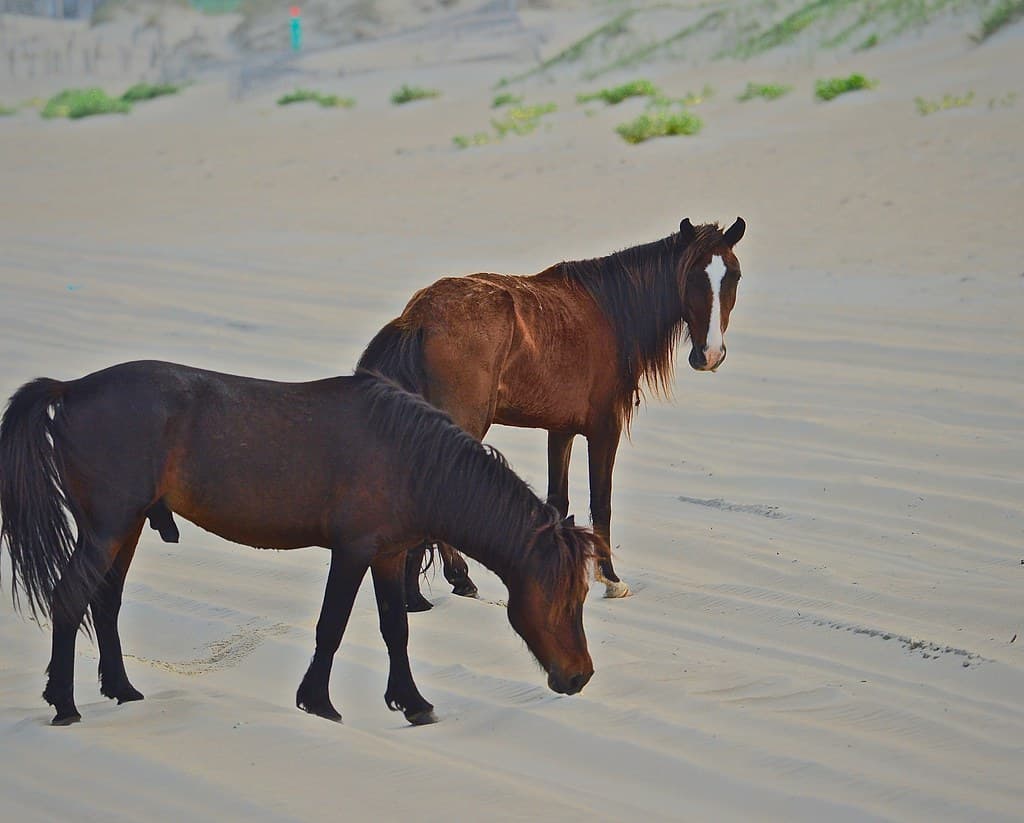
Buck Island sits at the northernmost whisper of North Carolina's Outer Banks, where four-wheel-drive becomes your passport and cell service becomes a memory. The beach unfolds in both directions without a single high-rise or beach umbrella rental stand—just dunes topped with waving grasses and the occasional wild horse descended from Spanish Colonial stock, grazing near the wrack line. The sound side offers glassy paddling water fringed with marsh grass, while the ocean side delivers consistent but gentle surf that breaks over sandbars hundreds of feet from shore. Between the two, the island narrows to barely a quarter-mile, and you can watch sunrise over the Atlantic, then turn around for sunset over the sound without moving your towel more than a few hundred yards. Timing matters less than tides here. Winter brings solitude and the clearest water; summer offers bath-warm swimming but requires an early arrival to claim your stretch of sand. Bring everything—water, shade, lunch—because the nearest store sits seven miles south, and your only neighbors will be piping plovers, the horses, and a handful of others who made the drive up the beach.
Places, rentals, tours and events within walking and driving distance of Buck Island Beach.
Photos
Buck Island Beach in Corolla is generally safe for swimming during calm conditions, but it's an undeveloped beach with no lifeguards on duty. Ocean conditions can change rapidly, so check local surf reports before entering the water. Strong currents and rip tides can occur, especially during storms or high winds. The remote location means help isn't immediately available in emergencies. Always swim with a buddy, stay close to shore, and never swim during rough surf or stormy weather. Parents should closely supervise children at all times.
Buck Island Beach is accessible year-round, but late spring through early fall (May-October) offers the warmest weather and best swimming conditions. Summer months bring peak temperatures in the 80s°F, though also more crowds. Fall provides pleasant weather with fewer visitors. Winter and early spring can be beautiful for beachcombing and wildlife watching, though water temperatures are cold and winds can be strong. Visiting at sunrise or sunset any season offers stunning views. Check tide schedules and weather forecasts before your trip, as conditions affect beach accessibility.
Buck Island Beach is located in the northern 4WD area of Corolla, accessible only by four-wheel-drive vehicles with beach driving permits. You'll need to air down your tires and enter the beach via designated access ramps north of the paved road's end. There's no formal parking lot; vehicles park directly on the beach above the high-tide line. Obtain permits from local vendors or online before arrival. Check tide charts to avoid getting stuck, and be prepared for soft sand. Standard vehicles cannot reach this beach.
Buck Island Beach has absolutely no amenities—no restrooms, showers, food vendors, or facilities of any kind. This is a completely undeveloped, remote beach. Bring everything you need, including plenty of water, food, sunscreen, and a portable toilet or plan accordingly. The nearest restaurants, shops, and accommodations are in the southern Corolla area, several miles away. Pack out all trash and leave no trace. For lodging, consider vacation rentals in Corolla proper, which offer easier access to services while keeping Buck Island as a day-trip destination.
Yes, Buck Island Beach is part of the range where Corolla's famous wild horses roam freely. These Colonial Spanish Mustangs are protected and often spotted along this remote stretch of beach. While sightings aren't guaranteed, your chances are good, especially during early morning or late afternoon. Remember these are wild animals: federal law requires staying at least 50 feet away. Never feed, touch, or attempt to approach them. Observe quietly and respectfully. Their presence makes Buck Island Beach particularly special for wildlife enthusiasts and photographers.