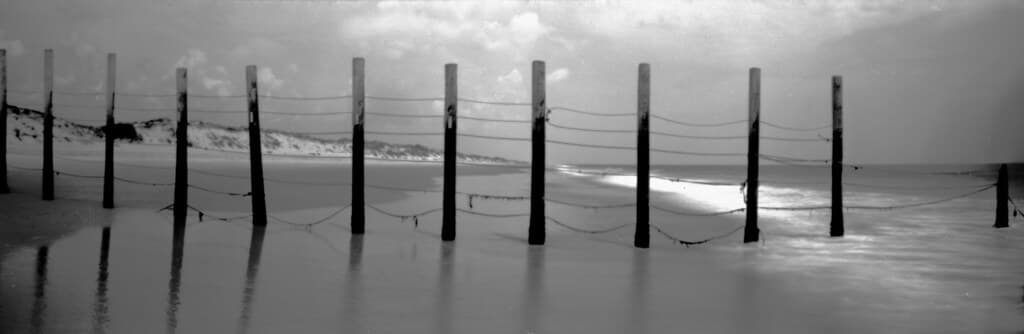
Counting the waves…
Counting the waves…

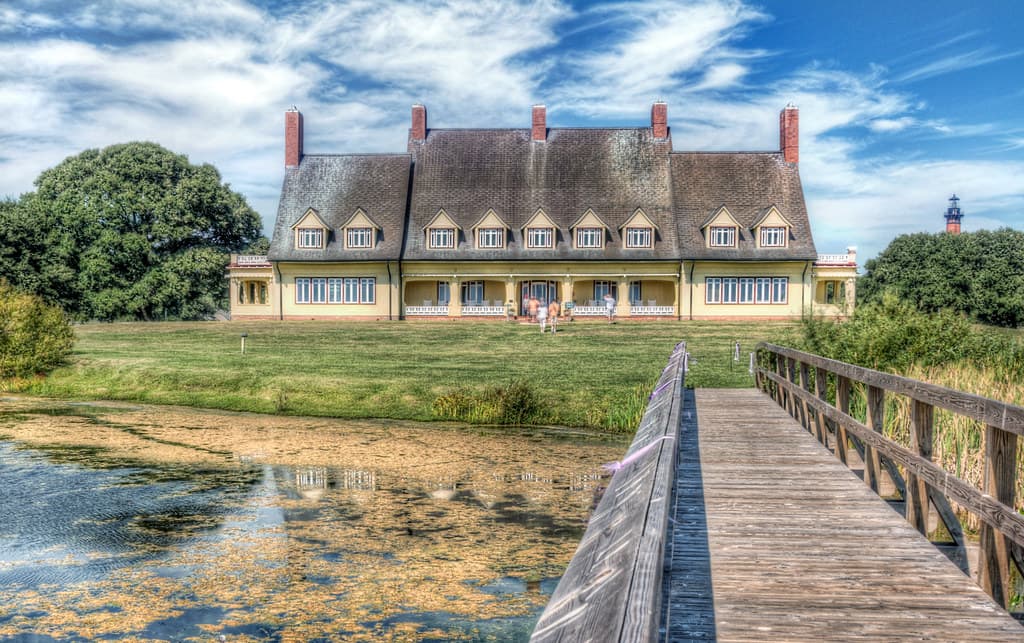
The asphalt ends at the Currituck Beach Lighthouse, and that's where Corolla Beach truly begins. Beyond the barricade, only vehicles with deflated tires and posted permits venture onto the hard-packed sand highway that runs north for twelve miles. You'll share this territory with Spanish mustangs, descendants of colonial shipwrecks, who nose through dune grasses and occasionally wade into the surf, utterly indifferent to your camera. The beach itself is wide and firm at low tide, flanked by shifting dunes that grow taller as you drive north toward the Virginia line. Families claim their stakes with pop-up canopies and fishing rods; children build fortresses in sand that hasn't seen a bulldozer or beach rake. The water runs cool even in July, with a persistent shore break that keeps boogie-boarders happy and keeps you honest if you're not paying attention. Corolla proper—the village south of the off-road area—offers a different tempo: ice cream parlors, mini-golf windmills, and rental cottages with names like "Seas the Day." But it's the four-wheel-drive beach that earns this stretch its reputation. Pack your own shade, your own water, and a trash bag. The horses don't clean up after you.
Places, rentals, tours and events within walking and driving distance of Corolla Beach.
Photos
Corolla Beach is generally safe for swimming, but there are no lifeguards on duty, so swim at your own risk. The ocean conditions vary seasonally, with calmer waters in summer and stronger currents during fall and winter. Watch for warning flags if posted, be aware of rip currents, and never swim alone. Keep a safe distance from the wild horses that roam the beach. Always supervise children closely. Check local surf reports before entering the water, and ask your rental company or locals about current conditions.
Summer (June-August) is peak season with warm temperatures in the 80s°F and ideal beach weather, though it's crowded and expensive. May and September offer pleasant weather, fewer crowds, and better lodging rates. Spring (April-May) and fall (September-October) are perfect for wild horse watching and beach walks, with temperatures in the 60s-70s°F. Winter is quiet and budget-friendly but cold for swimming. Year-round access makes Corolla suitable for any season depending on your preferences and tolerance for crowds.
Corolla is located at the northern end of North Carolina's Outer Banks, accessed via NC-12 North from points south. From the mainland, take US-158 to NC-12. Public beach access points with parking are available throughout Corolla, including areas near the Currituck Beach Lighthouse and along Ocean Trail. Parking is free at most public accesses but can fill quickly in summer. For 4WD beach access to reach the wild horse area, you'll need to air down tires and access from specific ramps north of the paved road's end.
Corolla offers numerous vacation rental homes ranging from oceanfront mansions to cozy cottages, which are the primary lodging option. A few hotels and inns are available in nearby Duck. For dining, you'll find restaurants in the Monteray Plaza and TimBuck II shopping centers, including seafood restaurants, pizza places, and casual eateries. Grocery stores like Food Lion and Corolla Market provide supplies for self-catering. Many visitors stock up on groceries before arriving, as dining options are more limited than in larger Outer Banks towns to the south.
Yes, Corolla is famous for its wild Spanish Mustangs that roam freely on the beach and in the area north of the paved road. These horses are protected and must not be approached, touched, or fed (it's illegal and dangerous). The best way to see them is on a guided wild horse tour or by driving carefully in a 4WD vehicle on the beach north of the pavement. Maintain at least 50 feet distance, never get between a mare and foal, and respect these historic animals by observing from afar.