Counting the waves…
Counting the waves…

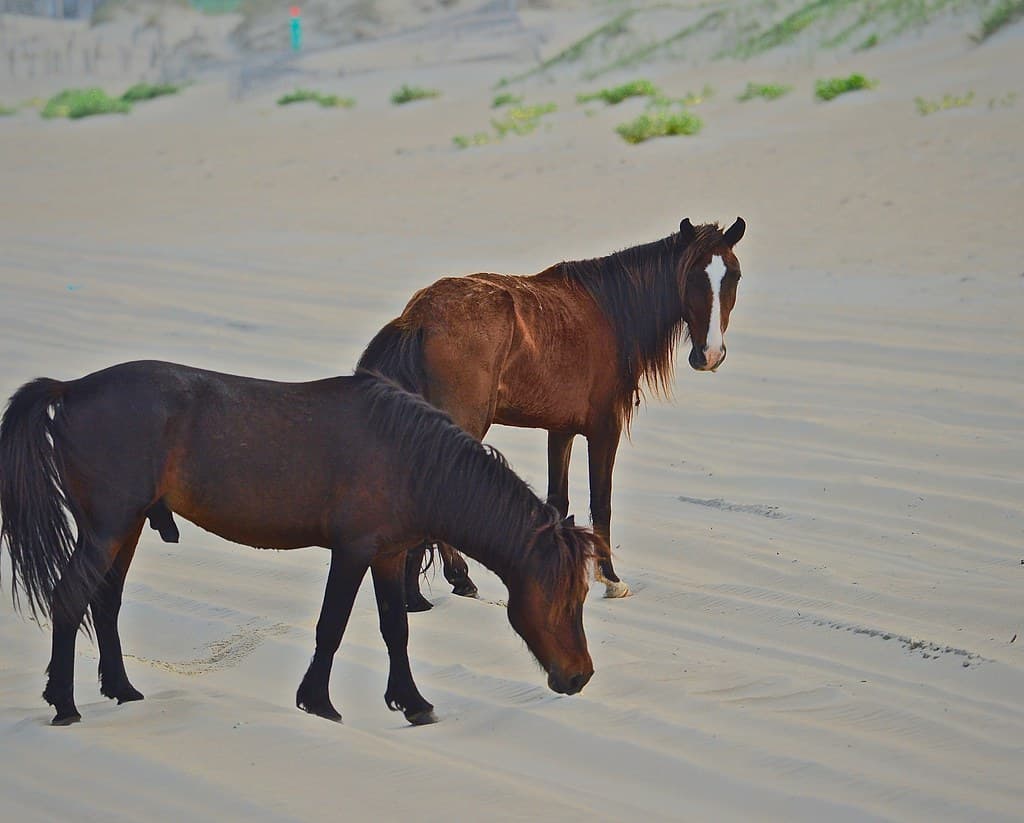
The asphalt stops just past the historic Whalehead Club, and that's when Whalehead Beach truly begins. You'll air down your tires to fifteen pounds, join the procession of SUVs and trucks heading north on the beach highway, and stake your flag wherever the shoreline calls to you. The sand here runs wide and firm near the waterline, flanked by dunes sprouting sea oats that bow in the perpetual breeze. What sets this stretch apart is its dual citizenship: part beach, part wildlife corridor. Spanish mustangs descended from colonial shipwrecks roam freely, their hoofprints crossing tire tracks in the sand. You'll spot them grazing near the dunes at dawn or standing sentinel as the sun drops into the sound. Children build castles while parents scan the horizon for dorsal fins—dolphins work these waters year-round, often visible from your beach chair. The beach extends for miles in both directions, so crowding is a foreign concept even in July. You'll pack everything in and everything out, from umbrellas to coolers, which means your neighbors are often a quarter-mile away. When the tide recedes, tidal pools collect sand dollars and hermit crabs, and the hard-packed sand becomes a runway for kites that dance against an unobstructed sky.
Places, rentals, tours and events within walking and driving distance of Whalehead Beach.
Photos
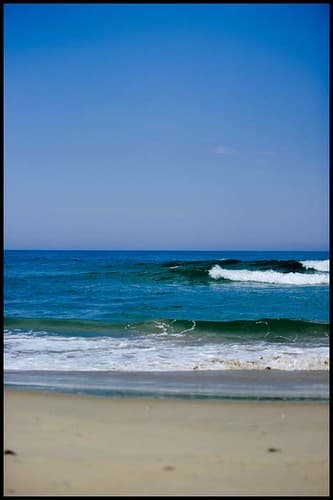
Whalehead Beach generally offers calm swimming conditions suitable for families, though ocean conditions vary daily. The beach lacks lifeguards, so supervision is essential. Waves are typically gentler than beaches farther south on the Outer Banks. Check local surf reports before swimming, watch for rip currents, and swim near other beachgoers. The gradual slope makes it easier for children to wade, but always maintain close supervision. Spring through fall usually provides the warmest, calmest water, while winter brings rougher surf and colder temperatures.
Late May through September offers the warmest weather and ocean temperatures (70-80°F air, 70-75°F water), ideal for swimming and beach activities. However, this is peak season with larger crowds. April-May and September-October provide pleasant weather with fewer visitors and lower accommodation rates. Winter months are quiet and scenic for beachcombing and wildlife watching, though water is too cold for swimming. Summer brings occasional afternoon thunderstorms, so plan indoor activities. Year-round access makes it perfect for off-season beach walks and wild horse viewing.
Whalehead Beach is located in northern Corolla, accessible via NC-12 North. From the main Corolla area, continue north past the Whalehead Club historic site. Public beach access points with parking are limited in this area. Many visitors access the beach through their rental properties if staying nearby. The Historic Corolla Park offers parking and beach access. Note that the northernmost beaches require 4WD vehicles and permits. Standard vehicles should use designated public access points. Arrive early during summer months as parking fills quickly.
Whalehead Beach is primarily a residential vacation rental area. The main Corolla village, about 2-3 miles south, offers restaurants including seafood spots, casual dining, and grocery stores like Food Lion and Corolla Market. Popular options include North Banks Restaurant and Raw Bar. Accommodations consist mainly of beach house rentals ranging from cozy cottages to large family homes, many oceanfront. Limited hotels exist in Corolla proper. Plan to drive for dining and shopping. Some visitors bring groceries from larger stores in Duck or Kitty Hawk before arriving.
While wild horses primarily roam the 4WD beaches north of Corolla, they occasionally wander south near Whalehead Beach, though sightings aren't guaranteed. The Corolla Wild Horse Fund manages these protected Spanish Mustangs. For reliable viewing, take a guided wild horse tour or drive north on the beach with a 4WD vehicle and required permit. Never approach, feed, or touch the horses—it's illegal and dangerous. The Corolla Wild Horse Museum nearby provides history and information about these iconic Outer Banks residents.