
Counting the waves…
Counting the waves…

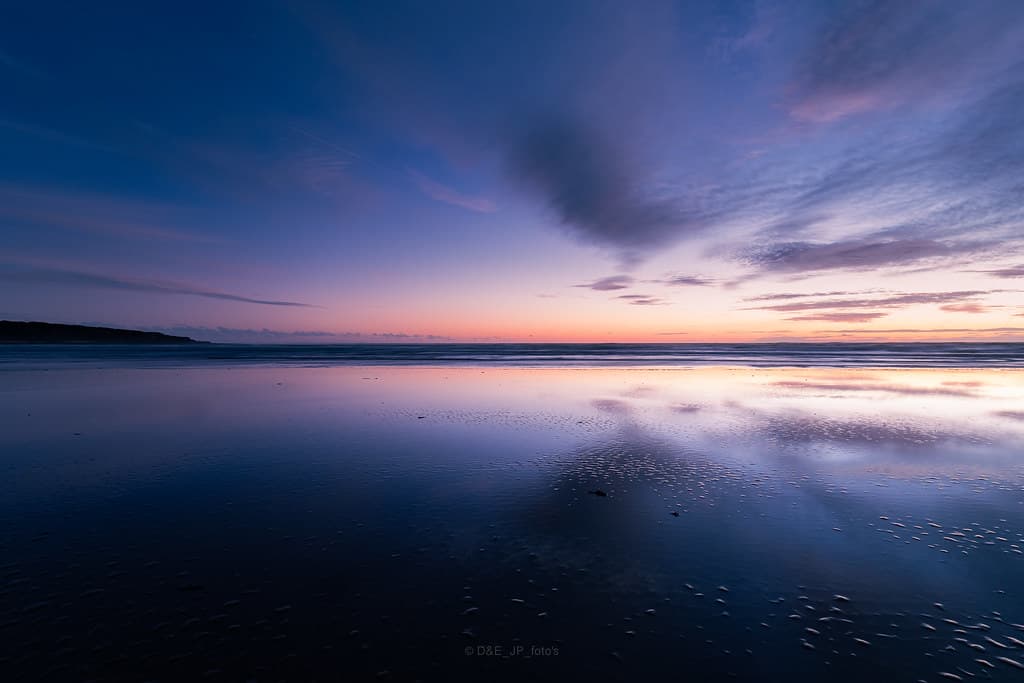
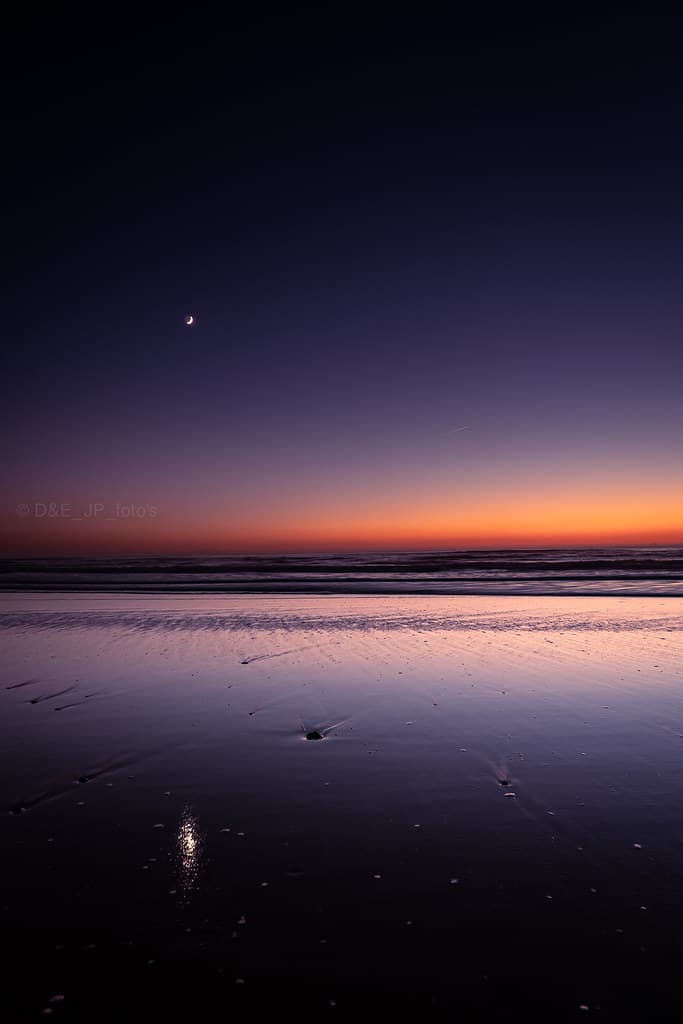
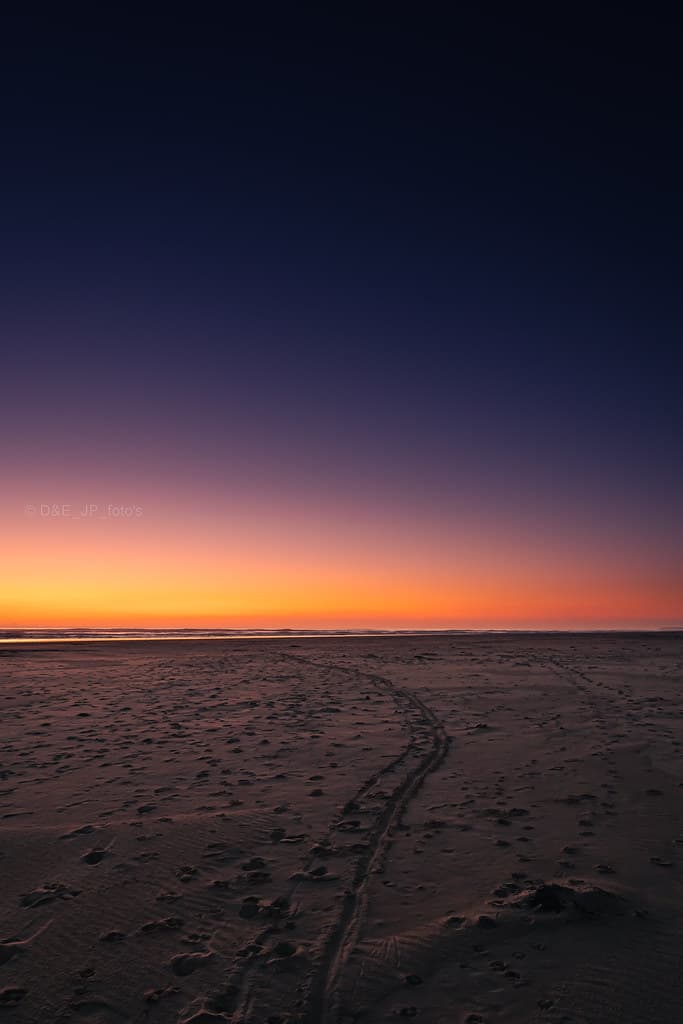
The beach occupies the narrow spit where the Payré River surrenders to the sea, giving you two entirely different water experiences separated by a hundred meters of sand. On the estuary side, the water moves with tidal currents rather than waves, creating a channel where stand-up paddleboarders glide past moored fishing boats. The opposite face takes the full force of Atlantic swells, waves building and crashing with rhythmic insistence. The tombolo itself becomes an island at high spring tides, the ocean briefly claiming the entire spit before retreating. You'll see tide markers showing where the water reached during the last big surge, often surprisingly high. Shorebirds work the wrack line at the estuary's edge—curlews probing with curved beaks, egrets standing motionless in the shallows. The lighthouse at Pointe du Payre watches over the convergence, white tower against blue sky, a navigation mark that's guided boats through these waters since 1902. Dunes rise behind the ocean-facing beach, their paths leading through thickets of sea buckthorn to overlooks where you can photograph the entire system: river mouth, barrier beach, ocean beyond. Late afternoon light turns the scene golden, the estuary's calm water reflecting clouds while the ocean side churns with whitecaps. You understand why this configuration—rare along the Vendée coast—draws landscape photographers and naturalists who value complexity over simplicity.
Places, rentals, tours and events within walking and driving distance of Plage du Veillon.
Photos
Plage du Veillon is generally safe for families, with lifeguard supervision during summer months (typically July-August). The estuary location creates unique conditions with calmer waters inside the river mouth and more typical Atlantic surf on the ocean-facing section. Currents can be complex where river meets sea, so swimming is safest in designated supervised zones. The beach is popular with families due to varied shallow areas. Children should be supervised near the estuary channel. Facilities including toilets and showers are available in season.
Visit between June and September for swimming and full amenities, though the beach's natural beauty shines year-round. July-August brings warmest water (18-20°C) and full services but also peak crowds. For nature lovers, May-June or September offer excellent birdwatching in the estuary with pleasant weather and fewer visitors. The estuary walk is spectacular at any season, particularly during spring migrations or autumn colors. Photographers will find golden hour lighting exceptional for capturing the distinctive landscape. Low tide reveals fascinating estuary formations and extends walking opportunities significantly.
Plage du Veillon is located at Talmont-Saint-Hilaire, approximately 25km southwest of Les Sables-d'Olonne. By car, follow signs to Le Veillon from the D949 or coastal roads, with parking available near the beach (fees in summer). The beach is accessed via the small village of Le Veillon. Cycling is popular along coastal paths. Limited bus services may operate in summer from nearby towns. The site is somewhat more remote than urban beaches, adding to its natural character. Nantes-Atlantique airport is roughly 110km northeast.
The small village of Le Veillon has a few seasonal beach cafés and restaurants, some with excellent seafood and views. Accommodation nearby includes campsites, holiday rentals, and gîtes, though options are more limited than major resorts. Talmont-Saint-Hilaire town, a few kilometers inland, offers additional restaurants and shops. For more extensive amenities, Les Sables-d'Olonne is about 25km northeast. Many visitors choose the area specifically for its quieter, nature-focused experience. Book summer accommodations well in advance, as the beach's reputation attracts devoted return visitors.
Plage du Veillon is Vendée's standout natural beach, distinguished by its unique estuary setting where the Payré River meets the Atlantic. This creates a remarkable dual landscape: sheltered estuary beach on one side and open ocean beach on the other. The surrounding dunes and marshlands form a protected natural area rich with birdlife, making it exceptional for nature lovers. The scenic beauty is highly Instagrammable, with dramatic tidal changes revealing sandbars and channels. Unlike developed resort beaches, Le Veillon maintains an unspoiled, wild character that feels authentically coastal and peaceful.